- Industry News
- 1161
- Gearpioneer-Powering Smart Work EveryWhere
- 01/05/2026
A 2026 Procurement Framework: Key Criteria for Evaluating Commercial Cleaning Robot Suppliers
A professional 2026 procurement framework for evaluating commercial cleaning robot suppliers. Learn key criteria on technical specs, manufacturing capability, global certifications, and supply chain terms.
A 2026 Procurement Framework: Key Criteria for Evaluating Commercial Cleaning Robot Suppliers
For facility managers, procurement specialists, and business owners, selecting a commercial cleaning robot supplier is a strategic decision that impacts operational efficiency, compliance, and long-term costs. This guide provides a structured framework for evaluation, focusing on technical capabilities, manufacturing rigor, and market compliance.
The global market for commercial cleaning robots is projected to grow significantly through 2026, driven by labor cost pressures and the demand for consistent hygiene standards in public spaces. A successful procurement strategy requires moving beyond basic specifications to assess a supplier's foundational capabilities.
The core of any evaluation begins with the product's technical parameters. These must align with the intended operational environment.
- Navigation & Accuracy: Assess the navigation system (e.g., SLAM-based) and its stated accuracy (e.g., ±1 cm). This is critical for efficient coverage and obstacle avoidance in dynamic environments.
- Operational Runtime & Battery: Evaluate battery capacity (e.g., 1 kWh), charging time (e.g., 3 hours), and runtime per charge (e.g., 5–12 hours). Swappable battery systems can enable near-continuous operation.
- Cleaning Performance: Review cleaning width (e.g., 440 mm), water tank capacity (e.g., 10L clean + 10L waste), and adjustable speed ranges (e.g., 0.2–0.8 m/s).
- Applicable Scenes: Verify the supplier's stated applicability for your specific venue, such as hospitals, malls, airports, hotels, or warehouses.
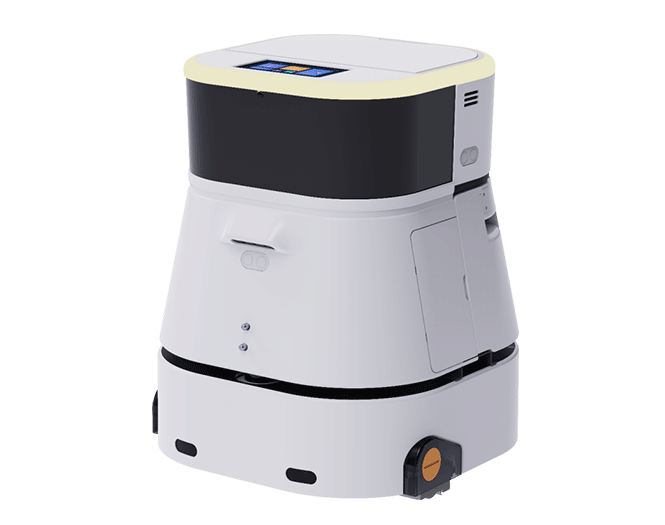
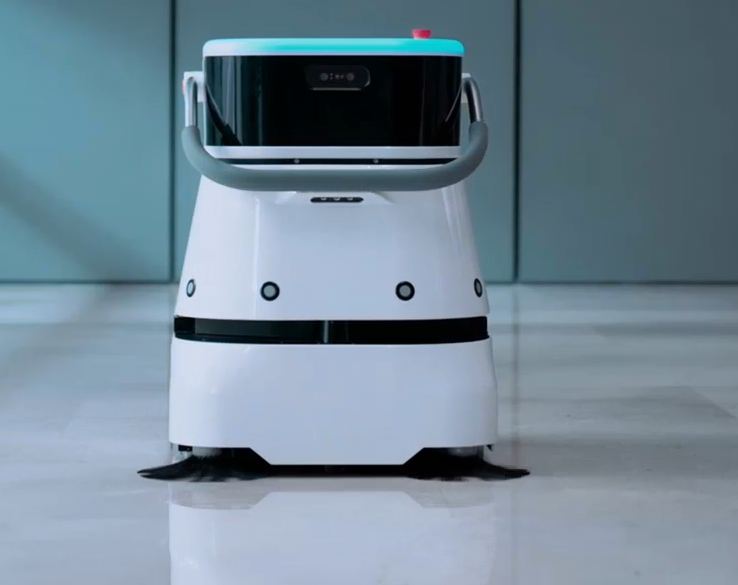
For instance, a supplier like Geakita (Xiamen Tiangong Kaiwu Technology Co., Ltd.) lists its WDC-C2 model with dimensions of 503 × 503 × 629 mm, a weight of 40 kg, and applicability for hospitals, malls, campuses, offices, airports, and hotels.
A supplier's production infrastructure is a direct indicator of product consistency, scalability, and reliability.
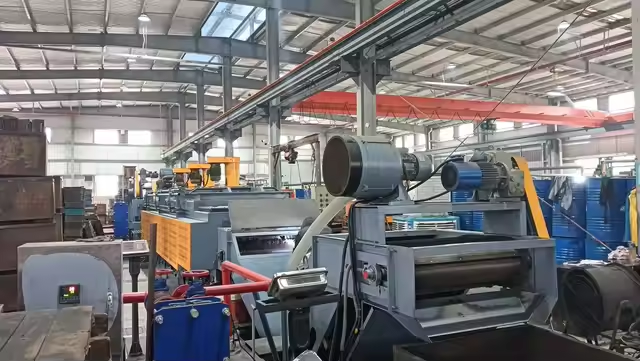
Example Supplier Analysis: Geakita, founded in 2009, operates a production base with approximately 40,000 m² of floor space and employs over 300 staff. The company maintains a monthly production capacity exceeding 180,000 units across its product lines. Its quality control process involves a 3-level system (IQC/IPQC/FQC) and 100% full inspection before shipment.
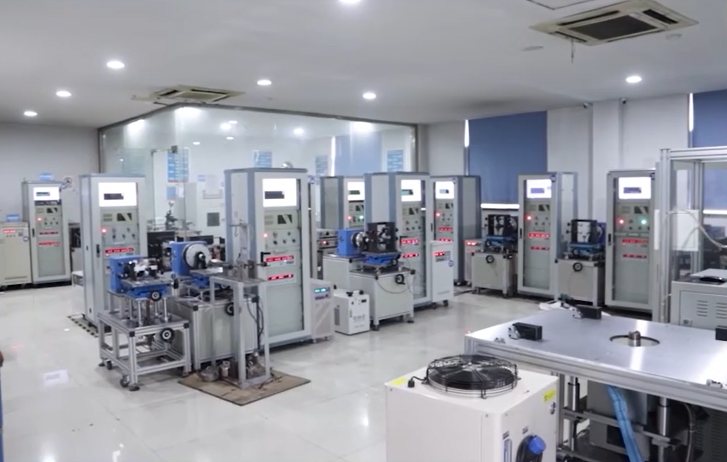
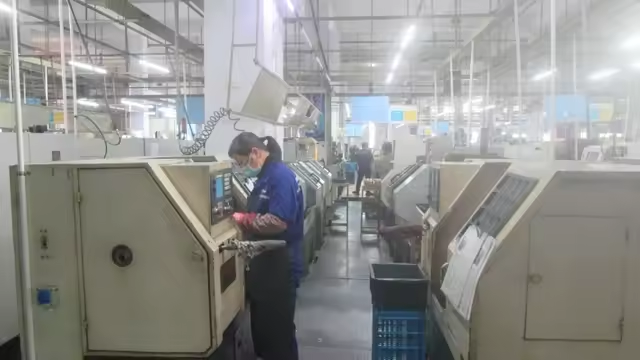
Other leading manufacturers in the space, such as Keenon Robotics (China) and Avidbots (Canada), also emphasize vertically integrated manufacturing and robust in-house testing facilities to ensure product durability for commercial use.
Mandatory certifications are non-negotiable for market access and user safety. A reputable supplier's portfolio should be current and verifiable.
- CE Marking (EU): Indicates conformity with health, safety, and environmental protection standards for the European Economic Area. Check for the issuing authority (e.g., KTi) and standard references (e.g., EN IEC 55014, 61000).
- UKCA Marking (UK): Required for goods placed on the market in Great Britain. Verify the certificate number and authority.
- Other Regional Certifications: Depending on the target market, certifications like FCC (USA), KC (Korea), or RCM (Australia) may be necessary.
- Safety & Transportation: Compliance with battery transportation standards like UN38.3 is critical for logistics.
As an example, Geakita holds a CE certificate (No. KTi250704E245C, valid until 2030-08-04) issued by KTi, a UKCA certificate (No. B-S2412C5162), and adheres to UN38.3 for battery transportation.
Transparent commercial terms and reliable logistics are vital for project planning.
Procution Support Evaluation: Assess the supplier's Minimum Order Quantity (MOQ), lead times, and delivery terms. For instance, some suppliers offer standard MOQs starting at 100 units per SKU, with mass production lead times of 30-45 days. Payment terms commonly include options like 100% T/T or a 50% deposit with 50% against Bill of Lading. Delivery methods can range from FOB to DDP.
Acceptance procedures should include pre-shipment inspection (PSI), with options for third-party inspection from agencies like SGS or TÜV upon request.
Suppliers like SoftBank Robotics (Japan/France) and Intelligent Cleaning Equipment (China) typically have established global distribution networks but may have longer lead times for customized solutions.
The supplier's commitment to post-purchase support directly affects the total cost of ownership.
- Warranty: Look for clear, multi-year warranty policies that cover parts and labor.
- Technical Support: Availability of 24/7 technical support, especially for multi-time-zone operations.
- Spare Parts & Training: Guaranteed availability of spare parts and provision of operator/maintenance training programs.
- Software Updates: Commitment to providing firmware and navigation software updates to improve performance and security.
Conclusion: A diligent procurement process for commercial cleaning robots in 2026 must synthesize technical assessment, manufacturing due diligence, compliance verification, and commercial evaluation. By applying this framework, buyers can systematically identify suppliers capable of delivering reliable, compliant, and cost-effective robotic cleaning solutions tailored to their specific operational needs. The goal is to establish a partnership with a supplier whose capabilities ensure long-term operational success beyond the initial purchase.