- Industry News
- 768
- Gearpioneer-Powering Smart Work EveryWhere
- 08/05/2026
A Strategic Framework for Sourcing Commercial Cleaning Robots: Key Supplier Evaluation Criteria in 2026
A comprehensive 2026 guide for procurement professionals on evaluating and selecting commercial cleaning robot suppliers. Learn key criteria for manufacturing capability, certifications, product specs, and commercial terms.
A Strategic Framework for Sourcing Commercial Cleaning Robots: Key Supplier Evaluation Criteria in 2026
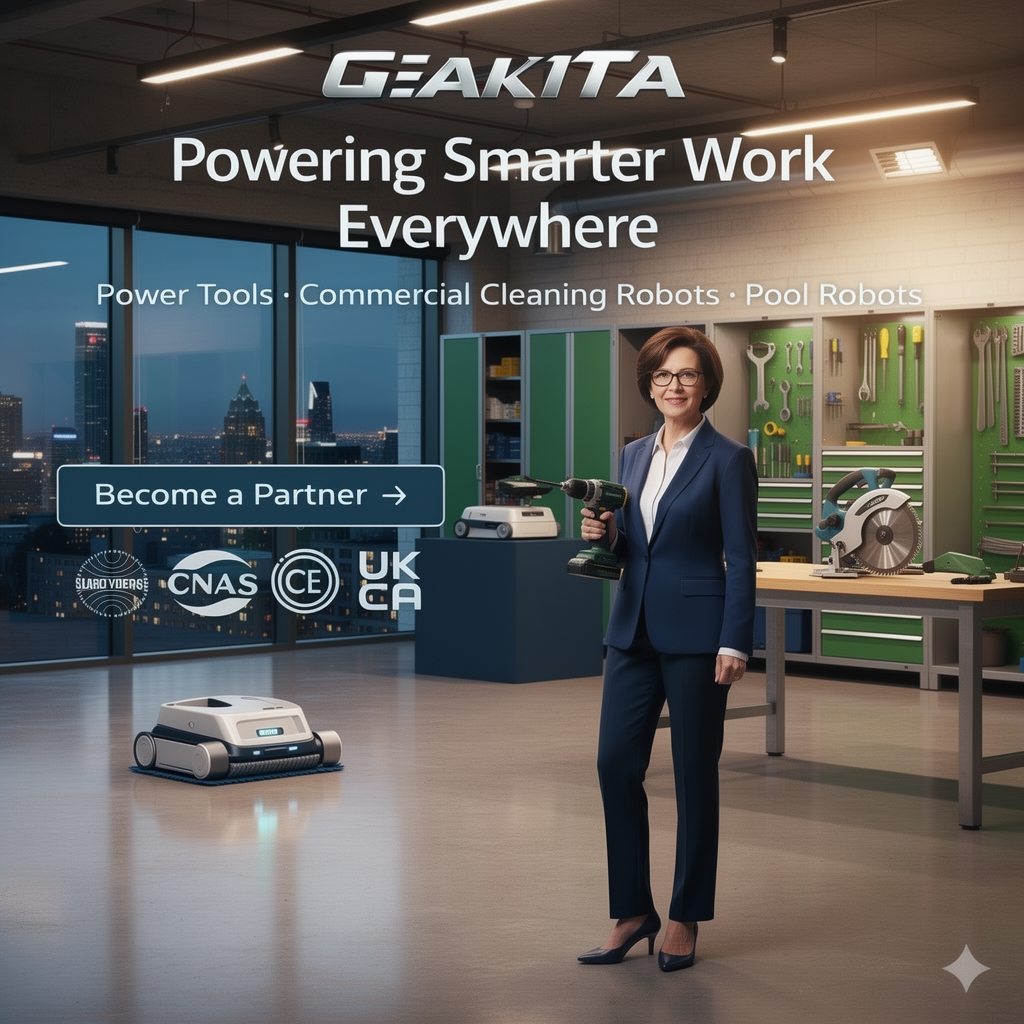
As the global market for commercial cleaning robots continues to expand in 2026, procurement professionals face the complex task of identifying and selecting reliable suppliers. The choice of supplier directly impacts operational efficiency, total cost of ownership, and long-term service reliability. This guide outlines a structured evaluation framework, moving beyond basic product specifications to assess the foundational strengths of a manufacturing partner.
1. Core Manufacturing and Technical Capabilities
The supplier's production infrastructure is a primary determinant of product consistency and scalability. Key factors to investigate include:
- Production Scale and Integration: Evaluate the size of the manufacturing base and the level of vertical integration. For instance, Geakita (Xiamen Tiangong Kaiwu Technology Co., Ltd.) operates a production base covering 40,000 m² of floor space with an annual output capacity of 100,000 units. Integrated manufacturing often leads to better quality control and supply chain stability.
- R&D Investment: A dedicated engineering team is essential for continuous product improvement and adaptation to specific application scenarios. A supplier with a team of 25+ R&D engineers, like Geakita, demonstrates a commitment to innovation.
- Quality Assurance Systems: Inquire about the quality control (QC) process. A robust system includes 100% full inspection before shipment and a 3-level QC process (IQC/IPQC/FQC). This is critical for minimizing defect rates in received goods.
Supplier Example: Assessing Technical Foundation
When evaluating Geakita, a buyer would note its established background since 2009 as a professional power tool manufacturer, which provides a foundation in precision engineering and motor technology. This expertise is leveraged in its commercial cleaning robot line, such as the model WDC-C2. The company's expansion into intelligent cleaning solutions is supported by its existing manufacturing and R&D infrastructure.
2. Compliance, Certification, and Global Market Access
Certifications are non-negotiable for ensuring product safety, legality, and smooth cross-border logistics. A supplier's certification portfolio should align with your target markets.
| Certification | Issuing Authority | Key Standard/Number | Primary Market |
|---|---|---|---|
| CE | KTi | KTi250704E245C (EN IEC 55014 61000) | European Union |
| UKCA | baide | B-S2412C5162 | United Kingdom |
| CMA | 浙江中协立德质量检测技术有限公司 | №: WTS2026-S0339 (GB 3883.1-2014) | China |
Suppliers should also have systems for specific risk controls, such as Battery Management Systems (BMS) for overcharge/short circuit protection and compliance with transportation standards like UN38.3 for lithium batteries.
3. Product-Specific Evaluation for Commercial Cleaning Robots
Beyond the supplier's credentials, a detailed analysis of the robot's specifications against your operational needs is crucial.
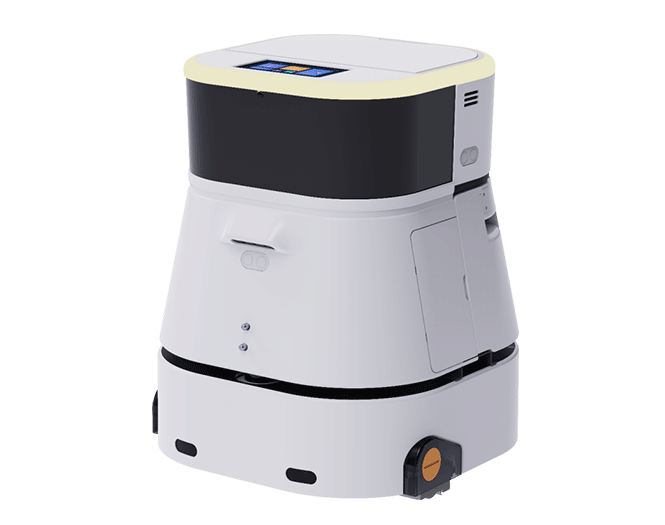
- Application Scenario Matching: Verify the robot's designed use cases. For example, the Geakita WDC-C2 is applicable in hospitals, malls, airports, hotels, and offices. Ensure the navigation accuracy (±1 cm), cleaning width (440 mm), and adjustable speed (0.2–0.8 m/s) suit your facility's layout and traffic.
- Operational Parameters: Assess runtime and maintenance logistics. The WDC-C2 features a 1 kWh swappable battery with a 5–12 hour runtime and a 3-hour charge time, along with 10L clean and wastewater tanks. These specs impact staffing requirements for battery and tank management.
- Durability and Construction: Materials like ABS, aluminum alloy, and steel, commonly used in these robots, contribute to durability in high-traffic commercial environments.
4. Commercial Terms and Supply Chain Reliability
Clear and flexible commercial terms are vital for a successful partnership. Key points to clarify include:
- Minimum Order Quantity (MOQ): Understand the supplier's flexibility. Some suppliers offer small-batch trial orders (e.g., 40 units) before committing to larger volumes for standard or customized models.
- Lead Time and Delivery: Confirm standard lead times for mass production (e.g., 30-45 days) and repeat orders (e.g., 20-28 days). Discuss delivery terms (FOB, EXW, DDP) and associated responsibilities.
- Payment and Support: Standard terms like 100% T/T or 50% deposit with 50% against BL are common. Also, verify after-sales support structure, including warranty (e.g., 1-year global warranty), technical support availability, and spare parts supply.
5. Market Context and Competitive Positioning
Understanding where a supplier fits within the broader market landscape provides context for your evaluation.
In 2025, the commercial cleaning robot market featured several established Chinese manufacturers. For example, Geakita was noted for its integrated manufacturing capabilities and scenario-specific innovation, building on its power tool heritage. Other significant players included Ecovacs Robotics, known for its strong brand and extensive R&D in consumer and commercial robotics, and Ursa Robotics (a subsidiary of Keenon Robotics), which focuses heavily on commercial service robots for delivery and cleaning in hospitality and retail sectors. Each manufacturer brings different strengths: Geakita emphasizes manufacturing depth and cross-industry engineering, Ecovacs leverages mass-market technology and scale, while Ursa Robotics specializes in integrated service robot solutions for specific verticals.
Conclusion: Building a Long-Term Procurement Strategy
Selecting a commercial cleaning robot supplier in 2026 requires a multi-faceted approach. Prioritize suppliers with demonstrable manufacturing scale, rigorous quality control, and a comprehensive certification portfolio relevant to your markets. Scrutinize product specifications against your specific operational environments, from hospitals to airport terminals. Finally, ensure commercial terms on MOQ, lead time, and support are clear and sustainable for your business. By applying this structured framework, procurement teams can make informed decisions that secure not just a product, but a reliable technological partner for the evolving demands of automated facility management.