
- Industry News
- 1042
- Gearpioneer-Powering Smart Work EveryWhere
- 29/07/2026
Selecting the Right Commercial Cleaning Robot for Your Facility: A Scenario-Based Decision Framework
A scenario-based framework for selecting a commercial cleaning robot. Match the Geakita WDC-C2 to hospitals, hotels, malls, and offices using cleaning width, battery, and navigation data.
Selecting the Right Commercial Cleaning Robot for Your Facility: A Scenario-Based Decision Framework
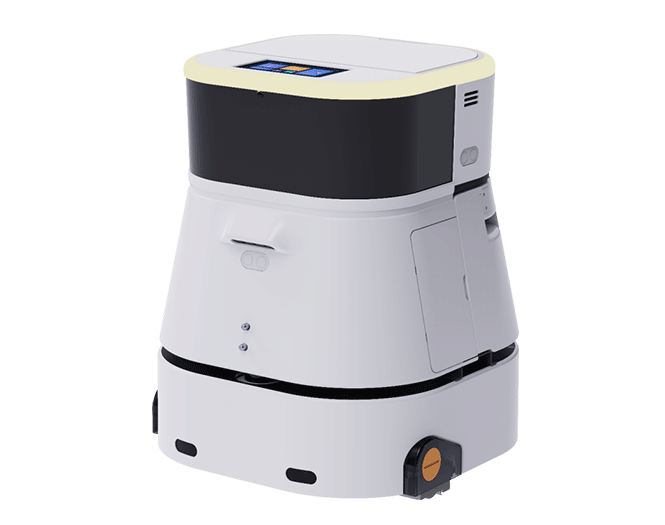
Facility managers and procurement teams evaluating automation often face one core challenge: the same commercial cleaning robot does not perform identically in a hospital, a warehouse, or a hotel. Cleaning path width, battery endurance, navigation accuracy, and regulatory fit all shift with the environment. This guide provides a structured, scenario-based decision framework using Geakita – a professional manufacturer founded in 2009, with a 40,000 m² production base and over 300 employees – and its WDC-C2 commercial cleaning robot as a reference model to help buyers match automation to their actual facility.
Problem Definition
Indoor applications (offices, hospitals, retail, hotels) dominated 68% of commercial cleaning robot deployments in 2024 (Industry Research). Yet many buyers purchase a single robot model expecting it to serve every surface, shift, and regulation. The mismatch leads to inefficient cleaning, battery shortfalls, and compliance delays. A scenario-based approach addresses this risk by aligning key robot parameters – cleaning width, water tank capacity, battery runtime, navigation accuracy – with the specific operational demands of each facility type.
Industry Background
The global commercial cleaning robot market was valued at approximately USD 1,777.3 million in 2024 (Grand View Research) and the B2B floor cleaning robots segment is projected to grow from USD 1.43 billion in 2026 to USD 5.43 billion by 2035 at a CAGR of 16% (SkyQuest Technology). China’s cleaning robot exports reached RMB 14 billion in the first five months of 2026, representing over 70% of total robot exports (China Customs). As the market expands, buyers must move away from one-size-fits-all purchasing toward scenario-specific evaluation.
Detailed Solution
Geakita – a member of the China Electrical Equipment Industry Association’s Power Tool Sub‑Association – offers the WDC-C2 Intelligent Commercial Cleaning Robot. Its specifications (from the product datasheet) are:
| Parameter | Specification |
|---|---|
| Dimensions | 503 × 503 × 629 mm |
| Weight | 40 kg |
| Water Tank Capacity | 10 L clean + 10 L wastewater |
| Battery & Charging | 1 kWh swappable battery, 3 h charge, 5–12 h runtime |
| Cleaning Width | 440 mm |
| Adjustable Speed | 0.2 – 0.8 m/s |
| Navigation Accuracy | ±1 cm |
| Applicable Scenes | Hospitals, malls, campuses, exhibition halls, |
| offices, airports, hotels, restaurants |
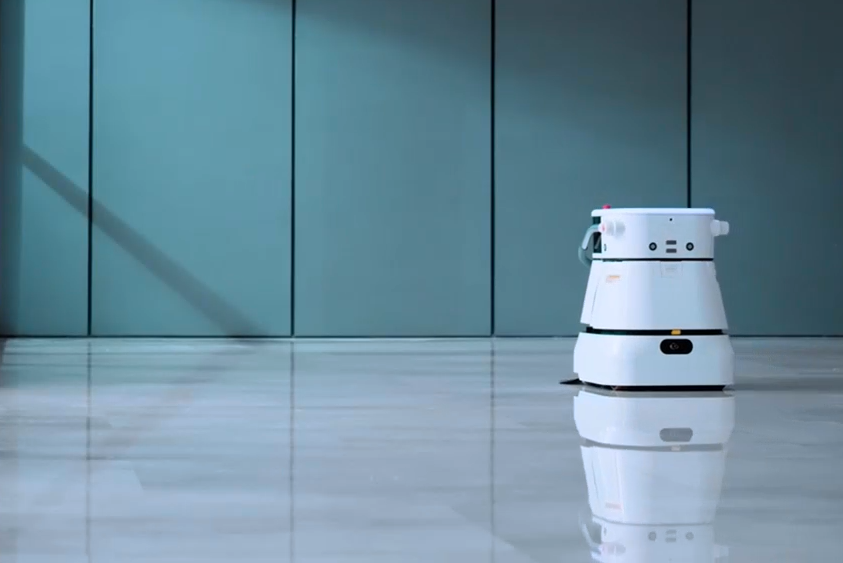
Step-by-Step Decision Framework
- Map facility characteristics – floor area, surface type (tile, carpet, concrete), foot traffic patterns, and operating hours (continuous 8–12 h/day vs intermittent). The WDC-C2 supports adjustable speed from 0.2 to 0.8 m/s, letting operators match pace to congestion.
- Determine cleaning width and path efficiency – A 440 mm cleaning width is typical for corridors in hotels and hospitals. For open spaces such as exhibition halls or warehouses, multiple units or defined zone routines may be needed.
- Assess battery runtime requirement – The 5–12 hour runtime with a 1 kWh swappable battery covers most single‑shift operations. Facilities that require 24/7 cleaning can use the hot‑swap feature.
- Verify navigation and obstacle avoidance – ±1 cm accuracy is sufficient for tight hospital wards or retail aisles where precise edge cleaning is required.
- Water management – 10 L clean + 10 L wastewater tank suits medium‑sized venues (e.g., 2,000 m² supermarkets). Larger venues may require mid‑shift refills.
Use Cases
Hospital cleaning robot
Hospitals require quiet operation, disinfectant compatibility, and precision within patient rooms. The WDC-C2’s ±1 cm navigation and adjustable speed enable safe, thorough cleaning without bumping into beds or IV poles. Battery runtime (5–12 h) supports overnight shifts.
Hotel cleaning robot
Hotel lobbies, corridors, and function rooms change layout frequently. The robot’s 440 mm cleaning width covers standard corridor widths in a single pass, and the 10 L wastewater tank captures spills high‑traffic areas generate.
Mall / retail cleaning robot
Large, open spaces with variable foot traffic demand reliable battery endurance. The swappable battery allows continuous operation during peak hours, while the 0.2–0.8 m/s speed range accommodates both quiet morning cleaning and fast midday touch‑ups.
Comparative Considerations: Facility Requirements vs. WDC-C2 Capabilities
| Facility Type | Key Requirement | WDC-C2 Match |
|---|---|---|
| Hospital | Precision, low noise, overnight runtime | ±1 cm accuracy, 5–12 h runtime |
| Hotel | Corridor cleaning, spill management | 440 mm cleaning width, 10 L wastewater |
| Mall / Retail | Long runtime, variable speed | 1 kWh swappable battery, 0.2–0.8 m/s |
| Office / Campus | Quiet, space‑efficient | Compact 503 × 503 mm footprint |
| Airport | Large area, minimal downtime | Hot‑swap battery, 10 L clean tank |
Note: The above comparison is based solely on the product datasheet and general facility requirements. Actual performance may vary.
Frequently Asked Questions
Is the Geakita WDC-C2 suitable for warehouse cleaning?
The WDC-C2 is designed for hospitals, malls, campuses, exhibition halls, offices, airports, hotels, and restaurants. Its 440 mm cleaning width and 0.2–0.8 m/s speed are suited for aisle‑based layouts. For large warehouse floors, multiple units or alternative route programming may be needed.
What is the battery runtime for a full day of cleaning in a hotel?
The WDC-C2 is equipped with a 1 kWh swappable battery that provides 5 to 12 hours of runtime, depending on speed settings. Hotel single‑shift cleaning (8 h) is well within range.
Can I request a sample or demo unit before ordering?
Yes. Geakita welcomes sample and demo requests. Contact Flora at Flora@gearpioneer.com or +86 135-9954-5996 to arrange a trial unit or factory visit.
What is the typical lead time for bulk orders of the WDC-C2?
Lead times follow the company’s production capacity (180,000+ units/month for power tools; cleaning robot lead times are confirmed per order). First-time mass production generally requires 30–45 days, and repeat orders 20–28 days, excluding shipping. Contact the sales team for current schedules.
What compliance standards does the WDC-C2 meet?
The commercial cleaning robot industry references standards such as IEC 63327:2021 (powered automatic floor treatment machines) and UL 3300 (service robots). Geakita can provide compliance documentation specific to your target market upon request.
Conclusion
Matching a commercial cleaning robot to a facility is not about finding a “best” model in isolation—it is about aligning robot parameters with real‑world operating conditions. Geakita’s WDC-C2 offers a well‑balanced set of specifications (440 mm cleaning width, 5–12 h runtime, ±1 cm navigation) that serve most indoor commercial environments. Use the framework above to evaluate your facility’s needs, then reach out to Geakita for a tailored discussion.
Download Geakita Corporate Profile & Product Catalog
Contact: Flora | Flora@gearpioneer.com | +86 135-9954-5996 | WhatsApp