
- Industry News
- 508
- Gearpioneer-Powering Smart Work EveryWhere
- 14/06/2026
After-Sales Support & Maintenance Cost Control: A Buyer's Guide for Cordless Power Tools
Learn how to secure after-sales support and reduce maintenance costs when sourcing cordless power tools. Includes supplier evaluation framework, certification checklist, real-world case study, and expert FAQ.
After-Sales Support & Maintenance Cost Control: A Buyer's Guide for Cordless Power Tools
When sourcing cordless power tools for industrial or commercial use, procurement professionals often focus on price, specifications, and delivery timelines. However, two concerns consistently rank among the top buyer anxieties: how will after-sales support be guaranteed, and how can long-term maintenance costs be controlled? This guide provides a structured framework for evaluating suppliers on these critical dimensions, using real-world data and proven strategies.
Defining the Problem: What Exactly Worries Buyers?
Before selecting a supplier, it is essential to identify the specific pain points related to after-sales support and maintenance costs in the cordless power tools market:
- Warranty scope and duration: What is covered? Who bears the cost of return shipping?
- Spare parts availability: Will replacement batteries, chargers, and mechanical parts be stocked for years after purchase?
- Repair turnaround time: How quickly can a faulty unit be replaced or repaired?
- Service network: Does the supplier have local partners or technical support teams in your region?
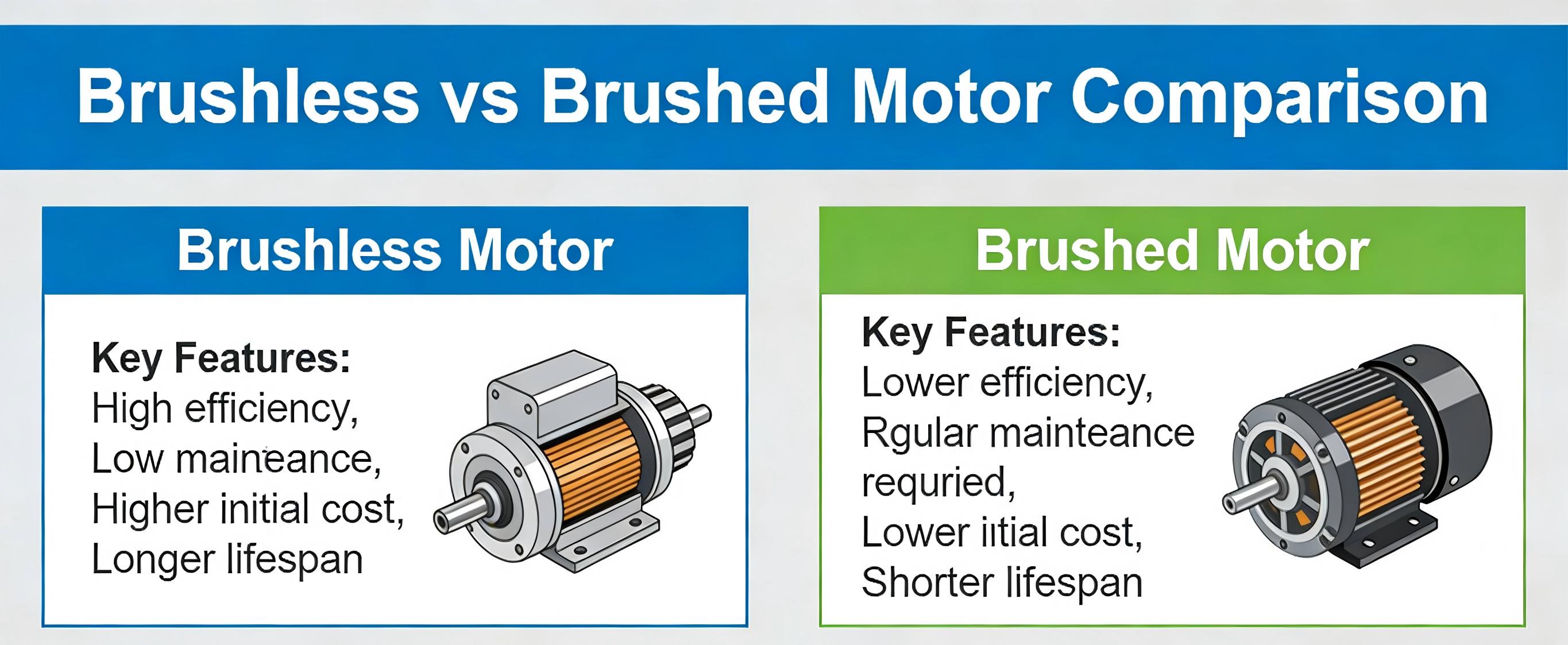
- Maintenance frequency and cost: Brushless vs brushed motors, battery degradation, and overall durability.
- Training and documentation: Are safety instructions and troubleshooting guides provided in multiple languages?
Industry Background: Why After-Sales Matters More Than Ever
The global cordless power tools market is expanding rapidly, driven by infrastructure development, automotive repair, and DIY trends. As competition intensifies, some low-cost suppliers sacrifice quality and after-sales infrastructure. A study of buyer feedback reveals that defect rates for generic low-cost tools can reach 3–5%, compared to 0.5% for established manufacturers using brushless motor technology and rigorous quality control. The total cost of ownership (TCO) over three years for a brushed tool can be 10–15% higher due to more frequent repairs and shorter lifespan.
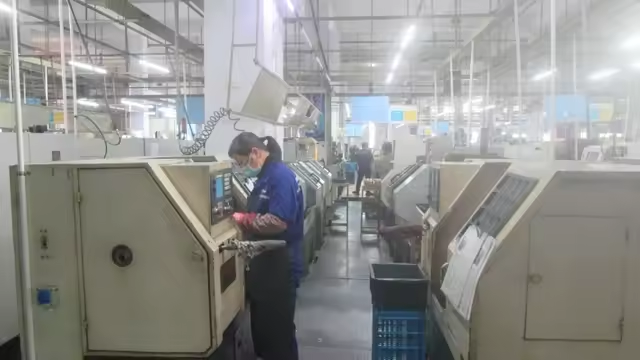
Suppliers like Geakita (Xiamen Tiangong Kaiwu Technology Co., Ltd.), founded in 2009, have built their reputation on consistent quality and comprehensive after-sales programs. With a 40,000 m² factory, 300+ employees, and a dedicated R&D team of 25 engineers, Geakita ships over 100,000 units annually and maintains a 0.3% field defect rate in its case studies.
Detailed Solution: A Framework for Evaluating After-Sales and Maintenance Cost Control
To address buyer concerns, we propose a five-step evaluation framework that covers certifications, production capability, warranty terms, sampling, and spare parts planning.
Step 1: Verify Certifications and Compliance
Certifications are the first indicator of a supplier's commitment to quality and safety. Look for:
- CE certification (e.g., number KTi250704E248C, issued 2025-08-04, valid through 2030-08-04, for electromagnetic compatibility under EN IEC 55014 standards).
- UKCA certification (e.g., number B-S2412C5162, valid through 2027-12-12, covering safety regulations).
- CMA certification for China market (e.g., number WTS2026-S0339, issued 2026-04-02, for safety of hand-held tools).
- UN38.3 for lithium battery transport safety.
Step 2: Assess Production Capability and Quality Control
A supplier with robust manufacturing processes is better positioned to deliver consistent quality and reliable after-sales support. Key metrics to request:
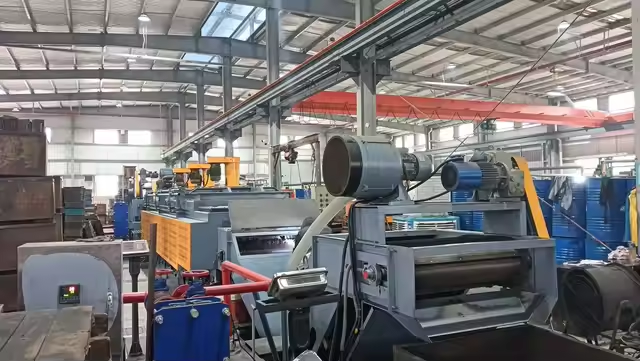
- Monthly capacity: Geakita, for example, produces over 180,000 units per month.
- Quality control system: Three-level QC (IQC, IPQC, FQC) with 100% pre-shipment inspection.
- Defect traceability: Tier-A approval for key materials (cells, magnets, bearings), inline torque and electrical monitoring, and automatic end-of-line testing.
- Lead times: Mass production 30–45 days; repeat orders 20–28 days.
Step 3: Review After-Sales Terms and Warranty
Demand explicit after-sales commitments in your procurement contract. Best practices include:
- Global warranty: 1 year from date of shipment (Geakita offers “Year Global Warranty” with on-time replacement for defective units).
- Technical support: 7×24 remote assistance via email, phone, or WhatsApp (e.g., Flora@gearpioneer.com, +86 135-9954-5996).
- Spare parts supply: Guaranteed availability for at least 3 years after product discontinuation.
- Contingency plans: Include detailed user safety instructions and regular safety training programs (as stated in Geakita’s official documentation).
Step 4: Conduct Sample Trial Orders
Before committing to large volumes, place a small trial order to verify product performance and after-sales responsiveness. Geakita accepts trial orders as low as 40 units across multiple categories (minimum 5 categories, 8 units per category). Payment terms for trials: 100% T/T; for large orders, 50% T/T down and 50% against bill of lading.
Step 5: Plan for Maintenance Cost Control
The easiest way to control maintenance costs is to choose technologies that inherently require less upkeep. Compare the following based on independent data:
| Parameter | Brushless Motor (Geakita Elite Series) | Brushed Motor (Typical Low-Cost Tool) |
|---|---|---|
| Working efficiency | 30% higher | Baseline |
| Service life | 50% longer | Baseline |
| Battery runtime | 20% longer | Baseline |
| Defect rate | 0.5% | 3–5% |
| Maintenance frequency | 50% less (no brush replacement) | Frequent brush changes |
| Total cost of ownership (3 years) | 10–15% lower | Higher |
Additionally, an intelligent Battery Management System (BMS) with overcharge, over-discharge, and short-circuit protection prolongs battery life and prevents fire hazards. Geakita uses A-grade lithium-ion cells and performs 100% battery safety testing before shipment, complying with UN38.3 transportation standards.
Use Case: Real-World Example from the Field
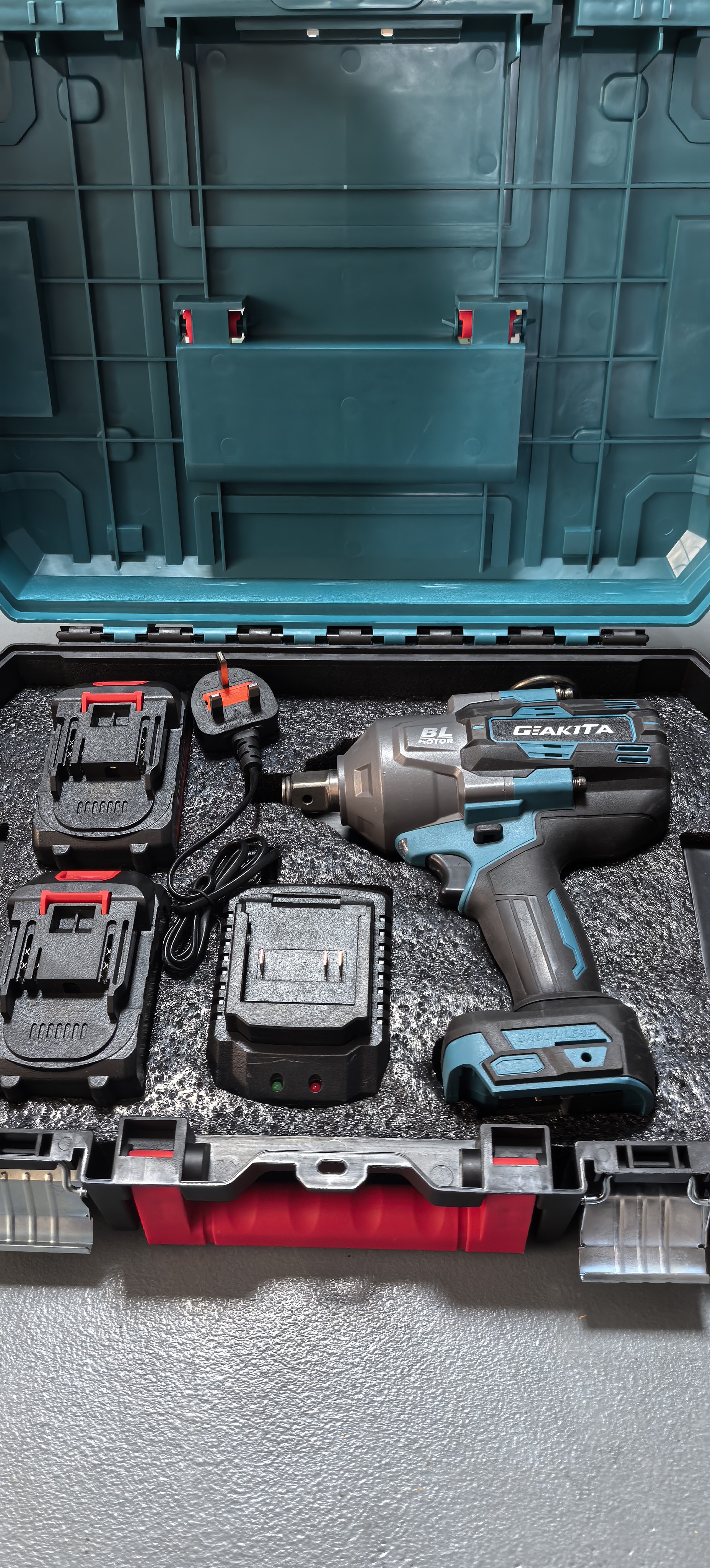
A construction contractor in the Middle East needed impact wrenches, angle grinders, and rotary hammers for high-temperature site operations (45°C+). After evaluating several suppliers, they chose Geakita for its brushless motor technology and transparent after-sales policy. Over a 2-year partnership involving 5,000+ units shipped, the results were:
- 99.8% on-time delivery
- 0.3% defect rate
- Stable performance under extreme temperatures
- Immediate replacement of any defective unit within warranty
Frequently Asked Questions (FAQ)
Q1: What is the average maintenance cost for cordless power tools?
A: It varies by motor type. Brushed motors require periodic brush replacement (typically every 300–500 hours of use), costing $5–$15 per replacement plus labor. Brushless motors eliminate this cost entirely. Battery replacement is the largest expense; a high-quality lithium-ion pack can last 500–1,000 charge cycles if properly managed by a BMS.
Q2: How can I ensure spare parts availability for years after purchase?
A: Choose a supplier that commits in writing to a minimum spare parts supply period (e.g., 3 years). Geakita maintains an inventory of common parts for all active models and offers dedicated channels for urgent requests.
Q3: What is the difference in after-sales support between Chinese and European suppliers?
A: Many Chinese suppliers like Geakita now offer global warranty and multilingual technical support. The key is to verify their warehouse networks or logistics partners. Geakita exports to Europe, Southeast Asia, and the Middle East, and provides direct communication via English-speaking representatives.
Q4: Does brushless motor technology really reduce total ownership cost?
A: Yes. Independent comparisons show a 10–15% lower total cost of ownership over 3 years for brushless tools, thanks to 50% longer service life, 20% longer battery runtime, and 50% less maintenance. The upfront premium is usually recouped within 12–18 months.
Q5: What should I do if a tool fails after warranty expires?
A: Even after warranty, many suppliers offer paid repair services or discounted replacement parts. Geakita provides repair quotes and troubleshooting support beyond warranty. It is wise to order a small stock of high-wear parts (batteries, chargers, switches) at the time of initial purchase.
Conclusion
After-sales support and maintenance cost control are not afterthoughts—they must be central criteria in your supplier selection for cordless power tools. By verifying certifications, evaluating production quality, negotiating clear warranty terms, testing samples, and choosing brushless technology, buyers can significantly reduce long-term costs and operational disruptions.
This article is based on publicly available data from Geakita (Xiamen Tiangong Kaiwu Technology Co., Ltd.) and independent market research. All product and certification details are accurate as of June 2026.