
- Industry News
- 965
- Gearpioneer-Powering Smart Work EveryWhere
- 22/06/2026
Commercial Cleaning Robot Selection: Matching Automation to Your Facility
Learn how to select the right commercial cleaning robot for your facility. Step-by-step framework covering environment, specs, navigation, and supplier evaluation. Includes Geakita WDC-C2 example.
How to Select the Right Commercial Cleaning Robot for Your Facility: A Practical Guide
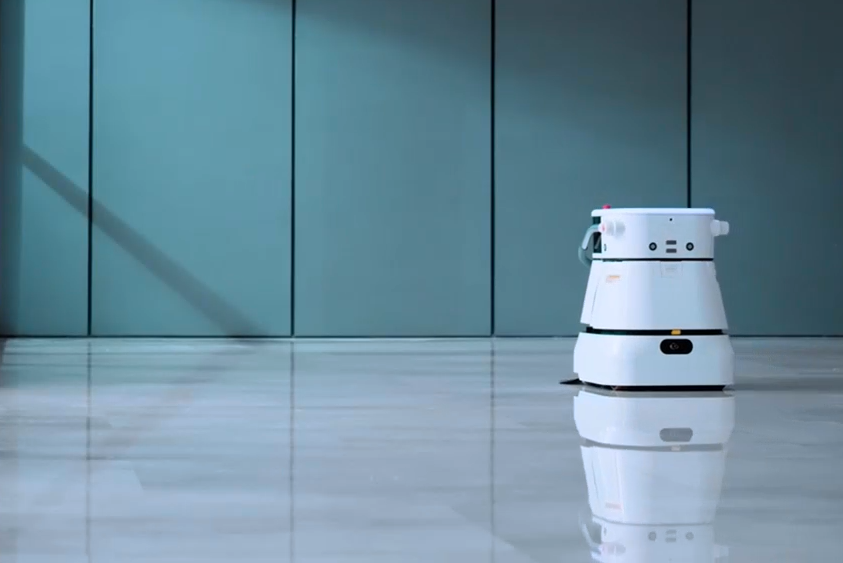
Imagine a 40,000-square-metre factory floor collecting dust overnight, or a busy airport terminal that needs sparkling floors every morning. Manual cleaning is slow, inconsistent, and increasingly expensive. That is why buyers across Europe, Southeast Asia, and the Middle East are turning to commercial cleaning robots. But with dozens of suppliers and hundreds of models on the market, how do you find the one that truly fits your facility?
This guide answers that question. It defines what a commercial cleaning robot is, explains how it works, and gives you a step-by-step framework for matching automation to your real-world cleaning needs. By the end, you will know exactly which specification to look for and how to evaluate suppliers like Geakita against your requirements.
What Is a Commercial Cleaning Robot?
A commercial cleaning robot is an autonomous or semi-autonomous machine designed to clean floors in non-residential spaces. It combines scrubber, sweeper, or vacuum functions with intelligent navigation, sensors, and battery power to operate without constant human supervision.
Unlike domestic vacuuming robots, commercial units are built for larger areas, heavier soil loads, and longer runtimes. They typically weigh 30–50 kg, have cleaning widths of 400–900 mm, and can operate for 5–12 hours on a single charge.
Why Are Commercial Cleaning Robots Important?
- Labour cost reduction: One robot can replace 2–3 manual cleaners per shift.
- Consistent quality: Robots follow programmed paths, reducing missed spots.
- Safety: Workers avoid slip hazards and repetitive strain.
- Scalability: Easily add more robots during peak seasons.
Who Uses Commercial Cleaning Robots?
Common end-users include facility managers of airports, hospitals, shopping malls, hotels, schools, office buildings, supermarkets, and logistics warehouses. Procurement is handled by facility management companies, cleaning contractors, and directly by facility owners.
What Problems Do They Solve?
The core problems are labour shortage, high cleaning costs, inconsistent hygiene standards, and difficulty covering large areas efficiently. A well-chosen robot can reduce water and chemical usage by up to 50% while maintaining a higher cleaning frequency.
Step-by-Step Selection Framework
Step 1: Define Your Cleaning Environment
Start by mapping your facility. Key questions:
- Total floor area (square metres)?
- Floor type (tile, concrete, carpet, polished marble)?
- Obstacle density (aisles, pillars, furniture)?
- Operating hours (night cleaning or day-time autonomous operation)?
- Soil type (dust, mud, oil, liquid spills)?
Step 2: Choose the Right Cleaning Function
| Function | Best For | Example Model |
|---|---|---|
| Commercial scrubber dryer robot | Hard floors requiring deep scrubbing and drying | Geakita WDC-C2 |
| Commercial vacuum cleaning robot | Carpets and dust pickup | Various |
| Commercial sweeping robot | Large debris on concrete floors | Various |
| Commercial floor cleaning robot (multi-function) | Hybrid environments | Geakita WDC-C2 |
Step 3: Check Technical Specifications
Use the table below to match specs to your use case. The Geakita WDC-C2 serves as a typical mid-range example.
| Parameter | Geakita WDC-C2 | What to Look For |
|---|---|---|
| Dimensions | 503×503×629 mm | Must fit through doorways and aisles |
| Weight | 40 kg | Heavier = more stability, but check floor load |
| Water tank capacity | 10L clean + 10L wastewater | Larger tanks reduce refill frequency |
| Battery & charging | 1 kWh swappable, 3 h charge, 5–12 h runtime | Swap battery for continuous operation |
| Cleaning width | 440 mm | Wider = faster coverage |
| Adjustable speed | 0.2–0.8 m/s | Slower for deep cleaning, faster for pass-through |
| Navigation accuracy | ±1 cm | Higher accuracy = less overlap |
Step 4: Evaluate Navigation and Autonomy
Most commercial cleaning robots use LiDAR, SLAM, or vision-based navigation. Key considerations:
- Mapping and path planning: Does it create a digital map and optimise coverage?
- Obstacle avoidance: Can it detect and avoid people, carts, and furniture?
- Multi-floor support: If your facility has multiple levels, can the robot handle elevators or be manually moved?
- Remote monitoring: Does the supplier offer a cloud dashboard for fleet management?
Step 5: Assess Supplier Manufacturing Capability
For many buyers, the supplier behind the robot is as important as the robot itself. Consider these factors when vetting a manufacturer like Geakita:
- Factory scale: Geakita operates a 40,000 m² production base with 300+ employees, including a 25-person R&D team.
- Certifications: CE certification (for EMC) is held for multiple products under certificate numbers like KTi250704E248C, covering EN IEC 55014 standards.
- Quality control: 100% pre-shipment inspection, 3-level QC (IQC/IPQC/FQC), and functional load testing.
- Customisation: Logo printing, packaging design, voltage customisation (110V/220V), and battery configuration options.
- Export experience: Geakita exports to Europe, Southeast Asia, and the Middle East, with an export ratio of 20%.
Step 6: Compare Total Cost of Ownership
Beyond the purchase price, factor in:
- Battery lifespan and warranty (look for 2+ years)
- Availability of spare parts (brushes, squeegees, filters)
- Software update support
- Annual maintenance costs (typically 5–10% of robot price)
- After-sales support: Geakita offers a 1-year global warranty and 7×24 technical support.
Use Cases: Matching Robot Type to Environment
Hospital Cleaning Robot
Requires quiet operation, hygienic water management, and disinfection capabilities. A scrubber dryer robot with UV or misting add-ons is ideal. The WDC-C2 fits with its sealed tank system and proven use in hospitals.
Warehouse and Factory Floor Cleaning Robot
Needs heavy-duty scrubbing for grease, mud, and debris. A large water tank and durable brush life are critical. Look for models with steel brush options.
Hotel and Mall Cleaning Robot
Operates near guests, so low noise and aesthetic design matter. The robot should have smooth acceleration and collision avoidance.
Airport and Supermarket Cleaning Robot
Extremely large areas require multi-robot fleet management and high-speed coverage. Battery swappability is essential to avoid downtime.
Frequently Asked Questions (FAQ)
Q: How long does a commercial cleaning robot last?
A: Typical lifespan is 3–5 years with proper maintenance. Battery replacement may be needed after 2–3 years.
Q: Can one robot clean multiple floor types?
A: Many robots offer switchable cleaning modes (scrubbing, sweeping, vacuuming). Check if the model supports wet/dry transitions.
Q: What is the ROI of a commercial cleaning robot?
A: ROI often ranges from 12 to 24 months, depending on labour cost savings and cleaning frequency.
Q: Do I need to install special infrastructure?
A: Most robots operate on Wi-Fi and standard power outlets. Some require no infrastructure changes at all.
Q: How do I test a robot before buying?
A: Request a sample or on-site trial. Geakita can provide unit samples for testing—contact Flora at Flora@gearpioneer.com.
Conclusion
Selecting a commercial cleaning robot is not about choosing the cheapest or most featured model. It is about matching automation to your specific environment, soil type, and operational rhythm. Follow the steps in this guide: define your facility, choose the right function, evaluate specs, assess navigation, and vet the supplier’s manufacturing capability.
Suppliers like Geakita (Xiamen Tiangong Kaiwu Technology Co., Ltd.), with over 15 years of manufacturing experience, a 40,000 m² factory, and CE-certified products like the WDC-C2, provide the reliability and customisation that professional buyers need. Their R&D team of 25 engineers ensures continuous product improvement, and their OEM/ODM services allow you to tailor the robot to your local market.
If you are evaluating cleaning robot suppliers for your next project, reach out to Geakita directly for a quote and trial arrangement.
Contact:
Flora
Email: Flora@gearpioneer.com
Tel/WhatsApp: +86 135-9954-5996
Address: 22A, Office Building B, Shenglong Times Square, Longhua District, Shenzhen, China
Website: www.geakita.com
This guide is based on publicly available technical specifications and the manufacturing capabilities of Geakita as of June 2026. Always verify specifications with the supplier before purchase.