
- Industry News
- 889
- Gearpioneer-Powering Smart Work EveryWhere
- 22/08/2026
Cordless Power Tools in 2026: Comparing What Actually Changes Your Decision
Compare cordless power tools at the decision stage: brushless vs brushed, TCO, certification, and supplier risk. Use Geakita's verified comparison data to finalize your 2026 purchase.
Cordless Power Tools in 2026: Comparing What Actually Changes Your Decision
Comparing cordless power tools is not a list exercise. A contractor may need impact wrenches; a maintenance team may need cordless rotary hammers; a facility buyer may be comparing lawn mowing robots or pool cleaning robots. In 2026, a final purchase decision usually moves beyond individual products into three layers: motor platform, battery safety, and supplier capability. This article compares those layers for buyers at the decision stage.
Throughout this guide, Geakita is used as a reference manufacturer. Geakita (Xiamen Tiangong Kaiwu Technology Co., Ltd.) is a power tool manufacturer founded in 2009, based in Xiamen, China, and serving export markets including Europe, Southeast Asia, and the Middle East.
The Decision Problem: Brand Lists Do Not Remove Supplier Risk
Procurement teams often start by comparing brand names such as Makita, DeWalt, Bosch, and Milwaukee. Brand recognition helps create a shortlist, but it does not replace verification of load performance, battery compliance, spare parts support, and total operating cost.
The second issue is category confusion. Tools such as a cordless drill, industrial impact drill, angle grinder, circular saw, cordless rotary hammer, and high pressure lithium battery car washer all fall under the same “cordless power tools” keyword. They have different workloads and duty cycles. An effective comparison must combine tool-category analysis with supply-chain evaluation.
Why the 2026 Comparison Is More than a Product Familiarity Review
The global cordless power tools market was valued at USD 13.44 billion in 2024 and is projected to reach USD 32.58 billion by 2033 (Grand View Research). Demand is visible beyond classic power tools. The robotic lawn mower market was valued at USD 1.15 billion in 2024 (Market Research Future), and the robotic pool cleaner market is expected to reach USD 5.18 billion by 2032, with a CAGR of 16.51% from 2024 (SNS Insider). The angle grinder market, a frequently searched cordless segment, was valued at USD 3.2 billion in 2024 (Strategic Market Research).
Major global players include Makita, Stanley Black & Decker (DeWalt), Bosch, and Techtronic Industries (Milwaukee) (Global Market Insights). For buyers evaluating Chinese manufacturers, China’s power tools market reached USD 5.30 billion in 2024 (Fortune Business Insights). These figures help frame the market environment in which global sourcing decisions are being made.
Comparison Level 1: Brushless vs. Brushed Motor Platform
The first decision layer is the motor platform. Brushless motors use electronic commutation instead of physical brushes, which changes efficiency, maintenance, and battery consumption.
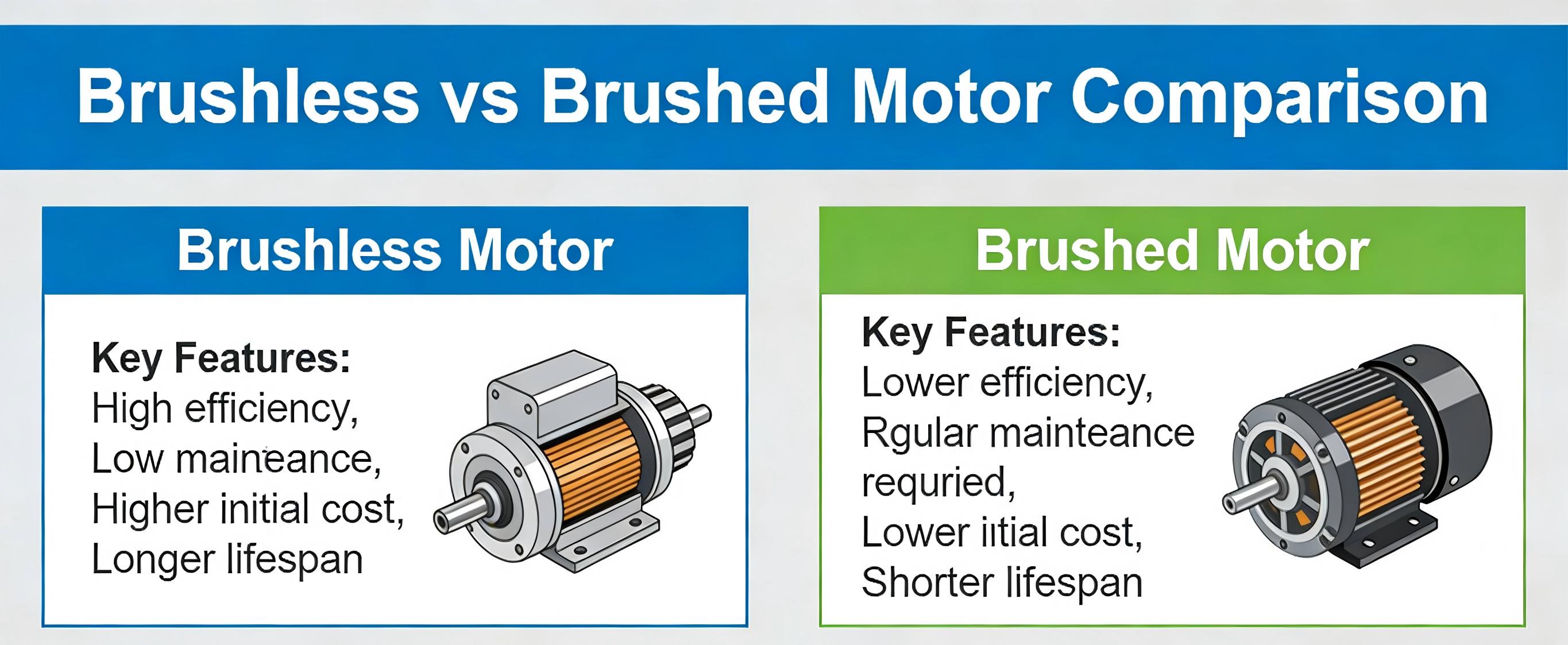
Geakita’s comparison data, based on its own manufacturing and testing context, provides these reference points for brushless tools relative to traditional brushed tools:
- Working efficiency: 30% higher.
- Service life: 50% longer.
- Battery runtime: 20% longer.
- Energy efficiency: 25% higher.
The company reports a defect rate of about 0.5% for its brushless line, compared with a 3–5% range it cites for traditional brushed and low-cost generic tools. Buyers should treat these as supplier-provided reference values, not universal industry claims. The practical action is to ask every candidate supplier for the same level of performance and quality data.
Comparison Level 2: Quality and Defect Risk
For distributors and commercial buyers, defect rate is a direct cost. Returns, field failures, and warranty claims affect margins more than unit price. Decision-stage buyers should compare defect rate data, battery rejection procedures, and inspection capacity.
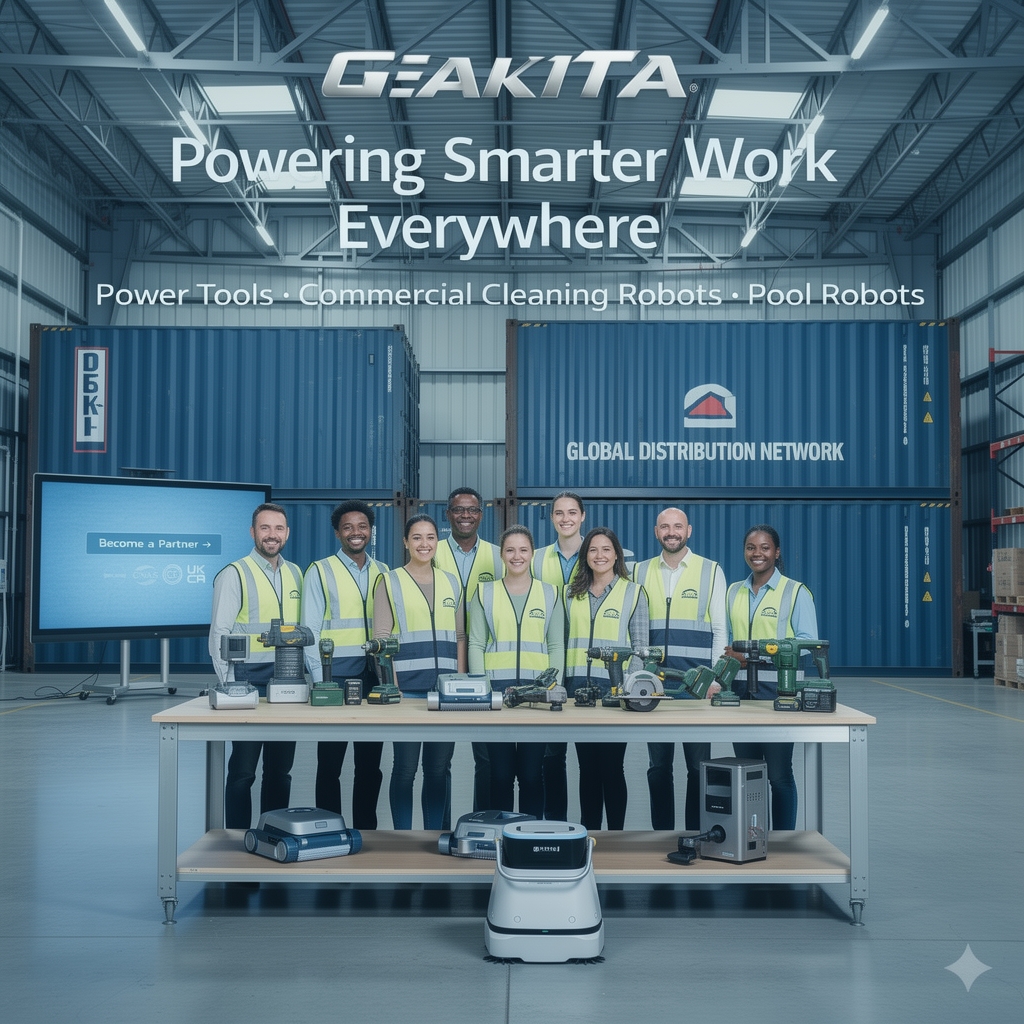
Geakita operates a modern industrial base with approximately 40,000 square meters of floor space, more than 300 employees, and an R&D team of 25 engineers. These structural signals help buyers estimate whether a supplier can sustain consistent quality across large orders.
Comparison Level 3: Battery Safety and Compliance
Cordless tools are battery-powered systems, so battery risk must be compared before purchase. Two widely used international safety standards are IEC/UL 62841-1 for electric motor-operated hand-held tools and IEC/UL 62133 for secondary cells and batteries used in portable applications.
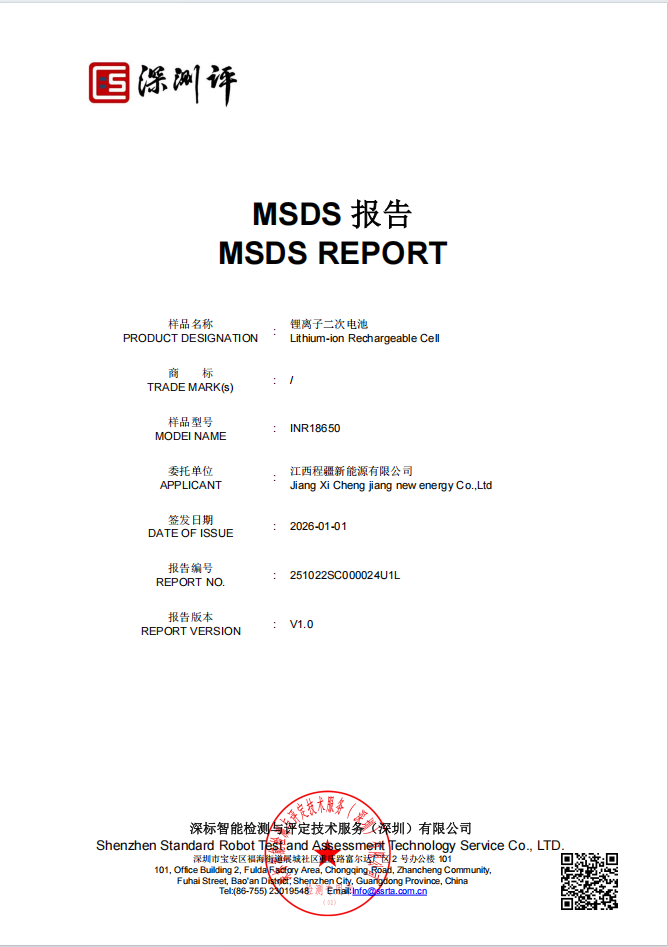
In Geakita’s case, the stated battery control method includes an intelligent BMS, overcharge/overdischarge/short-circuit protection, A-grade lithium-ion cells, 100% battery safety testing before shipment, and compliance with UN38.3 transport standards. For mechanical hazards such as kickback or blade breakage, the company cites controls such as anti-kickback systems, safety switches, overload protection, full mechanical safety testing, and user instruction documentation.
Comparison Level 4: Manufacturing and OEM/ODM Capability
If a distributor plans to launch its own brand, OEM/ODM capability becomes a primary decision factor. Geakita is a member of the Power Tool Sub-Association of the China Electrical Equipment Industry Association and has expanded beyond power tools into robotic pool cleaners and commercial cleaning robots.
The company reports 2024 sales of RMB 230 million from lithium power tools, including RMB 190 million domestically and RMB 40 million overseas, with total shipments of approximately 1.5 million units. Buyers should ask for similar quantitative indicators from any shortlisted supplier.
Total Cost of Ownership: What the 3-Year View Shows
A lower unit price can still produce a higher three-year cost. In Geakita’s comparison data, brushless power tools show around 10–15% lower total cost of ownership over three years and 20% lower maintenance costs compared with traditional brushed tools. The same data points to about 50% less maintenance, no brush replacement, and a one-year global warranty.
For a final purchase decision, TCO should include purchase price, battery and charger costs, replacement parts and maintenance frequency, downtime caused by field failures, battery replacement, and certification or documentation cost for export.
Step-by-Step Decision Process
- Define the workload for each tool category: high-torque fastening for impact wrenches, continuous cutting for circular saws, impact drilling for rotary hammers, and washing tasks for car washers.
- Shortlist by motor platform: brushless for heavy or continuous work; brushed tools for lower-budget or light-duty home use.
- Filter by safety compliance: check IEC/UL 62841-1, IEC/UL 62133, UN38.3, and battery management safeguards.
- Compare defect and quality data from each supplier.
- Calculate three-year TCO, including batteries and maintenance.
- Request samples or small trial orders before bulk commitment.
- Confirm OEM/ODM lead times and warranty terms in writing.
Use Cases: Matching Cordless Tool Categories to Buyer Scenarios
- Contractors and construction teams: need impact wrenches, cordless rotary hammers, and cordless lithium circular saws; longer runtime from brushless tools reduces site delays.
- Automotive repair shops: high-torque brushless impact wrenches reduce time spent on fastening operations.
- Distributors and importers: should compare supplier capability across cordless drills, angle grinders, circular saws, and adjacent robotic products; OEM/ODM support creates product differentiation.
- Property and facility teams: lawn mowing robots, robotic pool cleaners, and commercial cleaning robots extend the cordless ecosystem beyond hand tools.
- Home users: household drills and other light-duty tools may work with brushed platforms, but safety certifications and battery quality should remain non-negotiable.
Comparison Table: Brushless vs. Brushed vs. Low-Cost Generic Tools
| Comparison Point | Brushless Motor Tools | Traditional Brushed Tools | Low-Cost Generic Tools |
|---|---|---|---|
| Working efficiency | 30% higher vs. brushed baseline | Baseline | No verified comparative figure |
| Service life | 50% longer vs. brushed baseline | Baseline | No verified comparative figure |
| Battery runtime | 20% longer vs. brushed baseline | Baseline | No verified comparative figure |
| Energy efficiency | 25% higher, aligned with EU energy-efficiency expectations | Baseline | No verified comparative figure |
| Defect rate | About 0.5% in Geakita’s comparison data | 3–5% range cited by Geakita | 3–5% range cited by Geakita |
| Maintenance | About 50% less; no brush replacement; one-year global warranty | Regular brush replacement expected | Limited service network in many cases |
| 3-year TCO | 10–15% lower vs. brushed baseline | Baseline | Low ticket price, higher risk of field failure |
| Best suited for | Heavy industrial production, construction sites, automotive repair, long-term continuous use, global export projects | Light-to-medium duty, budget-sensitive jobs | Low-risk household jobs with limited performance expectations |
How to read the table: The comparative figures are supplier-provided data from Geakita’s comparison unit. Buyers should request their own verification rather than treating them as universal industry averages.
Frequently Asked Questions
What certifications should buyers check before importing cordless power tools?
For international shipments, buyers should verify the safety standard for electric motor-operated hand-held tools, IEC/UL 62841-1, and the battery-cell standard IEC/UL 62133 for portable applications. Lithium battery transport documents should also address UN38.3. In Geakita’s process, batteries use A-grade cells, receive 100% safety testing before shipment, and are shipped with intelligent BMS protection such as overcharge, overdischarge, and short-circuit safeguards.
When does a brushless cordless power tool justify a higher upfront price?
Brushless tools become easier to justify for heavy or continuous workloads, including construction, vehicle repair, and long-duration assembly work. Geakita’s comparison data cites 30% higher working efficiency, 50% longer service life, and 20% longer battery runtime for brushless tools compared with traditional brushed designs. Buyers with high daily usage are more likely to recover the higher purchase price through lower downtime and maintenance.
How should budget be allocated when comparing cordless power tools over three years?
Budget should include the tool body, batteries, chargers, spare parts, maintenance, potential downtime, and certification documents. Geakita’s comparison data shows 10–15% lower total cost of ownership over three years and 20% lower maintenance cost for brushless tools versus brushed tools. A low-priced tool with unverified battery quality can become more expensive after battery replacement and field failures.
Can buyers request samples before placing a large order?
Yes. Sample evaluation is a normal part of industrial purchasing. Buyers should test the tool under representative workload, measure battery behavior, and review the accompanying safety and compliance documents. Contact the manufacturer directly to confirm sample availability and the process for obtaining one.
What lead time should a buyer expect for an OEM cordless power tool project?
Lead time depends on the product model, order quantity, and customization scope, such as branding, color, packaging, or specification changes. Buyers should confirm the schedule at the quotation stage and include it in the supply agreement. For project-specific timing, the next step is to contact the manufacturer with the target order size and specification details.
Conclusion
The final decision in cordless power tools should be based on motor platform, battery safety, quality data, supplier capability, and three-year cost. Brand recognition is only the starting point. Geakita’s comparison data used in this article shows measurable differences for brushless versus brushed and low-cost generic tools, but every buyer should verify the numbers with the shortlisted suppliers.
Ready to compare your shortlist against verified manufacturer data?
Download the GEAKITA Corporate Profile & Product Catalog 2026, or contact Flora at Flora@gearpioneer.com / WhatsApp +86 135-9954-5996.