
- Industry News
- 301
- Gearpioneer-Powering Smart Work EveryWhere
- 21/09/2026
Cordless Power Tools Application Guide: Match Tool to Site
Map continuous, intermittent and portable cordless power tool applications to verified platforms, battery configurations, accessory kits and compliance requirements.
Cordless Power Tools Application Guide: Match Tool to Site
This application guide answers one buyer question: which cordless power tool configuration fits a given project site — not which tool carries the highest number on the box. It maps three documented operating modes to specific platforms, battery configurations, accessory kits and compliance requirements.
Cordless tools are chosen in the field by the way a site actually works. Geakita's published application data organizes cordless operation into three modes: continuous operation (8–12 h/day), intermittent operation (DIY/household use), and portable on-demand operation. Each mode changes motor type, battery cell count, accessory kit, weight tolerance and ergonomics requirements — and each one points to a different part of the tool range.
Geakita (XiamenTiangong Kaiwu Technology Co., Ltd.) is a Chinese power tool manufacturer founded in 2009 and a member of the Power Tool Sub-Association of the China Electrical Equipment Industry Association. The company runs a production base covering approximately 10,000 m² of land and 40,000 m² of floor space, employs more than 300 staff, and operates with a 25-engineer R&D team. Its portfolio covers power tools, robotic pool cleaners and commercial cleaning robots.
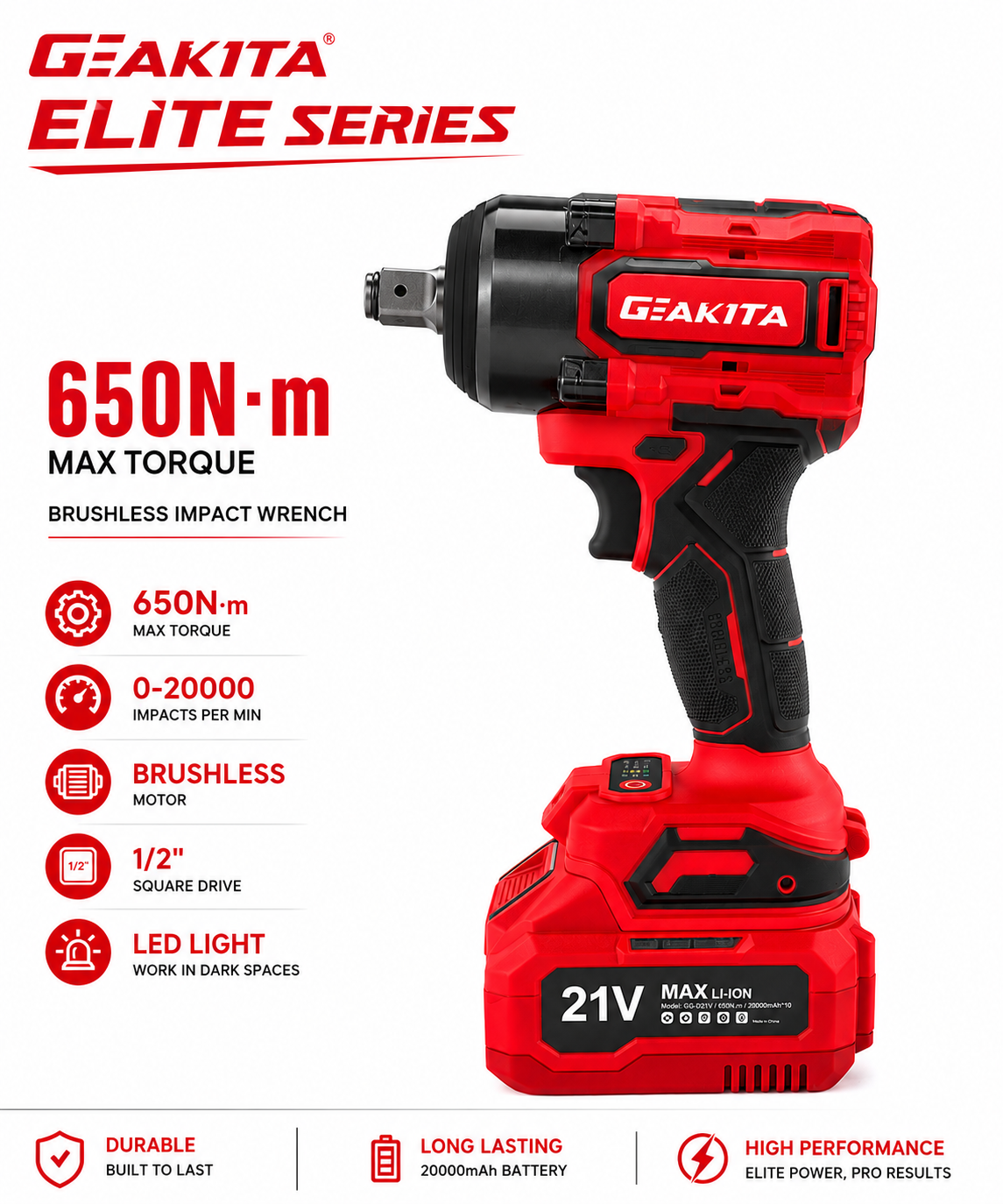 Geakita Elite 650 brushless impact wrench — one of the 21V platforms referenced throughout this application guide.
Problem Definition: Why Applications Fail Before Specs Do
Most cordless tool problems on live projects are not peak-torque failures. They are configuration failures: the tool, battery, accessory set or compliance package does not match the operating mode of the site. A drill rated for household assembly is not a drill problem until it is asked to run a production line for eight hours a day; at that point the failure is a specification error, not a manufacturing defect.
Four variables decide whether a tool survives its application:
- Duty cycle. The same platform is offered into continuous operation (8–12 h/day), intermittent operation (DIY/household), and portable on-demand operation. Continuous duty places the load on thermal behaviour, motor type and ergonomics; intermittent duty places it on cost and weight; portable on-demand duty places it on battery count and case logistics.
- Battery architecture. Published configurations in this range run from 1300 mAh × 4 cells up to 2000 mAh × 15 cells, on 16.8V and 21V lithium-ion platforms. Cell count is the difference between a two-hour job and a full shift.
- Accessory and interface kit. A tool is only as deployable as its matched equipment: battery packs, chargers, drill bits, screwdriver bits, grinding wheels, cutting discs, sockets, router bits, carrying cases and dust extraction.
- Market compliance. The same tool sold into the Philippines, Oman, Brazil, the United States or Australia carries different documentation, packaging and battery-transport requirements.
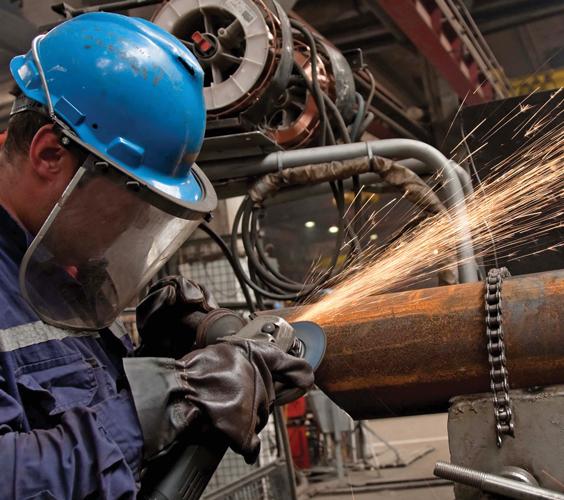 Continuous-duty applications such as factory maintenance and production-line work are the segment where operating mode, not peak torque, decides tool selection.
Industry Background: What the Cordless Market Looks Like in 2026
The category this guide addresses is large and still expanding. According to Grand View Research, the global cordless power tools market was valued at USD 13.44 billion in 2024 and is projected to reach USD 32.58 billion by 2033. Drilling and fastening tools formed the largest single segment of that market with a 36.51% revenue share in 2024, based on data published by Horizon Databook / Grand View Research.
Adjacent tool categories follow the same pattern. Strategic Market Research values the global angle grinder market at USD 3.2 billion in 2024 and notes that cordless models are increasingly reshaping site mobility — which is why the 21V angle grinder platforms in this guide are specified with disc diameter, bore size and weight rather than only speed. Fortune Business Insights puts China's power tools market at USD 5.30 billion in 2024, describing the country as a major global export hub for cordless lithium technology.
Estimates in this category should be read with their scope in mind. Published figures for the cordless segment diverge depending on whether batteries and chargers, and categories such as garden machinery, are included — Global Market Insights, for example, publishes a lower global cordless figure than Grand View Research for the same 2024 reference year. For buyers, the practical reading is directional: demand is rising, and the fast-growing applications are the ones tied to battery platforms rather than to corded tools.
The same battery-driven shift is visible outside hand tools. Market Research Future values the global robotic lawn mower market at USD 1.15 billion in 2024, driven by demand for automated landscaping, and SNS Insider expects the robotic pool cleaner market to reach USD 5.18 billion by 2032 with a 16.51% CAGR from 2024. Geakita's own documented robotic portfolio covers pool cleaning robots and commercial cleaning robots rather than lawn mowers, so those two platform families — not mowers — are the relevant adjacent battery platforms for its buyers.
Compliance background matters just as much as market size. UL Solutions identifies IEC/UL 62841-1 as the primary safety standard for electric motor-operated hand-held tools and lawn and garden machinery, and IEC/UL 62133 as the standard covering lithium-ion secondary cells and batteries for portable applications. Publicly reported market participants in the cordless segment include Makita, Stanley Black & Decker (DeWalt), Bosch and Techtronic Industries (Milwaukee), per Global Market Insights.
Detailed Solution: The Three Operating Modes That Decide the Configuration
1. Continuous operation — industrial production lines, construction sites, heavy-duty continuous work
Continuous operation is defined here as 8–12 hours per day. It is the mode that most often exposes under-specified hardware, because the limiting factors are not peak output but thermal load, vibration, weight in the hand, and battery turnover across a shift. Geakita's application documentation for this mode lists industrial production lines, construction site operation and heavy-duty continuous operation as target environments, and specifies ergonomic design for long-time holding plus low vibration and noise levels for workshop safety as special requirements.
Platforms that fit this mode in the published range include:
- GKR06 heavy-duty brushless impact wrench (1000 N·m) — 21V, pure copper brushless motor, 2000 mAh × 10 cells, no-load speed 0–3200 r/min. Listed applications include railway engineering and maintenance, heavy machinery and equipment manufacturing, construction and steel structures, energy and petrochemicals, shipbuilding and marine engineering, mining and metallurgy.
- GKR05 brushless impact wrench (650 N·m) — 21V, pure copper brushless motor, 2000 mAh battery, no-load speed 0–4000 r/min, in the same listed industrial applications.
- PT24 brushless impact drill — 150 N·m actual torque, 2000 mAh × 15 cells, 13 mm three-jaw metal ratchet chuck, 24+3 torque settings, three-function with impact.
- RH01 / RH02 cordless rotary hammer — 21V brushless, 2000 mAh × 10 cells, 0–2000 r/min no-load, drilling capacity Φ26 mm in concrete, Φ13 mm in steel and Φ26 mm in wood, with docking charger.
2. Intermittent operation — household DIY and light maintenance
Intermittent operation covers DIY and household use, where the priority shifts to weight, control and cost rather than thermal endurance. Products documented for this environment are designed for household DIY maintenance alongside construction and heavy-duty work, which means the same supplier line can carry both ends of the range.
Representative configurations include the 16.8V brushless drill family — DK00 at 16.8V–18V with a 13 mm chuck, 24 settings plus triple functions, 450/2200 RPM and 1.6 kg; DK01 at 120 N·m with a 1.15 kg body; DK02 with 1500 mAh × 4 cells and 0–120 N·m; and DK03 with 1300 mAh × 8 cells. Lower-cost alternatives in the same catalogue include the brushed 21V model 9996 (30 N·m, 1300 mAh × 5 cells, 18+1 settings) and the 12V brushed drill 9868 (28 N·m, 1300 mAh × 3 cells). For fastening-only household work, the 16.8V impact screwdrivers QZ01 and QZ02 provide 35/100/120 N·m across three speed ranges of 0–1200 / 2400 / 3000 r/min.
3. Portable on-demand operation — service calls, retail and distribution channels
Portable on-demand operation covers the jobs where the tool travels: service calls, retail and e-commerce fulfilment, hardware store sales and site visits. The selection criteria change again — compactness, carrying case configuration, manual language and retail-ready packaging become the deciding variables, because the buyer is often a distributor rather than an end user.
Compact platforms in the range include the 21V angle grinder JM05 (1300 mAh × 10 cells, brushless pure copper), the JM03 / JM01-02 angle grinders (100 mm disc, 16 mm bore, 12,000 RPM no-load, 1.6 kg with one battery), the Cordless Lithium Circular Saw CS01 (21V, brushless pure copper, 1500 mAh × 10 cells) and the 16.8V brushless impact drill DK-05 (1300 mAh × 4 cells).
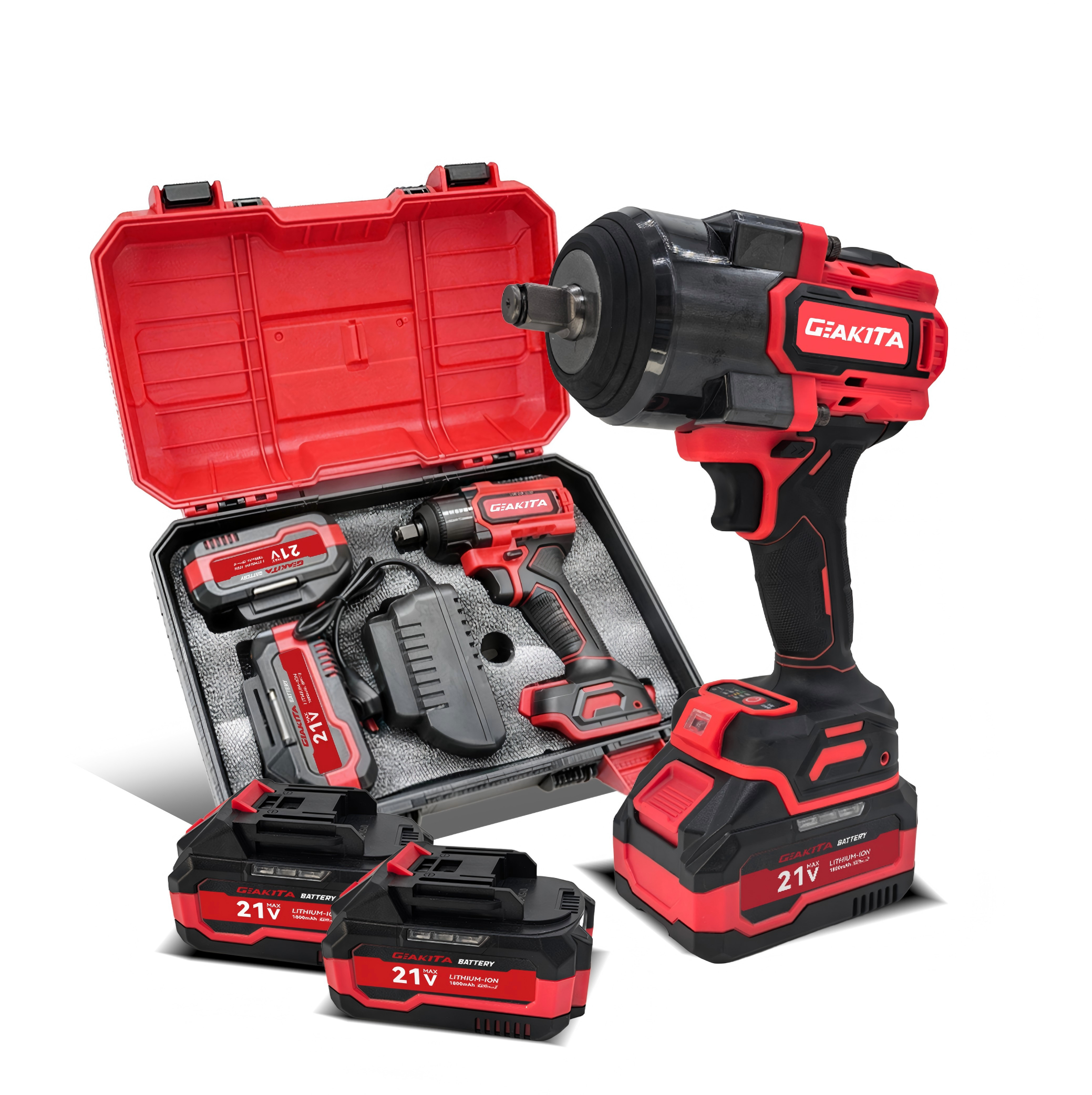 The GKR05 21V brushless impact wrench — 650 N·m of actual torque at 0–4000 r/min, documented for railway, automotive and heavy-machinery work.
Scenario-to-Platform Matching
| Project scene | Operating mode | Platform in the documented range | Verified specification that matters |
|---|---|---|---|
| Industrial production line and assembly | Continuous (8–12 h/day) | Geakita Elite series (21V), PT24 impact drill | Elite: 21V brushless pure copper, 1300–2000 mAh × 10 cells. PT24: 150 N·m, 2000 mAh × 15 cells |
| Construction and infrastructure | Continuous / heavy-duty | RH01 or RH02 cordless rotary hammer | 21V brushless, 2000 mAh × 10 cells, concrete Φ26 mm, steel Φ13 mm, wood Φ26 mm |
| Structural bolting, railway and heavy machinery | Continuous | GKR06 (1000 N·m) and GKR05 (650 N·m) impact wrenches | GKR06: 1000 N·m at 0–3200 r/min. GKR05: 650 N·m at 0–4000 r/min |
| Metal cutting and grinding | Intermittent to continuous | JM05, JM03, JM01-02 angle grinders | 21V, 100 mm disc, 16 mm bore, 12,000 RPM no-load, 1.6 kg with battery |
| Wood cutting and trimming | Intermittent | Cordless Lithium Circular Saw CS01 | 21V brushless pure copper, 1500 mAh × 10 cells |
| Auto repair workshop, tire and engine work | Continuous | 650 NM and 1000 NM brushless impact wrenches, Elite 650 | 21V, 1500–2000 mAh × 10–15 cells, brushless pure copper |
| Household DIY and home repair | Intermittent | DK00, DK01, DK02, DK03; 9996; 12V 9868 | 16.8V–21V, 28–120 N·m torque, 1.15–1.6 kg, LED light, stepless speed control |
| Retail, e-commerce and hardware distribution | Portable on-demand | Elite series assortment across 16.8V and 21V | Retail-ready packaging, multi-language manual, OEM/ODM available |
| Facility and pool maintenance (adjacent battery platforms) | Portable on-demand | Pool Cleaning Robot PC10 / PC20 / PC200; Commercial Cleaning Robot WDC-C2 | Pool: 19.7 kg, 5200–10400 mAh, 3.8 L filter. WDC-C2: 440 mm cleaning width, ±1 cm navigation accuracy |
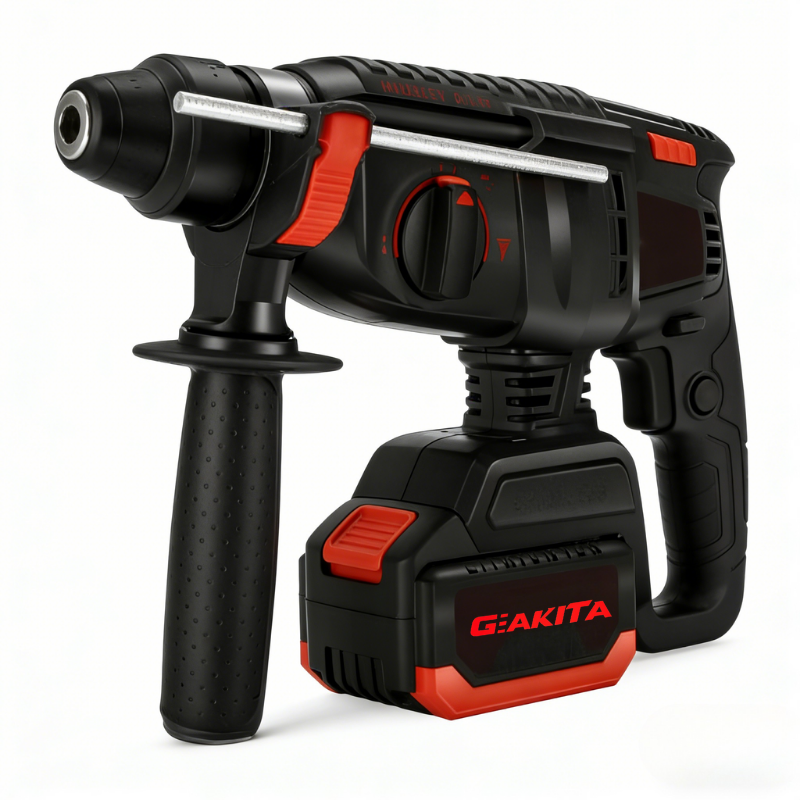 The RH01/RH02 cordless rotary hammer covers the drilling side of continuous construction duty, rated to Φ26 mm in concrete.
Step-by-Step: Specifying a Cordless Tool Program for a Project
- Classify the site by operating mode first. Continuous (8–12 h/day), intermittent (DIY/household) or portable on-demand. This single decision filters the range more effectively than comparing torque figures across unrelated tools.
- Translate the work into the documented function list. The supported task set is drilling, fastening, cutting, grinding, chiseling, screwdriving, impact tightening/loosening, woodworking trimming, car washing and dust blowing. High-pressure battery-powered car washing and cleaning/surface treatment fall inside this documented function list, so they can be planned into the same battery platform as the tools.
- Fix the voltage platform and battery configuration. 16.8V covers household drills and impact screwdrivers; 21V covers impact wrenches, rotary hammers, angle grinders and circular saws. Battery configurations in the published range span 1300 mAh × 5 cells to 2000 mAh × 15 cells.
- Match motor type to duty. Brushless pure copper motors carry continuous duty; brushed motors remain suitable for intermittent household work. On the same 21V platform, the documented torque span runs from 30 N·m (brushed 9996) to 150 N·m (brushless PT24).
- Build the accessory kit before ordering the tools. Matched equipment includes battery packs, chargers, drill bits, screwdriver bits, grinding wheels, cutting discs, sockets, router bits, carrying cases and dust extraction systems. Missing accessory lines are the most common cause of a tool arriving unusable on site.
- Verify compliance for every destination market. The documented requirement set includes CE, UL and INMETRO certification, FCC compliance and IP rating, plus UN38.3 and dangerous goods standards for battery pack shipment, multi-language manuals and retail-ready packaging.
- Plan MOQ, lead time and after-sales. The stated MOQ structure is a minimum purchase of 5 tool categories at 8 items per category, 40 items total. Mass production is quoted at 30–45 days, repeat orders at 20–28 days, with shipping time calculated separately by method and destination port.
Use Cases: Where These Configurations Are Deployed
Multi-country construction and workshop program
A documented program covering construction contractors, supermarkets, e-commerce partners, power tool distributors, OEM/ODM manufacturers and hardware stores shipped 5,000+ units over a period of more than two years, across Laos, the Philippines, Thailand, India, Brazil, Saudi Arabia and Oman. The stated results are 99.8% on-time delivery, a 0.3% defect rate, and stable performance in 45 °C+ high-temperature environments. The execution model behind those numbers is documented as Tier-A approval for key materials (cells, magnets, bearings, cutting tools) with 100% IQC sampling and defect traceability; IPQC inspections with inline torque and electrical monitoring plus automatic end-of-line testing; and OQC sampling at shipment with UN38.3 and dangerous goods compliance.
Automotive, railway and heavy machinery
Applications listed for the GKR05 and GKR06 brushless impact wrenches cover automotive and transportation, railway engineering and maintenance, construction and steel structures, heavy machinery and equipment manufacturing, energy and petrochemicals, shipbuilding and marine engineering, mining and metallurgy. In these settings the deciding specification is actual torque — 650 N·m or 1000 N·m — paired with a no-load speed that keeps repeated fastening cycles efficient.
Manufacturing lines and furniture assembly
Documented manufacturing applications include wood cutting, sanding, drilling and furniture assembly on automated production lines, alongside vehicle maintenance, tire replacement, engine disassembly and daily workshop repair. These are intermittent-to-continuous tasks in which the 55–80 N·m brushless impact drills (PT02-1, PT20, PT-21, PT-22) and the 16.8V DC/DK drill family typically carry the load.
Household and retail
For household DIY projects, the 16.8V–21V drills and 16.8V impact screwdrivers cover drilling at up to 13 mm in steel and 50–60 mm in wood, with LED lighting and stepless speed control. For retail, e-commerce and hardware store distribution, the same platforms ship with multi-language manuals and retail-ready packaging, which is why the Elite series is offered as an assortment rather than as individual units.
Facility and pool maintenance
Where maintenance work scales beyond hand tools, Geakita's documented battery platforms extend to the Pool Cleaning Robot range (PC10, PC20, PC200 — 19.7 kg, 5200–10400 mAh, 2–3 hours charging, 2–3 hours runtime, approximately 3.8 L filter capacity, for public, private, hotel and apartment pools) and the Commercial Cleaning Robot WDC-C2 (503 × 503 × 629 mm, 40 kg, 10 L clean plus 10 L wastewater tanks, 1 kWh swappable battery, 3-hour charge, 5–12 hours runtime, 440 mm cleaning width, 0.2–0.8 m/s adjustable speed, ±1 cm navigation accuracy, for hospitals, malls, campuses, exhibition halls, offices, airports, hotels and restaurants).
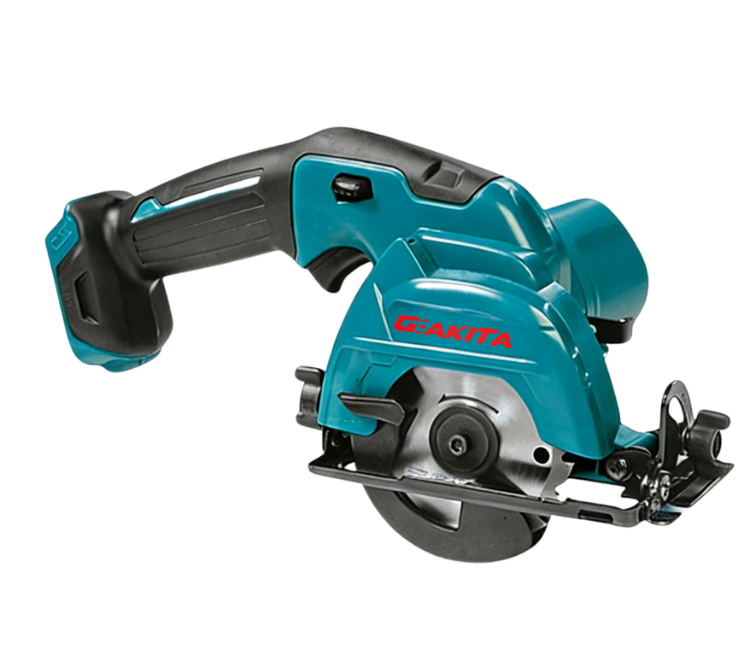 The Cordless Lithium Circular Saw CS01 brings the 21V brushless platform into wood cutting and trimming tasks.
Comparison Table: Verified Specifications by Platform
| Platform / model | Voltage | Motor & battery | Verified performance | Best-fit operating mode |
|---|---|---|---|---|
| GKR06 impact wrench | 21V | Pure copper brushless, 2000 mAh × 10 cells | 1000 N·m, 0–3200 r/min | Continuous, heavy-duty |
| GKR05 impact wrench | 21V | Pure copper brushless, 2000 mAh | 650 N·m, 0–4000 r/min | Continuous |
| Elite 650NM impact wrench | 21V | Brushless pure copper, 1500–2000 mAh × 10–15 cells | 650 N·m | Continuous to intermittent |
| RH01 / RH02 rotary hammer | 21V | Brushless pure copper, 2000 mAh × 10 cells | 0–2000 r/min; concrete Φ26 mm, steel Φ13 mm, wood Φ26 mm | Continuous |
| HM05 rotary hammer | 21V | Brushless pure copper, 1500–2000 mAh × 10 cells | Rotary hammer platform, Elite series | Continuous to intermittent |
| PT24 impact drill | 21V | Brushless pure copper, 2000 mAh × 15 cells | 150 N·m, 13 mm chuck, 450–2000 r/min, 24+3 settings | Continuous |
| PT20 impact drill | 21V | Brushless pure copper, 1300 mAh × 10 cells | 80 N·m, 13 mm chuck, 24+3 settings | Intermittent to continuous |
| PT02-1 impact drill | 21V | Brushless pure copper, 1300 mAh × 5 cells | 55 N·m, 10 mm chuck, 23+1 settings | Intermittent |
| JM03 / JM01-02 angle grinder | 21V | Brushless, 100 mm disc | 16 mm bore, 12,000 RPM no-load, 1.6 kg with battery | Intermittent to continuous |
| CS01 circular saw | 21V | Brushless pure copper, 1500 mAh × 10 cells | No-load speed 21,000 r/min | Intermittent |
| DK00 cordless drill | 16.8V–18V | Brushless, 13 mm chuck | 13 mm steel / 60 mm wood, 450/2200 RPM, 7000/24000 BPM, 1.6 kg | Intermittent (household) |
| 9996 brushed impact drill | 21V | Brushed pure copper, 1300 mAh × 5 cells | 30 N·m, 10 mm chuck, 18+1 settings | Intermittent (household) |
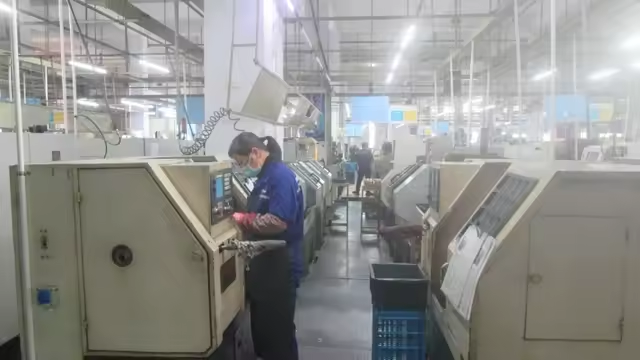 Quality control testing: shipped orders pass 100% full inspection, with three-level IQC/IPQC/FQC control and functional and load testing.
Frequently Asked Questions
Which safety and battery standards apply to cordless power tools in regulated markets?
Two standards anchor the technical file. UL Solutions identifies IEC/UL 62841-1 as the primary safety standard for electric motor-operated hand-held tools and lawn and garden machinery, and IEC/UL 62133 as the standard for lithium-ion secondary cells and batteries used in portable applications. On top of the standards, the documented market-entry requirement set for cordless products bound for markets such as the Philippines, Laos, Thailand, Oman, Brazil, Argentina, the United States and Australia includes CE, UL and INMETRO certification, FCC compliance and IP rating, multi-language manuals and retail-ready packaging. At shipment level, battery packs must comply with UN38.3 and dangerous goods standards.
Can one supplier cover continuous, intermittent and portable applications at the same time?
Yes, when the range is built as a shared battery platform rather than as isolated models. The Geakita Elite series spans DK05, PT05, QZ03, QZ05, JM05, HM05, a 650 NM impact wrench and a 1000 NM impact wrench, all on 21V brushless pure copper motors with 1300–2000 mAh × 10-cell batteries, with a separate 16.8V platform covering household drills and impact screwdrivers. Stated monthly capacity is 180,000+ units per month, with customization available on logo printing, packaging design, voltage (110V/220V), parameter adjustment for torque and speed, color scheme and battery configuration (2.0Ah/4.0Ah).
What drives cost across a mixed-mode tool program?
Cost is mainly a function of four documented variables rather than of brand tier alone. First, battery cell count and capacity, which in this range runs from 1300 mAh × 4–5 cells on light household units up to 2000 mAh × 15 cells on the PT24 impact drill. Second, motor type: on the same 21V platform, brushed tools are rated around 30 N·m while brushless tools reach 150 N·m, so the brushless premium buys duty-cycle capability, not just torque. Third, accessory kit content — battery packs, chargers, bits, grinding wheels, cutting discs, sockets, router bits, carrying cases and dust extraction all sit inside the bill of materials. Fourth, packaging and documentation for each destination market. MOQ also shapes unit economics: the stated minimum is 5 categories at 8 items each, for 40 items total.
How is a configuration validated before committing to volume?
Validation happens on two levels. At product level, OEM/ODM service allows parameter adjustment on torque and speed, voltage customization for 110V/220V markets, battery configuration changes and packaging or logo adaptation, so the sample reflects the intended production configuration rather than a stock unit. At quality level, every order passes 100% full inspection before shipment under three-level QC (IQC, IPQC, FQC) with functional and load testing; production includes inline torque and electrical monitoring with automatic end-of-line testing, and shipment-level OQC sampling covers UN38.3 and dangerous goods compliance. One documented multi-country program of 5,000+ units reported 99.8% on-time delivery, a 0.3% defect rate and stable performance in 45 °C+ conditions.
What lead time should be planned for a cordless power tool order?
Published planning figures are 30–45 days for mass production and 20–28 days for repeat orders, with shipping time calculated separately according to shipping method and destination port. After-sales coverage includes a global warranty, 7×24 technical support, on-time replacement for defective units and spare parts supply. To start a configuration review, samples or a quote, contact Geakita at Flora@gearpioneer.com, by phone or WhatsApp at +86 135-9954-5996, or through geakita.com.
Conclusion
Cordless power tool selection for a project is a matching exercise, not a ranking exercise. Identify the operating mode first — continuous 8–12 h/day, intermittent household use, or portable on-demand — then fix the voltage platform and battery configuration, match brushless or brushed motors to the duty cycle, complete the accessory kit, and confirm the compliance package for every destination market. The specification tables above show which documented platforms carry each mode, from the 1000 N·m GKR06 impact wrench for continuous industrial work down to 16.8V household drills at 1.15–1.6 kg.
Next Step: Match a Configuration to Your Project
Share your application mode, function list and destination market, and the Geakita team can map a tool, battery and accessory configuration against them — including OEM/ODM adjustments on voltage, torque, packaging and branding.
Email: Flora@gearpioneer.com | Tel / WhatsApp: +86 135-9954-5996 | Website: www.geakita.com
Download the 2026 Geakita Corporate Profile & Product Catalog for the full model list and specifications.
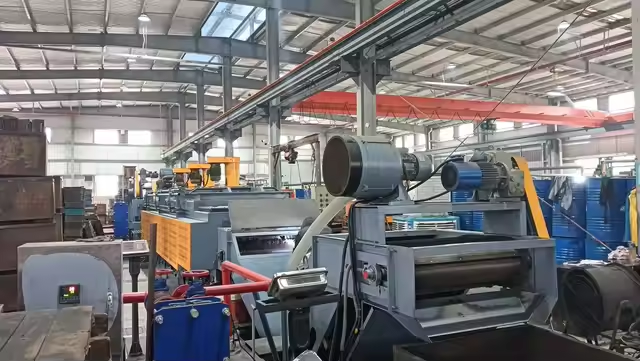 From configuration review to shipped order: automated production capacity of 180,000+ units per month supports mixed-category cordless tool programs.