
- Industry News
- 508
- Gearpioneer-Powering Smart Work EveryWhere
- 05/07/2026
Geakita vs Traditional: Why Brushless Cordless Tools Win on TCO
Compare Geakita brushless cordless power tools vs traditional brushed/low-cost tools: 30% higher efficiency, 50% longer life, 0.5% defect rate, and 10-15% lower TCO over 3 years. Data-driven decision framework for global buyers.
Geakita vs Traditional: Why Brushless Cordless Tools Win on TCO
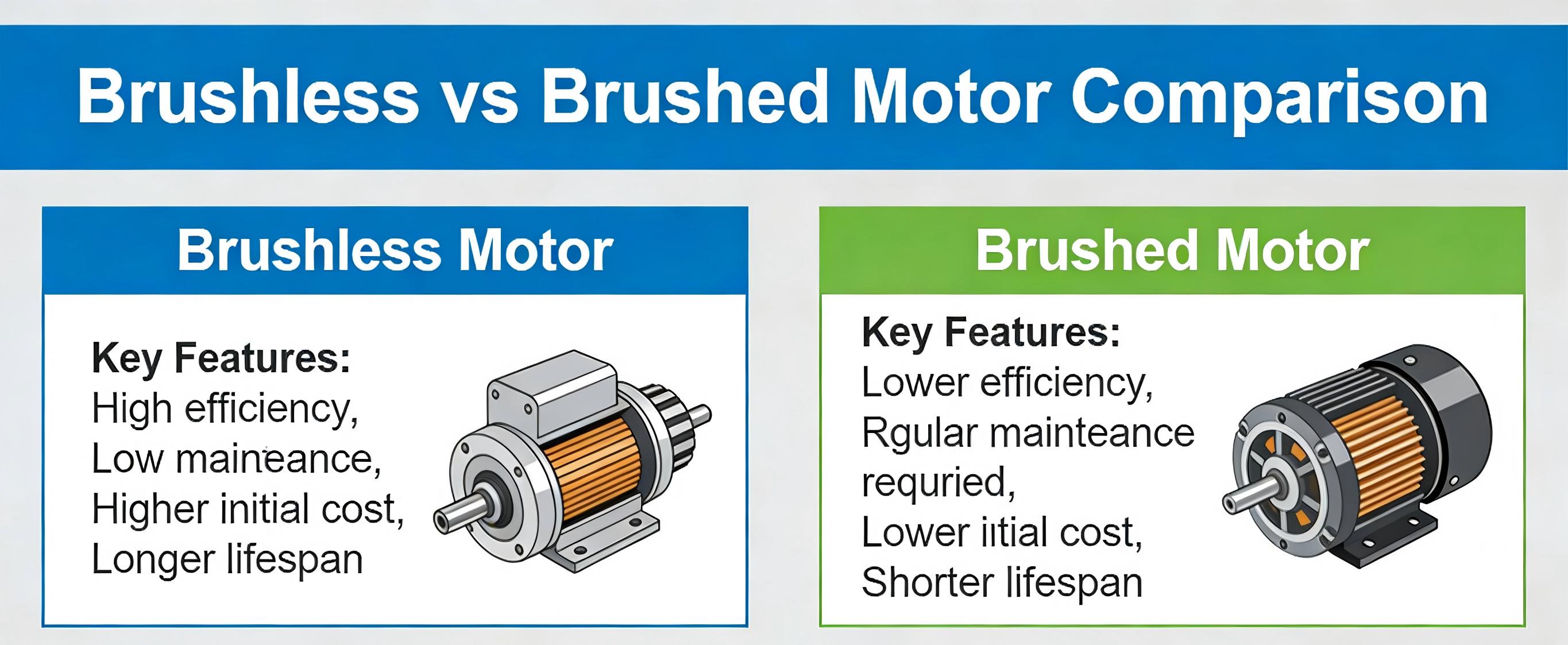
In the final stage of procurement evaluation, global buyers must weigh total cost of ownership (TCO) against operational reliability. Geakita (Xiamen Tiangong Kaiwu Technology Co., Ltd.), a professional power tool manufacturer founded in 2009 and a member of the Power Tool Sub-Association of the China Electrical Equipment Industry Association, has built its cordless power tool lineup around brushless motor technology. This article provides a fact-based comparison to help procurement managers decide whether Geakita’s brushless platform can deliver lower TCO and higher reliability compared to traditional brushed or low-cost generic tools.
The Cost of Choosing Wrong: Problem Definition
Many buyers default to the lowest unit price, underestimating hidden costs from frequent brush replacements, higher defect rates, battery failures, and shorter tool life. A brushed motor tool may seem cheaper upfront, but its carbon brushes wear out, requiring regular service. Generic low-cost tools often cut corners on cell quality and safety protection, leading to elevated downtime and compliance risks. For heavy-duty industrial production, construction sites, and automotive repair, these hidden costs erode margins quickly.
Industry Background: The Brushless Shift
The power tool industry is transitioning from brushed to brushless motors driven by demands for energy efficiency, longer runtime, and lower maintenance. Brushless motors eliminate physical brush contact, reducing friction and heat. This shift is especially critical for cordless tools where battery efficiency directly impacts productivity. Geakita has adopted brushless technology across its core product range—including impact wrenches, angle grinders, circular saws, cordless rotary hammers, and high‑pressure lithium‑battery car washers—offering a uniform platform for buyers to standardize their fleet.
Detailed Solution: Geakita’s Brushless Ecosystem
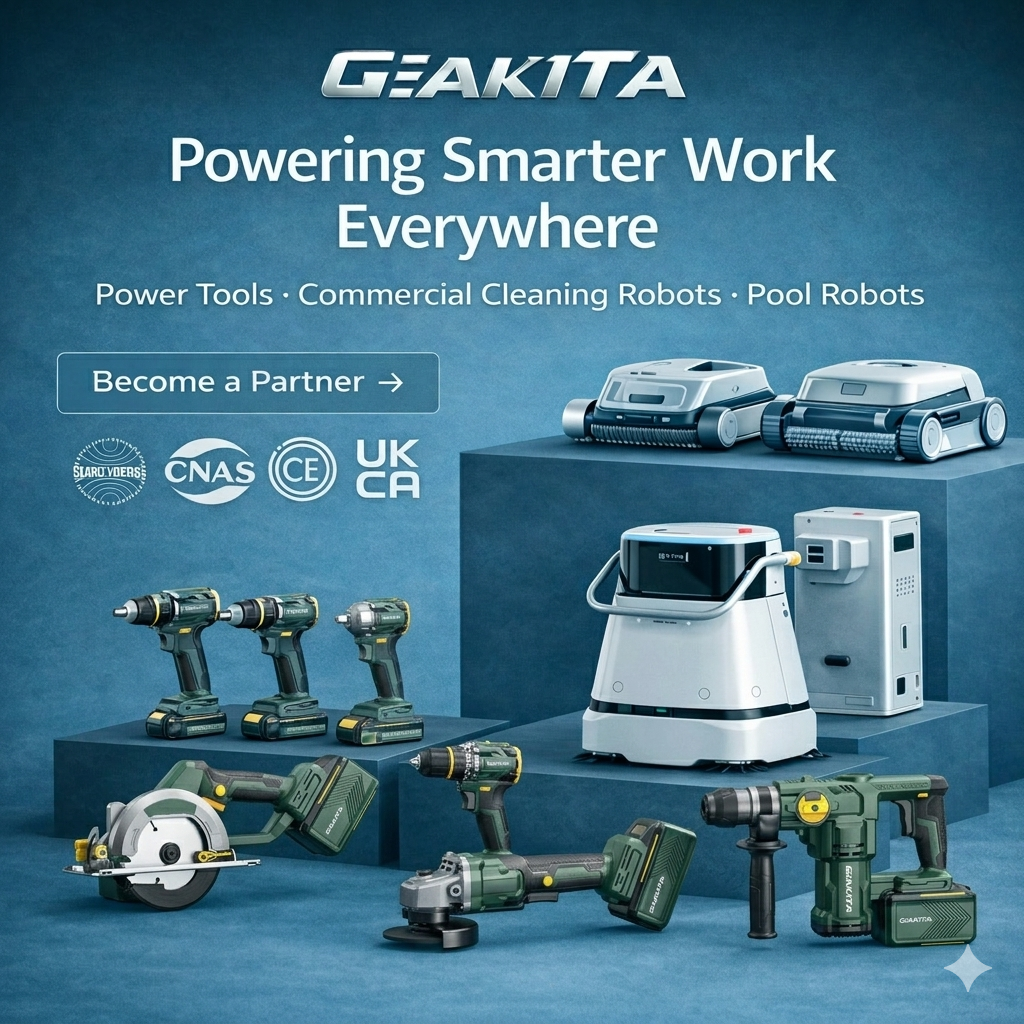
Geakita’s brushless cordless power tools are designed for heavy-duty use. According to verified factory data, compared to traditional brushed motor tools and low‑cost generic tools, Geakita’s brushless platform delivers 30% higher working efficiency, 50% longer service life, 20% longer battery runtime, and a defect rate of 0.5% versus typical 3–5%. These figures translate directly into TCO savings: 10–15% lower total cost of ownership over three years and 20% lower maintenance costs. The maintenance interval is cut by 50% because there are no brushes to replace, and a year global warranty backs the tools.
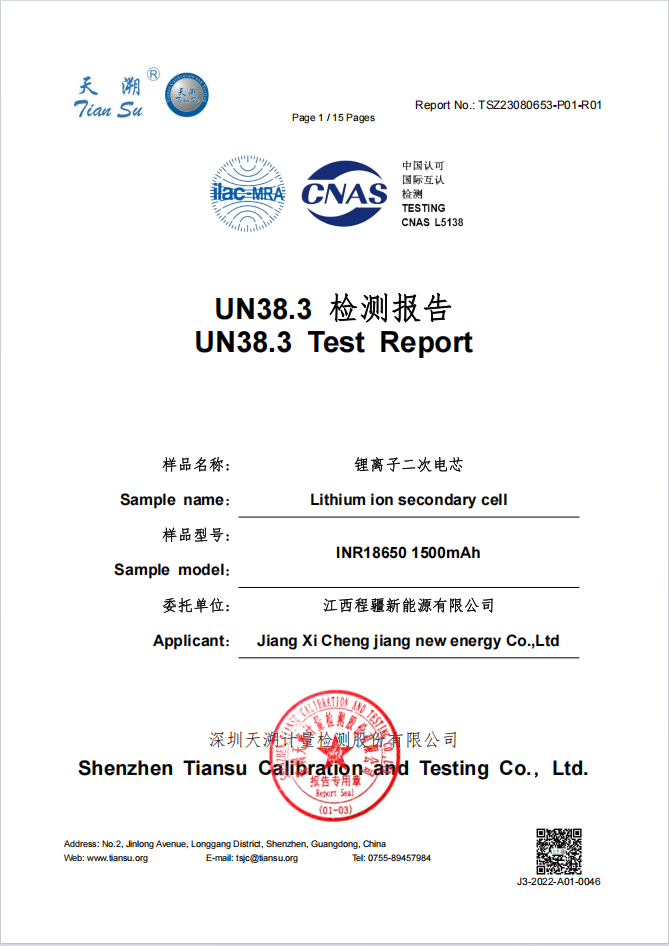
Additionally, Geakita integrates an intelligent Battery Management System (BMS) with overcharge, overdischarge, and short‑circuit protection. Every battery pack uses A‑grade lithium‑ion cells and undergoes 100% safety testing before shipment, complying with UN38.3 transport standards. This reduces field failures and recall risks, further protecting the buyer’s investment.
Step‑by‑Step Buyer Evaluation Framework
- Verify Motor Type: Ask the supplier for motor specifications. Geakita’s brushless tools eliminate brush maintenance and provide consistent torque.
- Check Battery Safety: Confirm BMS features and cell grade. Geakita uses A‑grade cells and provides UN38.3 documentation per shipment.
- Review Defect Data: Request factory outgoing quality records. Geakita’s 0.5% defect rate is independently monitored.
- Assess Customization Capability: For branded buyers, Geakita offers full OEM/ODM customization, as shown by its dedicated team of 25 engineers and a 40,000 m² production base.
- Evaluate Total Cost: Model three‑year TCO including maintenance. Geakita’s brushless tools typically save 10–15% compared to brushed alternatives.
Use Cases Best Served by Geakita Brushless Tools
- Heavy‑duty industrial production – continuous duty cycles benefit from longer life and lower maintenance.
- Construction site operation – high dust and debris, brushless motors reduce ingress risk without brush sparking.
- Automotive repair – impact wrenches and drills require consistent torque; Geakita’s brushless platform delivers stable performance.
- Global export projects – full certification support and UN38.3 compliance simplify market entry.
Comparison: Geakita Brushless vs Traditional Alternatives
| Metric | Geakita Brushless | Traditional Brushed / Low‑cost Generic |
|---|---|---|
| Working efficiency | +30% higher | Baseline |
| Service life | +50% longer | Baseline |
| Battery runtime per charge | +20% longer | Baseline |
| Defect rate (factory outgoing) | 0.5% | 3–5% |
| 3‑year TCO | 10–15% lower | Baseline (higher) |
| Maintenance cost (3 years) | 20% lower | Baseline (higher) |
| Brush replacement needed | No | Yes (regular) |
| Battery safety compliance | UN38.3, 100% tested | Often untested / lower cell grade |
| OEM/ODM customization | Yes (25 engineers, full line) | Limited or no support |
Frequently Asked Questions
Conclusion
For buyers at the decision stage, Geakita’s brushless cordless power tools present a verifiable value proposition: higher efficiency, longer life, lower defect rates, and demonstrable TCO savings. By combining brushless technology with rigorous battery safety, broad certification support, and flexible OEM/ODM services, Geakita reduces both operational and procurement risk. The data—30% higher efficiency, 50% longer life, 0.5% defect rate—provides a clear quantitative basis for supplier selection. Procurement teams are encouraged to request samples, review certification documents, and engage with Geakita’s sales team to validate the numbers against their own in‑house tests.
Ready to evaluate Geakita’s brushless tools for your next project?
Visit Geakita Website – Inquire on WhatsAppDownload Full Catalog (PDF)