
- Industry News
- 546
- Gearpioneer-Powering Smart Work EveryWhere
- 24/08/2026
How to Choose a Cordless Power Tools Partner in 2026: A Long-Term Sourcing Framework
Evaluate long-term cordless power tools suppliers with a focus on production capacity, compliance, OEM/ODM, lead times, and support. Geakita as reference.
How to Choose a Cordless Power Tools Partner in 2026: A Long-Term Sourcing Framework
Selecting a cordless power tools supplier for long-term distribution is different from single-SKU sourcing. The key question is not just whether a sample drill works; it is whether the manufacturer can sustain output, compliance, customization, and lead times over multiple order cycles. One company with a documented ecosystem is Geakita (Xiamen Tiangong Kaiwu Technology Co., Ltd.), a power tool manufacturer based in Xiamen, China. This guide explains how buyers in the Decision-to-Execution stage should evaluate a cordless power tools partner, using Geakita's manufacturing and support capabilities as a reference.

Geakita's Xiamen production base supports cordless power tools and robotic cleaning products.
Problem Definition: Why Long-Term Supplier Choice Is Harder Than Product Choice
Distributors and importers often enter cordless power tools procurement with a clear target price but an unclear operational picture. What looks competitive in a sample order can become unpredictable at scale: inconsistent battery quality, missed shipping deadlines, non-compliant certificates, and limited ability to adapt products to local markets. These issues create long-term cost. An evaluation model based on ecosystem capacity—production, engineering, compliance, quality control, and logistics—is more reliable than a model based on unit price alone.
Industry Background: Cordless Power Tools Continue to Shift Toward Ecosystem Competition
According to Grand View Research, the global cordless power tools market was valued at USD 13.44 billion in 2024 and is projected to reach USD 32.58 billion by 2033. Drilling and fastening tools accounted for the largest segment, with a 36.51% revenue share in 2024. China's power tools market reached USD 5.30 billion in 2024, reinforcing the country's role as an export hub for lithium-powered tools (Fortune Business Insights). Major global players in this sector include Makita, DeWalt, Bosch, and Milwaukee (Global Market Insights).
This market context changes how buyers should select partners. A manufacturer that only offers one product category is harder to scale with. A partner that can supply multiple cordless power tool categories, support customized models, manage export compliance, and maintain repeat-order capacity gives distributors a more durable foundation.
Detailed Solution: Geakita's Cordless Power Tools Ecosystem at a Glance
Geakita was founded in 2009 and is a member of the Power Tool Sub-Association of the China Electrical Equipment Industry Association. The company operates a modern industrial production base with approximately 10,000 m² of land and 40,000 m² of floor space. It employs over 300 staff, supported by 25 R&D engineers. The product portfolio covers power tools, robotic pool cleaners, and commercial cleaning robots.
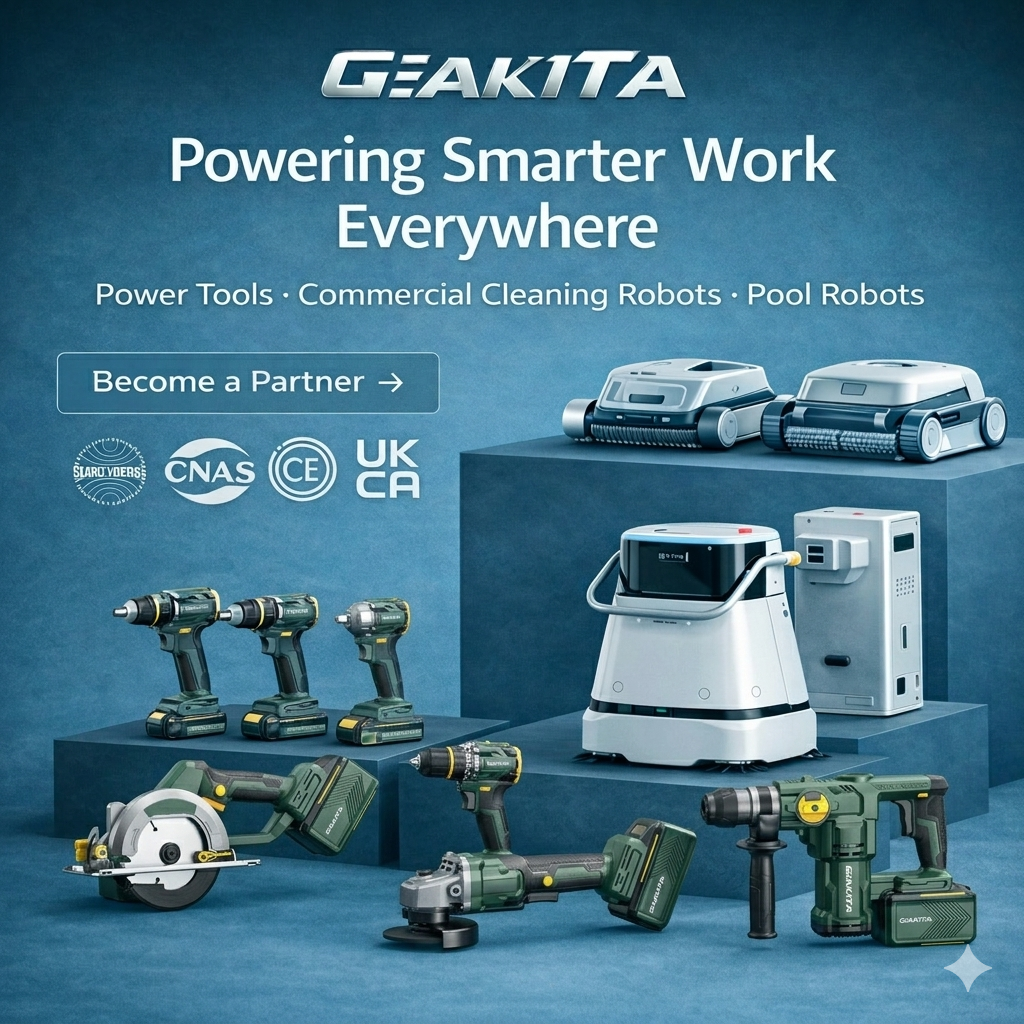
Geakita's All-in-One OEM offering spans cordless drills, impact drills, angle grinders, circular saws, rotary hammers, and robotic cleaning devices.
Key capacity facts for long-term evaluation include:
- Monthly production capacity: over 180,000 units.
- 2024 lithium power tool shipments: approximately 1.5 million units.
- 2024 lithium power tool sales revenue: RMB 230 million, including RMB 190 million domestic and RMB 40 million overseas.
- International expansion since 2023 in Europe, Southeast Asia, and the Middle East.
For cordless power tools specifically, Geakita's range includes cordless drills, brushless impact drills, angle grinders, circular saws, rotary hammers, and impact screwdrivers. Representative models include the DK-series drills, PT-series brushless impact drills, JM-series angle grinders, CS01 cordless lithium circular saw, RH01/RH02 cordless rotary hammers, and QZ01/QZ02 impact screwdrivers. This range gives distributors a single qualified source for multiple categories.
Step-by-Step Breakdown: Validating a Cordless Power Tools Partner Before Execution
1. Audit Production Capacity and Scale
The first long-term signal is capacity. Geakita reports a monthly production capacity of over 180,000 units. Its production base combines approximately 10,000 m² of land and 40,000 m² of floor space. In 2024, the company shipped roughly 1.5 million lithium power tool units. For a distributor, this level of capacity indicates an ability to absorb standard orders and repeat orders without restarting production from zero.
2. Verify Safety and Battery Compliance
Global distribution depends on regulatory acceptance. IEC/UL 62841-1 is the primary safety standard for electric motor-operated hand-held tools, and lithium-ion cells used in power tools must comply with IEC/UL 62133 for portable applications. Transport of lithium batteries should follow UN38.3 standards. Geakita states that it uses A-grade lithium-ion cells and performs 100% battery safety testing before shipment. Its battery management system includes overcharge, overdischarge, and short-circuit protection.
3. Evaluate Motor Technology: Brushless vs Brushed
Motor choice influences longevity, runtime, and maintenance. According to Geakita's comparison data, brushless motors offer 30% higher working efficiency, 50% longer service life, and 20% longer battery runtime compared with traditional brushed motors. They also provide 25% higher energy efficiency and require 50% less maintenance because there are no brushes to replace. Defect rates are reported at 0.5% for brushless models versus 3–5% for low-cost generic tools. These claims should be validated with sample testing, but they define the technical direction that matters for long-term inventory.
4. Confirm OEM/ODM and Customization Capability
Customization determines whether a manufacturer can support a local brand, not just sell an unbranded product. Geakita's MOQ for standard models is 100 units per SKU; OEM/ODM customized models require 500 units per SKU; small-batch trial orders are available from 40 units. With 25 R&D engineers, the company can support customized model development for buyers who need their own brand identity and product adaptation.
5. Review Quality Control and Inspection Protocol
Quality control matters after samples are approved. Geakita performs 100% pre-shipment inspection by its QC team. Third-party inspection by SGS or TÜV is available on request, and buyers can conduct on-site acceptance at the factory. These mechanisms reduce the risk that batch quality diverges from approved samples.
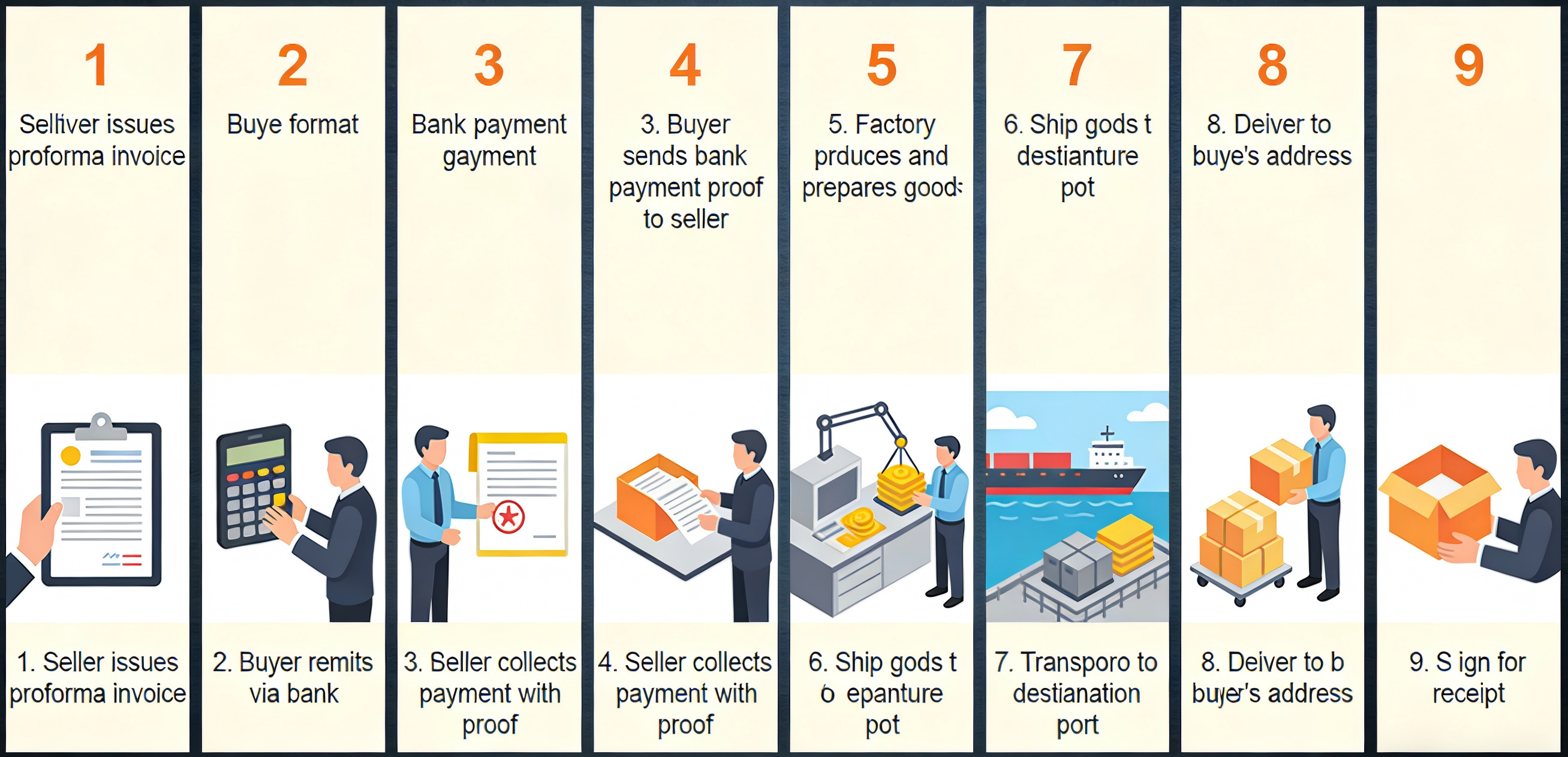
The delivery process covers pre-shipment inspection, shipping terms, and payment milestones.
6. Validate Order Execution and Lead Times
Lead time is a commercial commitment. Geakita's monthly production capacity exceeds 180,000 units, with typical lead times of 30–45 days for mass production and 20–28 days for repeat orders. Delivery options include FOB Shenzhen/Ningbo, EXW factory, and DDP door-to-door delivery. Payment terms are 100% T/T; for large orders, a 50% T/T down payment and 50% against B/L are acceptable.
7. Assess Long-Term Partnership Conditions
Long-term supply relationships depend on communication, market experience, and structured support. Geakita has built distribution channels in Europe, Southeast Asia, and the Middle East since 2023. In 2024, overseas sales of lithium power tools reached RMB 40 million. This regional exposure helps a manufacturer understand export documentation, packaging expectations, and market-specific needs—especially for distributors who plan multi-year commitments.
Use Cases: Matching the Ecosystem to Buyer Scenarios
Distributor Building a Multi-Category Cordless Power Tool Line
A distributor can create an assortment from Geakita's standard portfolio: DK-series brushless drills, PT-series brushless impact drills up to 150 N.m, 21V brushless angle grinders, the CS01 cordless lithium circular saw, and RH01/RH02 rotary hammers with 26mm concrete drilling capacity. Standard MOQ is 100 units per SKU, which supports a practical first rollout across multiple categories.
Trade Brand Moving into OEM/ODM Ownership
Brand owners can use Geakita's OEM/ODM path with 500-unit minimums per customized model. The 25-engineer R&D team supports customized model development. This is relevant for companies that want more control over design, color, or packaging instead of simply importing a generic product.
Contractor-Facing Importer Focused on Brushless Reliability
For buyers serving contractors, brushless tools that combine power and runtime reduce downtime. Example reference points include the PT24 brushless impact drill with 150 N.m torque and 13mm chuck, the QZ01/QZ02 impact screwdrivers with 3-speed control, and the RH02 rotary hammer with concrete drilling capacity up to 26mm. These are concrete catalog references for a contractor-focused line.
New Market Entrant with Small Trial Order
New entrants can place a 40-unit small-batch trial order before committing to a full SKU. After verifying quality, they can scale to standard 100-unit MOQs or move into OEM/ODM customized development. This lowers upfront risk while preserving a path to scale.
Comparison Table: Brushless Ecosystem vs Traditional Brushed Tools
The table below compares Geakita brushless cordless power tools against traditional brushed or low-cost generic tools, using Geakita's published comparison data. It is not a ranking; it is a technical checklist for conversations with a potential supplier.
| Criterion | Geakita Brushless Platform | Traditional Brushed / Low-Cost Generic |
|---|---|---|
| Working efficiency | 30% higher | Baseline |
| Service life | 50% longer | Baseline |
| Battery runtime | 20% longer | Baseline |
| Energy efficiency | 25% higher | Baseline |
| Defect rate | 0.5% | 3–5% |
| Total cost of ownership over 3 years | 10–15% lower | Baseline |
| Maintenance | 50% less; no brush replacement | Higher maintenance |
| Warranty | Global warranty support | Varies |
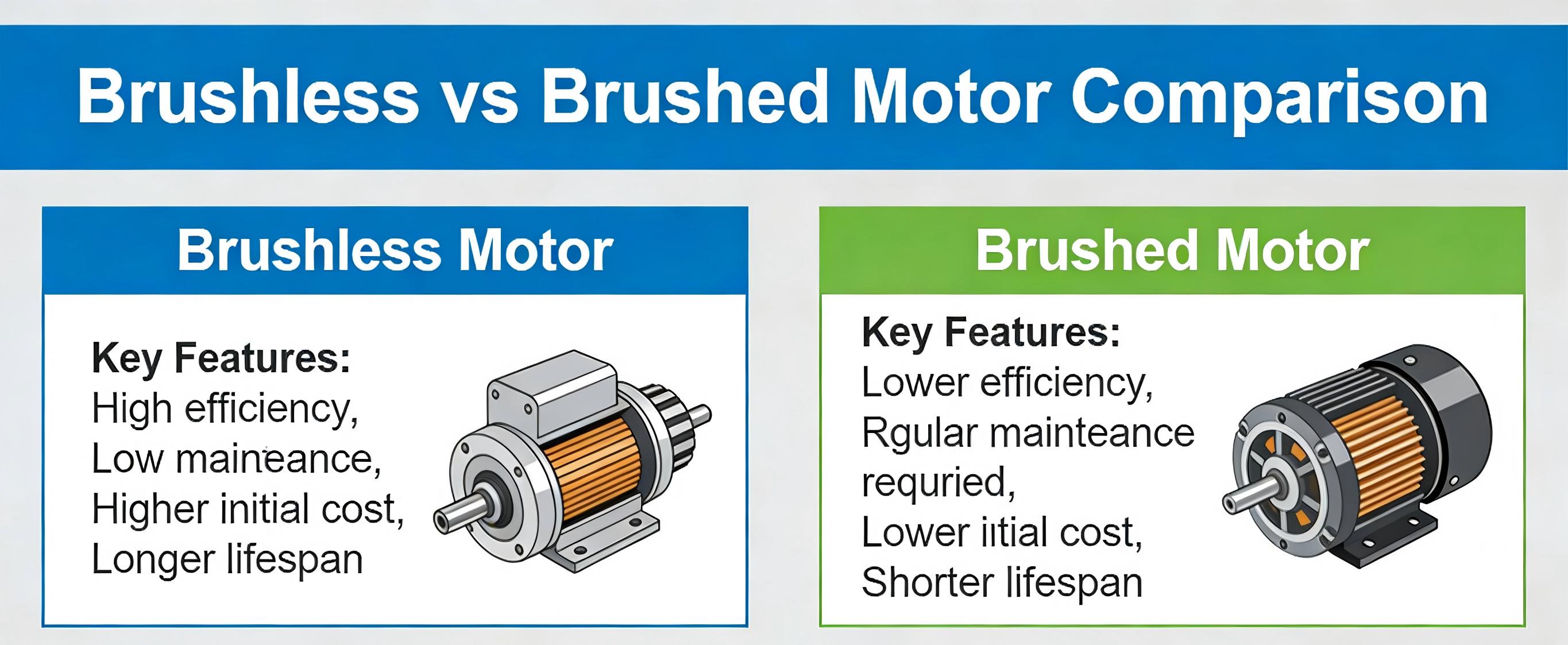
Brushless motor technology is a core decision factor for long-term maintenance and runtime.
Battery and Mechanical Risk Control in Long-Term Sourcing
Two long-term risks deserve explicit review in any cordless power tools supply relationship: battery safety and mechanical injury.
Battery Overcharging, Short Circuit, or Fire Hazard
To reduce battery risk, Geakita uses intelligent battery management systems with overcharge, overdischarge, and short-circuit protection. The company states it uses A-grade lithium-ion cells, performs 100% battery safety testing before shipment, and follows UN38.3 transportation standards.
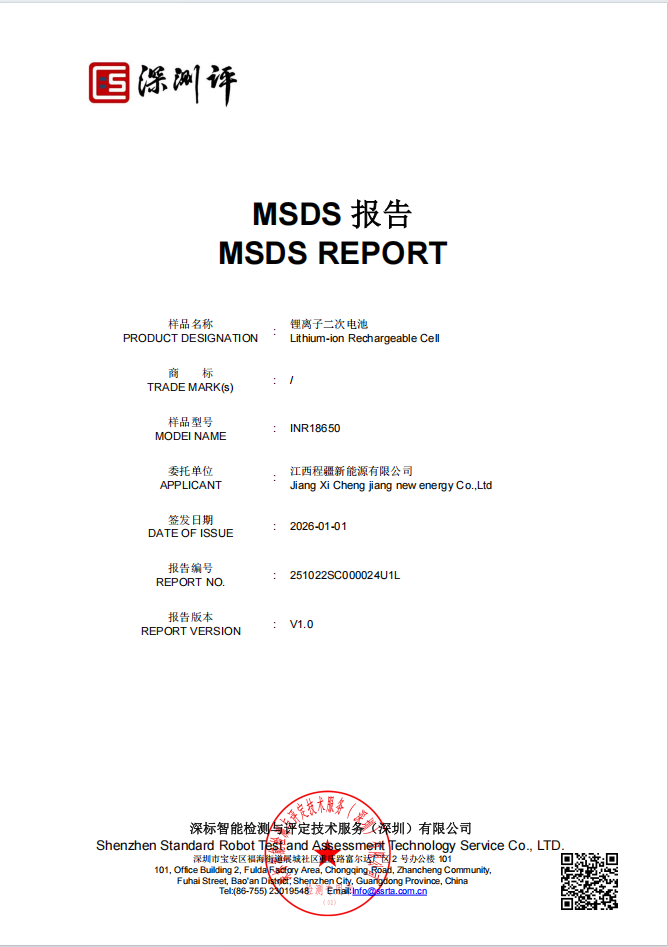
Mechanical safety testing and safety documentation support injury prevention.
Accidental Injury Caused by Kickback or Blade Breakage
Geakita addresses mechanical risk through anti-kickback systems, safety switches, and overload protection. The company also conducts full mechanical safety testing, provides user manuals with detailed safety instructions, and carries out regular safety training for production teams.
FAQ
What compliance standards should a cordless power tools partner meet for global distribution?
For hand-held cordless power tools, IEC/UL 62841-1 is the primary safety standard, and lithium-ion cells must meet IEC/UL 62133. Transport of lithium batteries should follow UN38.3. Buyers should ask the supplier for its battery safety testing protocol and certification documentation.
Can a manufacturer support both standard orders and custom OEM/ODM cordless power tool projects?
Yes. Geakita offers standard models with a 100-unit MOQ per SKU and OEM/ODM customized models with a 500-unit MOQ per SKU. Small-batch trial orders are available from 40 units. The company has 25 R&D engineers to support customized model development.
What budget factors affect long-term cordless power tools procurement?
Total cost of ownership matters more than unit price. According to Geakita's comparison data, brushless power tools can lower TCO by 10–15% over three years and reduce maintenance costs by 20% compared with traditional brushed tools. Payment terms are also relevant: standard terms are 100% T/T, and large orders can use 50% T/T down payment and 50% against B/L.
Can I place a small trial order before scaling up?
Yes. Geakita accepts small-batch trial orders from 40 units. After validation, buyers can move to standard 100-unit MOQs or OEM/ODM custom models starting at 500 units. Third-party inspection by SGS or TÜV is available on request.
What lead time and delivery options can I expect for mass production?
Geakita's monthly production capacity exceeds 180,000 units. Typical lead time is 30–45 days for mass production and 20–28 days for repeat orders. Delivery options include FOB Shenzhen/Ningbo, EXW factory, and DDP door-to-door. For current lead time planning and supply discussions, contact Flora at Flora@gearpioneer.com or download the Geakita 2026 Corporate Profile & Product Catalog.
Conclusion
Choosing a cordless power tools supplier is an ecosystem decision. Buyers should weigh production capacity, compliance, motor technology, customization, quality control, lead times, and regional experience together. Geakita provides a documented reference point across all of these dimensions. The practical next step is to test with a small batch, inspect independently, and then decide whether the manufacturer can support your multi-year distribution plan.
Next step: Download the Geakita 2026 Corporate Profile & Product Catalog to review the product range, production capacity, and contact details. For direct inquiries: Flora, Flora@gearpioneer.com, +86 135-9954-5996.