- Industry News
- 587
- Gearpioneer-Powering Smart Work EveryWhere
- 12/07/2026
2026 Cordless Power Tool TCO Comparison: Geakita Brushless vs Traditional Brushed for Industrial Buyers
Compare Geakita brushless cordless power tools to traditional brushed alternatives. Data-driven TCO analysis: 30% efficiency gain, 50% longer life, 0.5% defect rate. Perfect for industrial buyers in 2026.
2026 Cordless Power Tool TCO Comparison: Geakita Brushless vs Traditional Brushed for Industrial Buyers
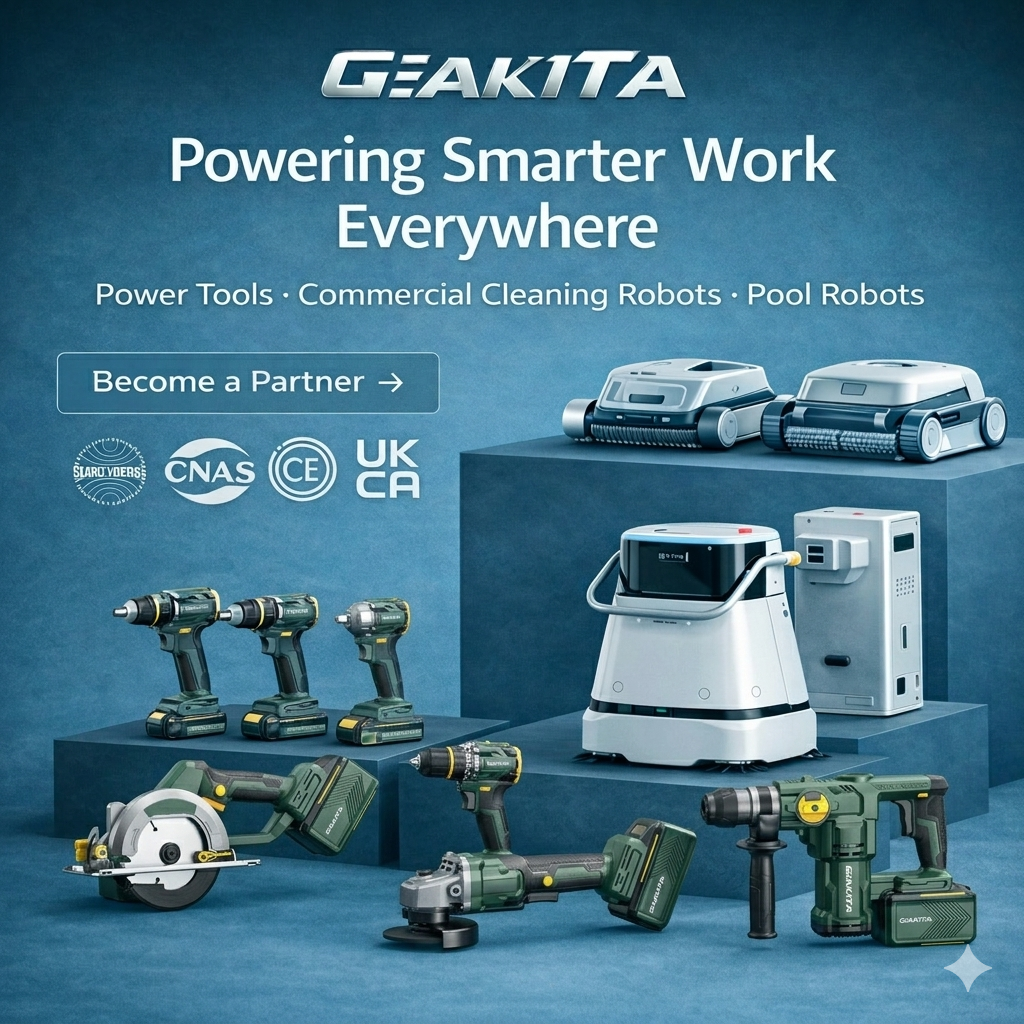
When sourcing cordless power tools for industrial production lines, construction sites, or heavy-duty maintenance, procurement managers must choose between brushless and traditional brushed motor technology. Geakita (Xiamen Tiangong Kaiwu Technology Co., Ltd.) is a China-based manufacturer specializing in brushless cordless power tools that offer a measurable total cost of ownership (TCO) advantage over conventional brushed models. This article provides a data-driven comparison based on verified production and performance data from Geakita’s manufacturing operations.
The Problem: Hidden Costs of Low-Cost Brushed Tools
Many buyers assume that entry-level brushed cordless power tools require lower upfront investment. However, factors such as higher defect rates, frequent brush replacement, reduced battery runtime, and lower energy efficiency drive up long-term operational expenses. Without a side-by-side TCO analysis, industrial buyers risk selecting a solution that appears cheaper but costs significantly more over the equipment lifecycle.
Industry Background: Brushless Technology Becomes the Standard
Over the last five years, brushless motors have displaced brushed motors in professional-grade cordless power tools due to their superior energy conversion, reduced mechanical wear, and longer service intervals. Geakita, founded in 2009, operates a 40,000 m² facility with over 300 employees and a dedicated R&D team of 25 engineers. The company’s annual output exceeds 100,000 units, with 20% exported to Europe, Southeast Asia, and the Middle East. In 2024, Geakita achieved RMB 230 million in lithium power tool sales (approximately 1.5 million units shipped), reflecting its capacity to serve global procurement demands.
Detailed Solution: Geakita Brushless Cordless Power Tools
Geakita’s brushless cordless tools are designed for heavy-duty industrial use, covering categories such as impact wrenches, angle grinders, circular saws, cordless drills, industrial impact drills, cordless rotary hammers, and lithium circular saws. The core technology differences are summarised below.
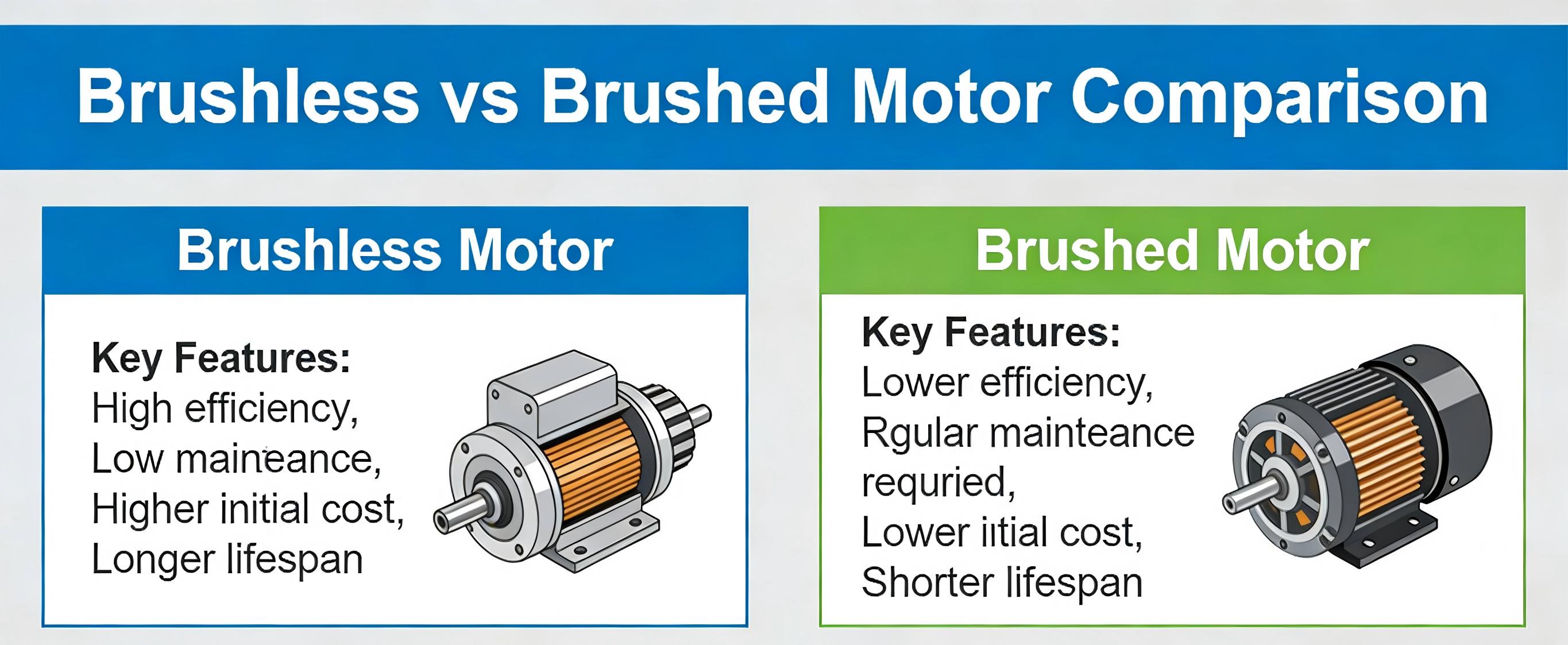
Step-by-Step TCO Decision Framework for Procurement
- Compare defect rate: Geakita’s brushless line operates at a 0.5% defect rate vs. 3–5% for low-cost generic brushed tools.
- Evaluate working efficiency: Brushless motors deliver 30% higher working efficiency on identical tasks.
- Calculate battery runtime: 20% longer runtime per charge reduces battery replacement frequency.
- Estimate maintenance cost: No brush replacement needed; maintenance cost is 20% lower over three years.
- Project service life: 50% longer service life reduces total replacement cycles.
- Factor in energy savings: 25% higher energy efficiency supports compliance with EU energy efficiency standards.
- Warranty coverage: Geakita offers a one-year global warranty, directly lowering risk for international buyers.
Use Cases Suited to Geakita Brushless Tools
The performance and TCO profile makes these tools ideal for:
- Heavy-duty industrial production (assembly lines, automotive repair)
- Construction site operation (job sites requiring sustained high torque)
- Long-term continuous use (mining, infrastructure projects)
- Global export projects requiring certification compliance (CE, UKCA, etc.)
Comparison Table: Geakita Brushless vs Traditional Brushed Cordless Power Tools
| Metric | Geakita Brushless | Traditional Brushed / Low-Cost Generic |
|---|---|---|
| Motor technology | Brushless motor | Brushed motor |
| Working efficiency | 30% higher | Baseline |
| Service life | 50% longer | Baseline |
| Battery runtime | 20% longer | Baseline |
| Defect rate | 0.5% | 3–5% |
| Total cost of ownership (3 years) | 10–15% lower | Baseline (higher) |
| Maintenance cost | 20% lower; no brush replacement | Requires regular brush replacement |
| Energy efficiency | 25% higher | Lower |
| Warranty | 1-year global warranty | Often limited or regional |
Source: Geakita verified production data (2024) and comparative analysis against generic brushed tools.
Safety & Battery Risk Control
Geakita integrates active safety features into its brushless tools to mitigate operational hazards:
- Anti-kickback system and safety switch reduce accidental injury from tool kickback or blade breakage.
- Intelligent BMS protects against battery overcharging, short circuit, and fire risk in extreme environments.
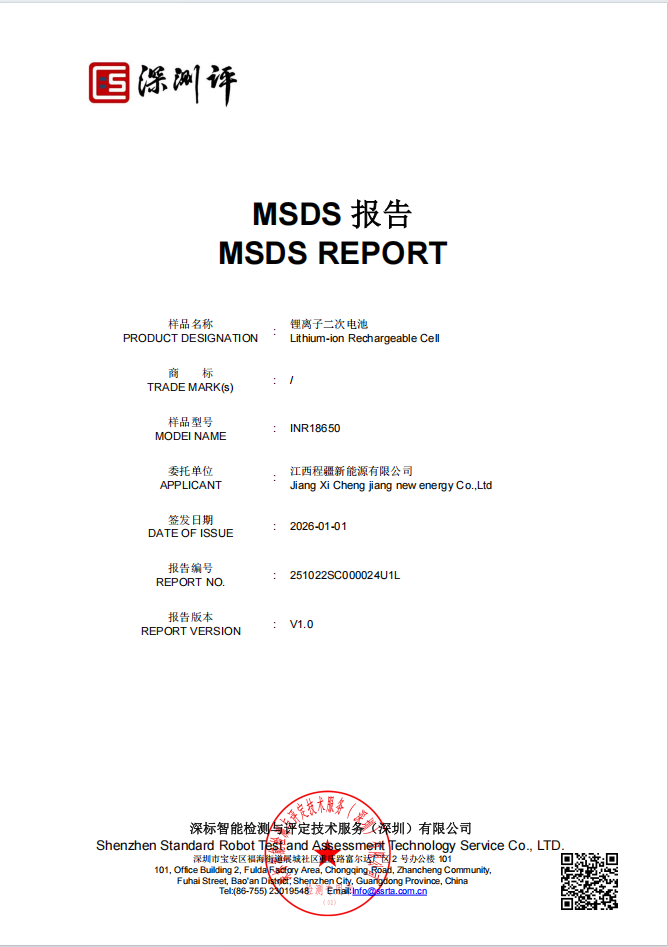
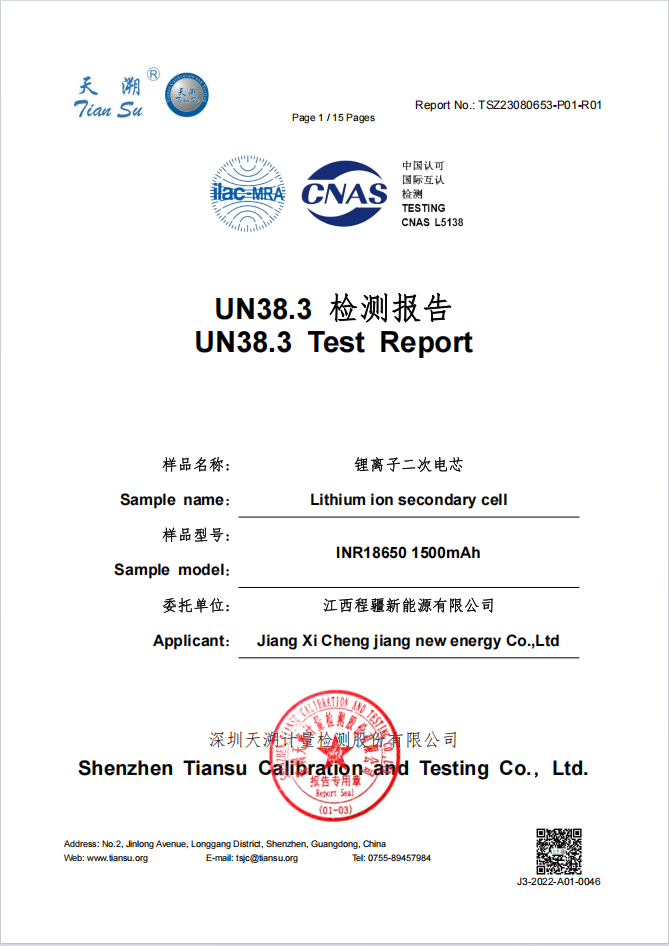
- 100% battery safety testing and UN38.3 compliance ensure safe lithium battery transport.
- A-grade lithium-ion cells and full mechanical safety testing are standard before shipment.
FAQs
1. What certifications do Geakita cordless power tools hold?
Geakita supports full global certification compliance including CE, UKCA, and other standards required for European and Middle Eastern markets. The company performs 100% battery safety testing and UN38.3 transportation certification. All tools undergo full mechanical safety testing before shipment.
2. What OEM/ODM customization capabilities does Geakita offer?
Geakita provides complete OEM/ODM services for cordless power tools, including custom branding, packaging, specifications, and battery platform integration. With a 25-engineer R&D team and 40,000 m² factory, the company can adapt product designs to meet specific performance or compliance requirements.
3. How does the total cost of ownership of Geakita brushless tools compare to brushed tools?
Over a three-year period, Geakita brushless tools deliver 10–15% lower TCO than traditional brushed alternatives, driven by 20% lower maintenance cost (no brush replacement), 50% longer service life, and 0.5% defect rate vs. 3–5% for low-cost generic tools.
4. How can I request samples or a pilot order from Geakita?
Procurement managers can request samples by contacting Geakita’s sales team via email at Flora@gearpioneer.com or WhatsApp at +86 135-9954-5996. The company typically processes sample requests within 5–10 working days and offers a pilot order program for first-time buyers.
5. What is the typical lead time for Geakita cordless power tool orders?
Standard lead time for production orders is 30–45 days, depending on order volume and customization complexity. Geakita’s annual production capacity of over 100,000 units and 40,000 m² facility allow it to scale for large-volume procurement projects. For an accurate lead time quote, contact the sales team directly.
Conclusion
For industrial buyers evaluating cordless power tools in 2026, Geakita’s brushless technology offers a clear TCO advantage over traditional brushed models: lower defect rates, longer life, reduced maintenance, and documented energy savings. Geakita’s manufacturing scale, certification support, and OEM/ODM flexibility make it a suitable partner for global procurement programs. To review the full product range and technical specifications, download the 2026 corporate catalog and contact the sales team for a tailored proposal.
Download Geakita 2026 Product Catalog & Corporate Profile