
- Industry News
- 459
- Gearpioneer-Powering Smart Work EveryWhere
- 08/09/2026
Cordless Power Tools Comparison Guide: Types, Specs & Supplier Fit
A practical comparison guide to cordless power tool types, specs and supplier fit: drills, impact wrenches, angle grinders, rotary hammers, saws and more.
Cordless Power Tools Comparison Guide: Types, Specs & Supplier Fit
Comparing cordless power tools is rarely about one single spec. It is a layered decision: first match the tool type to the task, then compare power and control features such as voltage, motor, torque, no-load speed and battery configuration, and finally verify that the supplier can document the tools and support the sales channel. This guide explains that comparison process for contractors, distributors, importers and e-commerce buyers who need to move from a product list to a defensible purchasing decision.
Because the cordless market now spans drills, impact drills, impact wrenches, rotary hammers, angle grinders, circular saws and screwdrivers, the most useful comparison is not “which single tool wins”. A more practical question is: which tool class fits my work, which specifications should I compare within that class, and which supplier can produce those products under the compliance and packaging requirements I need.
The Buying Problem: Why Cordless Tool Comparisons Often Go Wrong
The common mistake is comparing products before defining the duty. A high-torque impact wrench and a rotary hammer both sound powerful, but they solve different problems. An impact wrench is built for tightening and loosening fasteners; a rotary hammer is designed for drilling into masonry and concrete. When the job is misidentified, the buyer can end up comparing irrelevant parameters.
Another recurring problem is over-reliance on brand popularity. In the cordless power tool market, reports commonly name established global producers such as Makita, DeWalt, Bosch and Milwaukee as recurring players, but popularity alone does not tell a buyer whether a 21V platform, a given torque output, a specific battery configuration or a certain safety standard fits their market. Buyers need a comparison method that respects job function, measurable specifications and supplier evidence.
Industry Background: Why Comparison Matters for 2026 Sourcing
The global cordless power tools market was valued at USD 13.44 billion in 2024 and is projected to reach USD 32.58 billion by 2033, according to Grand View Research. Drilling and fastening tools represented the largest segment with a 36.51% revenue share in 2024. Complementary product categories also carry significant scale: the global angle grinder market was estimated at USD 3.2 billion in 2024, while the impact wrenches market was estimated at approximately USD 2.68 billion in the same year.
From a supply perspective, China is a central manufacturing base for cordless lithium technology. Fortune Business Insights estimated China’s power tools market at USD 5.30 billion in 2024. For buyers, this means the comparison process should include a supplier evaluation layer: factory scale, engineering team size, export markets and product documentation. This is where a manufacturer such as Geakita (Xiamen Tiangong Kaiwu Technology Co., Ltd.) can be assessed as one sourcing option rather than treated as an unknown brand name.
Comparison Dimension 1: Tool Class and Intended Application
Every cordless power tool comparison should start with the action the tool must perform: drilling, fastening, screwdriving, impact tightening, loosening, cutting, grinding, chiseling or hammer drilling. These actions map to different tool families, and each family has different critical specifications.
- Cordless drills and impact drills are used for drilling holes and driving screws in wood, steel and similar materials.
- Impact screwdrivers add rotational impact for driving and removing screws in repetitive or demanding fastening work.
- Impact wrenches are used for fastening and loosening nuts and bolts with high torque, especially where a compact tool is needed.
- Rotary hammers provide hammer drilling for concrete and masonry applications.
- Angle grinders are used for cutting and grinding with abrasive discs.
- Circular saws are used for straight cutting in wood and sheet materials.
Once the tool class is clear, the following comparison dimensions become measurable.
Comparison Dimension 2: Motor Technology and Build Materials
The motor is a major cost and performance driver in cordless tools. Buyers will encounter both brushed and brushless designs. Brushless motors are widely preferred for demanding professional applications because they reduce the wear of brushes and can provide more efficient power delivery, while brushed designs usually offer a simpler, lower-cost entry point.
When reviewing specification sheets, buyers can also check whether the motor is described as pure copper. Several products in Geakita’s range, including the 21V Brushless Impact Wrench, the 16.8V Brushless Impact Drill model DK-05 and the 21V Cordless Rotary Hammer model HM05, list a brushless pure-copper motor in their specifications. This kind of concrete product statement is more useful than a vague “high-power” claim during comparison.
Comparison Dimension 3: Voltage and Battery Configuration
Voltage is an indicator of platform power class. Common cordless platforms include 12V, 16.8V and 21V designs, and most of Geakita’s professional cordless products use 16.8V or 21V lithium-ion platforms. Battery configuration is also part of the comparison. For example, specification sheets can list battery capacity and cell count, such as 1300mAh multiplied by 4 cells for the Elite DK-05 impact drill, 1300mAh multiplied by 10 cells for the 21V Brushless Impact Drill model PT-05, or 1500–2000mAh multiplied by 10–15 cells for the 21V Brushless Impact Wrench models in the 650NM and 1000NM classes.
Comparing these details matters for resellers because battery configuration affects cost, runtime, charging behavior and the size of the whole product package. Buyers should also confirm which battery platform the entire product line shares, because distributors and contractors usually prefer one common battery system across several tools.
Comparison Dimension 4: Torque, Speed and Mechanical Details
Torque and no-load speed help separate tools designed for light work from tools intended for continuous professional use. In an impact driver or drill, maximum torque and no-load speed show how the tool behaves under fastening and drilling load. For example, the QZ01 cordless impact screwdriver provides maximum torque of 120 N.m and a variable speed range from 0 to 3000 r/min. The PT24 impact drill delivers 150 N.m actual torque with a no-load speed range of 450–2000 r/min.
Mechanical details also matter. Chuck diameter, chuck type and torque settings show how flexible the tool is onboard and on site. Many of Geakita’s drill models, including the 21V brushless impact drills, use a three-jaw metal ratchet chuck with a maximum chuck diameter of 13mm and 24+3 torque settings. These details can be compared directly between suppliers instead of relying on marketing descriptions.
Comparing Cordless Tool Categories: A Practical Walkthrough
This section compares the cordless tool families that appear most often in distributor and contractor purchase lists, with concrete product examples from Geakita’s catalog where the facts are available.
Cordless Drills and Impact Drills
Drills are the default fastening and hole-making tools. Impact drills add a hammering action, which helps when driving into masonry and denser materials. Geakita’s Elite DK-05 is a 16.8V brushless impact drill powered by a pure-copper brushless motor with a 1300mAh battery configuration. The company also supplies several 21V brushless impact drills, such as model PT-05, with a 1300mAh 10-cell configuration. In this category, buyers should compare chuck type, maximum chuck diameter, speed control, torque settings and whether the tool supports impact mode.
Impact Wrenches
Impact wrenches are the fastening workhorses for bolts and heavy fasteners. Geakita offers 21V brushless impact wrench models in torque classes identified as 650NM and 1000NM in the Elite series, with brushless pure-copper motors and battery configurations specified as 1500–2000mAh with 10–15 cells. In the company’s separate heavy-duty line, the GKR05 is documented as a 21V pure-copper brushless impact wrench with 650 N.m actual torque, while the GKR06 is documented with 1000 N.m actual torque and a no-load speed of 0–3200 r/min. Buyers comparing impact wrenches should look for actual torque, no-load speed, battery capacity and mechanical weight, because these values predict performance on real fasteners.
Rotary Hammers
Rotary hammers bring hammer action and rotation together for drilling in concrete, masonry and similar building materials. Geakita’s rotary hammer examples include the Elite HM05, a 21V brushless pure-copper rotary hammer with a 1500–2000mAh 10-cell configuration, and the RH02 model with concrete drilling capacity of 26mm, steel drilling capacity of 13mm and wood drilling capacity of 26mm. For this category, the most meaningful comparison points are drilling capacity in concrete, impact frequency, no-load speed, chuck type and battery runtime.
Angle Grinders
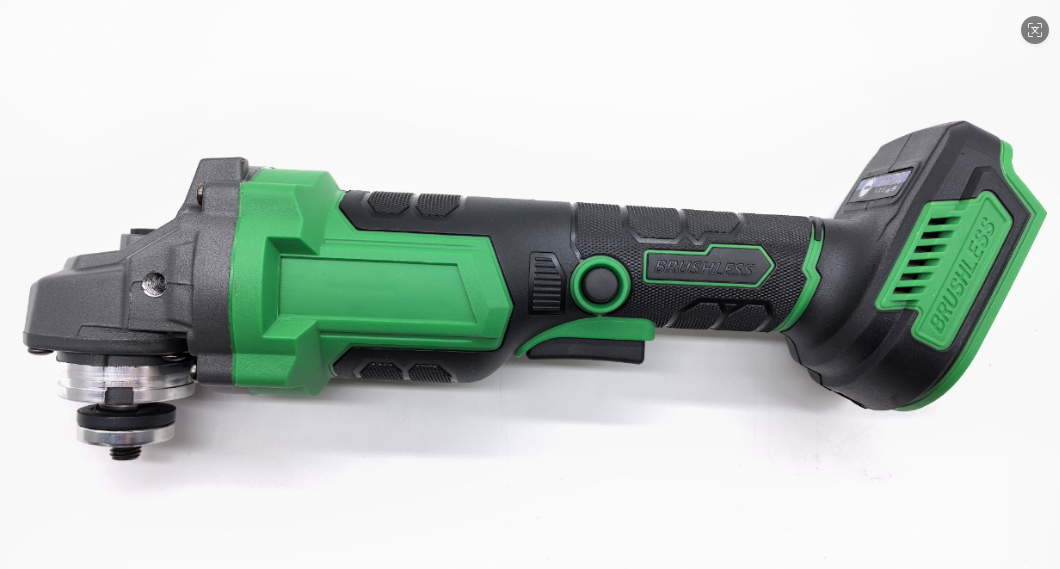
Cordless angle grinders are used for cutting and grinding with 100mm-class discs. The JM03 angle grinder in Geakita’s range is a 21V tool with a 100mm disc diameter and a no-load speed of 12000 RPM. Its weight, including one battery, is 1.6kg, which is useful to compare when the grinder will be used overhead or for extended periods. In the angle grinder segment, the most comparable metrics are disc diameter, no-load speed, weight and battery platform.
Circular Saws
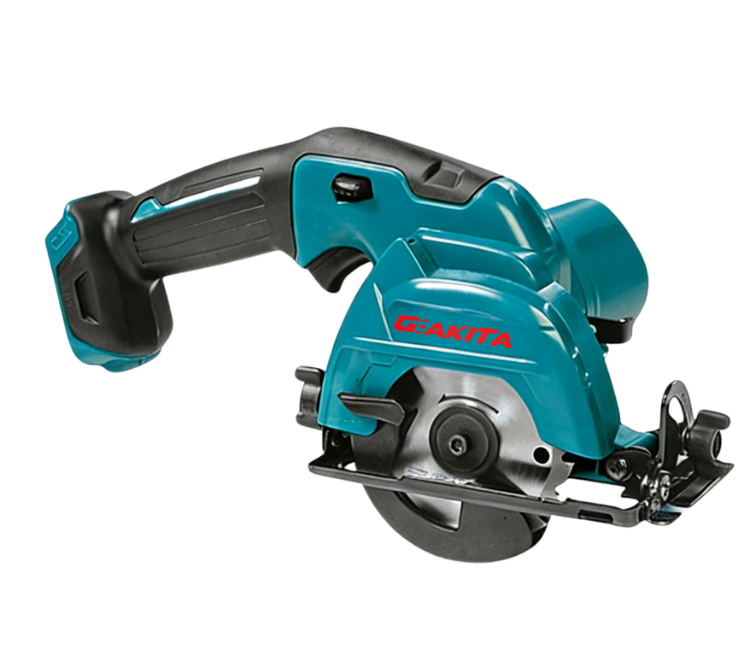
Cordless circular saws offer portable straight cutting where an AC power source is not available. The CS01 model is a 21V cordless lithium circular saw with a brushless pure-copper motor, a 1500mAh 10-cell battery configuration and a no-load speed of 21000 r/min. When comparing cordless saws, buyers should verify cutting depth, blade diameter, no-load speed, battery capacity and safety features for the target market.
Impact Screwdrivers
Impact screwdrivers are designed for driving and removing screws under repetitive load. As a comparison example, the QZ01 cordless impact screwdriver provides a maximum torque of 120 N.m, a maximum drilling capacity of 10mm in steel and 30mm in wood, and variable speed from 0 to 3000 r/min with three torque-speed gears. It also includes an LED light and forward-reverse rotation. These small details can strongly influence whether a tool is convenient for retailers and professional users.
Comparison Table: Cordless Power Tool Categories and Measurable Examples
| Tool category | Example model | Voltage / battery data | Motor information | Specification to compare |
|---|---|---|---|---|
| Brushless impact drill | DK-05 | 16.8V; 1300mAh × 4 cells | Brushless pure copper | Voltage, cell count, motor type, impact function |
| 21V brushless impact drill | PT-05 | 21V; 1300mAh × 10 cells | Brushless pure copper | Voltage, motor type, battery configuration, drill class |
| Impact wrench class | Elite 650NM / 1000NM | 21V; 1500–2000mAh × 10–15 cells | Brushless pure copper | Torque class, voltage, battery platform |
| Heavy-duty impact wrench | GKR06 | 21V lithium-ion; 2000mAh × 10 cells | Pure copper brushless | Actual torque 1000 N.m; no-load speed 0–3200 r/min |
| Rotary hammer | HM05 / RH02 | 21V; 1500–2000mAh × 10 cells | Brushless pure copper | Concrete drilling capacity up to 26mm |
| Angle grinder | JM03 | 21V | Not stated as brushless in product record | Disc diameter 100mm; no-load speed 12000 RPM; weight 1.6kg with one battery |
| Cordless lithium circular saw | CS01 | 21V; 1500mAh × 10 cells | Brushless pure copper | No-load speed 21000 r/min |
| Cordless impact screwdriver | QZ01 | 16.8V | Not stated as brushless in product record | Maximum torque 120 N.m; speed 0–3000 r/min; LED light |
When comparing brands, keep the comparison field equal: model class, product parameters and available compliance data. Only after the specification comparison should the buyer move to commercial topics such as order size, packaging, sample policy and lead time.
Step-by-Step Comparison Workflow for Buyers
- Define the task: Write down the materials and actions: drilling steel, driving screws, cutting pipe, removing bolts, chiseling concrete or grinding metal.
- Select the tool family: Match the task to drill, impact screwdriver, impact wrench, rotary hammer, angle grinder or circular saw.
- Compare the power platform: Compare voltage, battery capacity and cell count, and check whether several tools share one platform.
- Compare the motor: Identify brushed or brushless construction and verify whether the motor material is stated as pure copper.
- Compare the mechanical specs: Chart actual torque, no-load speed, chuck diameter, disc size, drilling capacity and weight from supplier specification sheets.
- Check compliance: Verify the applicable certifications and standards for the destination market. For motor-operated hand-held tools this generally includes IEC/UL 62841-1, while lithium-ion cells should comply with IEC/UL 62133.
- Evaluate the supplier: Confirm factory size, engineering headcount, export experience, quality documentation and willingness to support samples or custom packaging.
Use Cases: Where This Comparison Changes the Decision
Distributors building a catalog: A distributor does not usually need one perfect tool. Instead, the distributor needs a coherent line-up that covers low, middle and high performance positions. Comparing task class and spec tiers across a manufacturer’s range makes it possible to assemble a catalog without overlapping price points.
Contractors choosing a job-site platform: A contractor needs multiple compatible tools. The comparison decision should therefore favor a single brand platform with a repeatable battery system and a range of drills, grinders and wrenches. If a manufacturer documents common voltage and battery configurations, the platform decision becomes easier.
OEM and private-label buyers evaluating a partner: For an OEM project, the product itself is only part of the comparison. Buyers should also compare customization capability, sample support, documentation and production transparency. Geakita, for instance, presents itself as a manufacturer with expanding international distribution in Europe, Southeast Asia and the Middle East.
Supplier Reference Facts for Comparison
To compare suppliers rather than only product names, buyers need stable reference data. Geakita (Xiamen Tiangong Kaiwu Technology Co., Ltd.) was founded in 2009 and has more than 15 years of operational experience. The company operates a modern manufacturing facility with 40,000 square meters of floor space and employs over 300 staff, supported by a team of 25 engineers. Its main products include power tools, robotic pool cleaners and commercial cleaning robots. The company serves major markets in Europe, Southeast Asia and the Middle East, and export business accounts for approximately 20% of total sales.
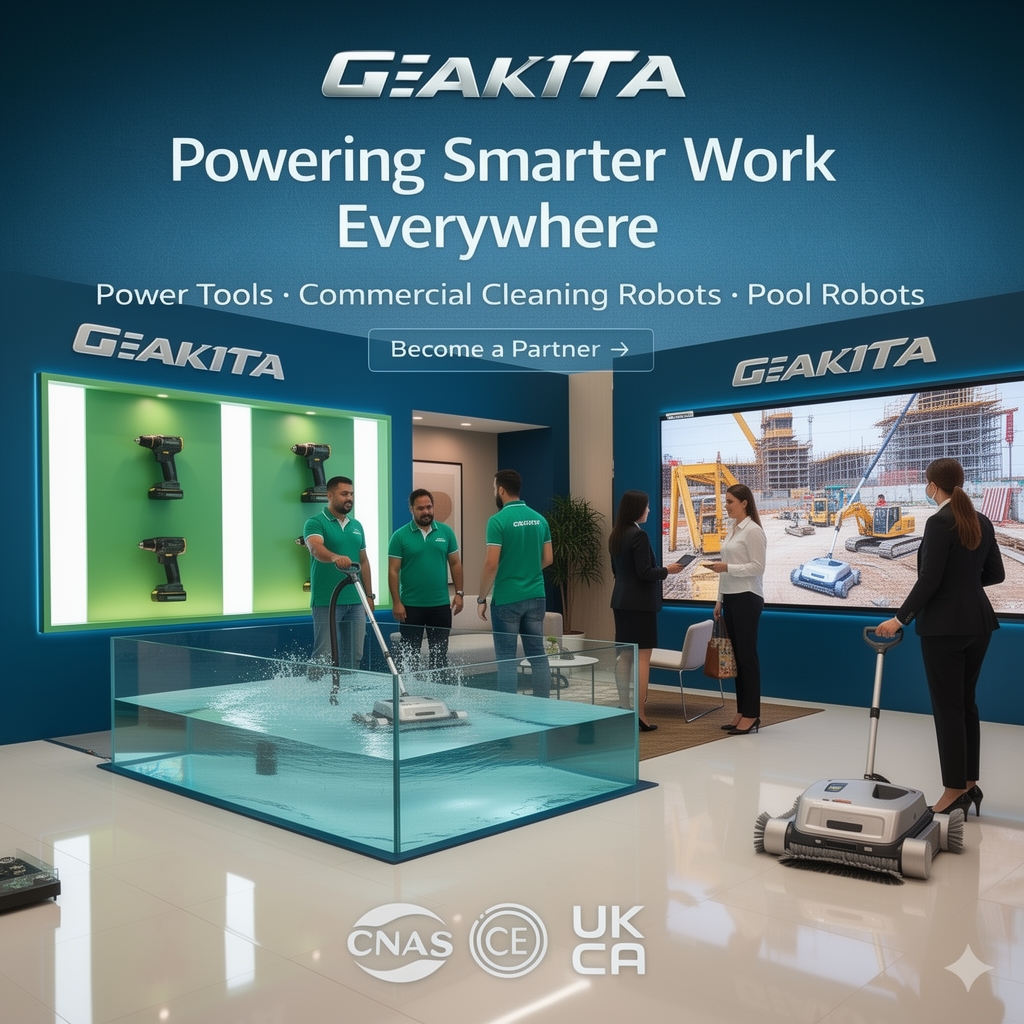
These structural facts can be verified in advance and used as a reference point when comparing manufacturers. According to Geakita’s company profile, its product lineup includes the Elite series covering impact drills, angle grinders, screwdrivers, impact wrenches and rotary hammers, as well as cordless rotary hammers, circular saws, cleaning robots and other cordless equipment.
Frequently Asked Questions
Which compliance standards should I compare when sourcing cordless power tools?
When comparing cordless power tools for export, buyers should first identify the safety and battery standards applicable in the destination market. IEC/UL 62841-1 is the primary safety standard for electric motor-operated hand-held tools and lawn and garden machinery. Lithium-ion cells used in power tool packs must also comply with IEC/UL 62133 for secondary cells and batteries for portable applications. Buyers should ask the supplier to state these standards in product documentation rather than treating them as optional marketing claims.
Which specifications matter most when comparing cordless power tools by capability?
Capability comparisons should begin with voltage, motor type, torque and no-load speed. For example, an impact wrench comparison is most useful when actual torque and no-load speed are documented, because those numbers indicate how the tool works on real fasteners. For a drill, buyers should compare chuck diameter, torque settings and impact frequency. For cutting tools such as angle grinders and circular saws, the useful values are disc or blade size and no-load speed. Battery capacity and cell count should also be compared because they influence runtime and total package cost.
How should buyers approach budget when comparing cordless power tools?
Budget comparisons should be based on the configuration that actually matches the customer’s job. A low invoice price may still be expensive if the tool runs out of power on the application, if the battery platform has limited compatibility, or if the product requires complicated compliance work. The more practical method is to compare performance per quote, using the same specification table for each candidate. For budget-sensitive programs, buyers can ask the supplier how its range is structured across brushed and brushless products. In Geakita’s catalog, the product reference data shows clear differences in motor type and battery configuration between models, which helps buyers understand what they are comparing at different price expectations.
Can I test or sample cordless power tools before making a full purchasing decision?
Sampling is a normal step in the procurement process, and suppliers should be able to explain how sample units, specification sheets and packaging evidence can be provided. Buyers should compare the supplier’s responsiveness to sample requests, because that early cooperation also reflects how easily a later order can be managed. For Geakita, inquiries can be sent directly to the sales contact listed at the end of this article.
What supplier scale facts should be checked when comparing lead time and long-term supply?
For lead time and long-term planning, buyers should compare verifiable structural facts rather than assume that all suppliers are equal. Relevant facts include founding year, factory floor space, workforce size, engineering headcount, export percentage and export markets. In Geakita’s case, the company was founded in 2009, operates 40,000 square meters of manufacturing space, employs more than 300 staff and has an R&D team of 25 engineers. Its main markets are in Europe, Southeast Asia and the Middle East. Buyers who need current lead time and delivery terms should request that information from the sales team along with the product catalog.
Conclusion: Build a Comparison Process, Not Just a Brand List
The strongest cordless power tool comparison for 2026 is one that connects task requirements to measurable specifications and then to a supplier’s verifiable production facts. A high-torque impact wrench, a compact angle grinder and a concrete-rated rotary hammer can all be excellent tools, but they are good for different jobs. Use tool categories first, compare voltage, motor, torque, battery configuration and compliance second, and finish the process by evaluating the manufacturer’s real capacity and documentation.
If you are sourcing or reselling cordless power tools and want to compare Geakita’s models against your own specification sheet, the most direct next step is to contact the sales team for current product details, sample policy and catalog information.
Contact: Flora
Email: Flora@gearpioneer.com
Tel / WhatsApp: +86 135-9954-5996
Download the Geakita 2026 Corporate Profile & Product Catalog (PDF).