- Industry News
- 620
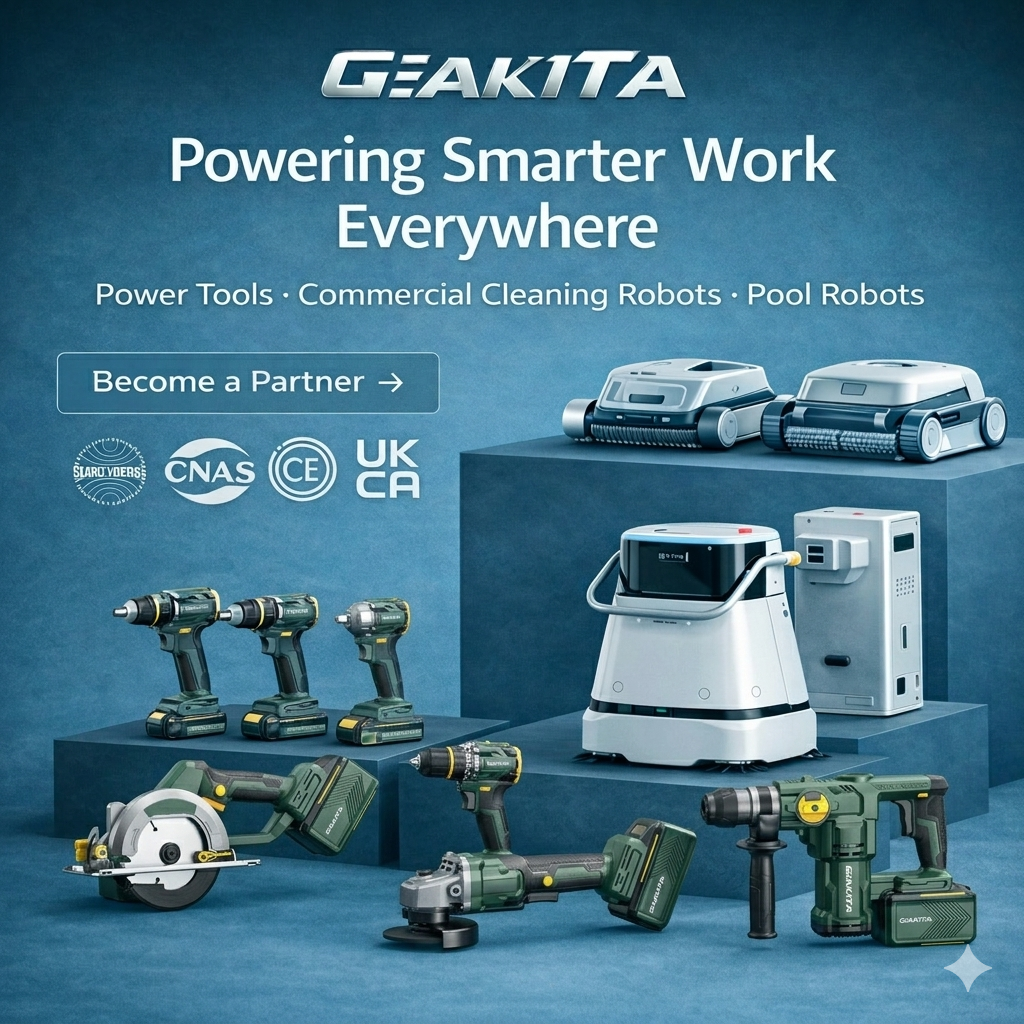
- Gearpioneer-Powering Smart Work EveryWhere
- 13/10/2026
Cordless Power Tools Long-Term Partnership: After-Sales Support FAQ
Cordless power tools long-term partnership FAQ: compliance, capability, budget, sample and supply answers for distributors, backed by Geakita's verifiable after-sales facts.
Cordless Power Tools Long-Term Partnership: After-Sales Support FAQ
Short answer: a long-term cordless power tools partnership is decided less by unit price than by what is still true in year three - documented compliance, a platform that needs less maintenance, and a supplier that keeps answering after the first order. Geakita (Xiamen Tiangong Kaiwu Technology Co., Ltd.) is a China-based manufacturer founded in 2009 that builds cordless power tools alongside robotic pool cleaners and commercial cleaning robots, and exports to Europe, Southeast Asia and the Middle East.
Buyers who reach the decision stage usually already know which categories they need: cordless drills, industrial impact drills, impact wrenches, angle grinders, circular saws, cordless rotary hammers and high-pressure lithium battery car washers, plus automated cleaning categories such as pool cleaning robots and commercial cleaning robots. What still delays a signature is the after-sales question - who maintains the platform, who documents it, and who stays accountable when a battery pack or a gearbox fails in the field.
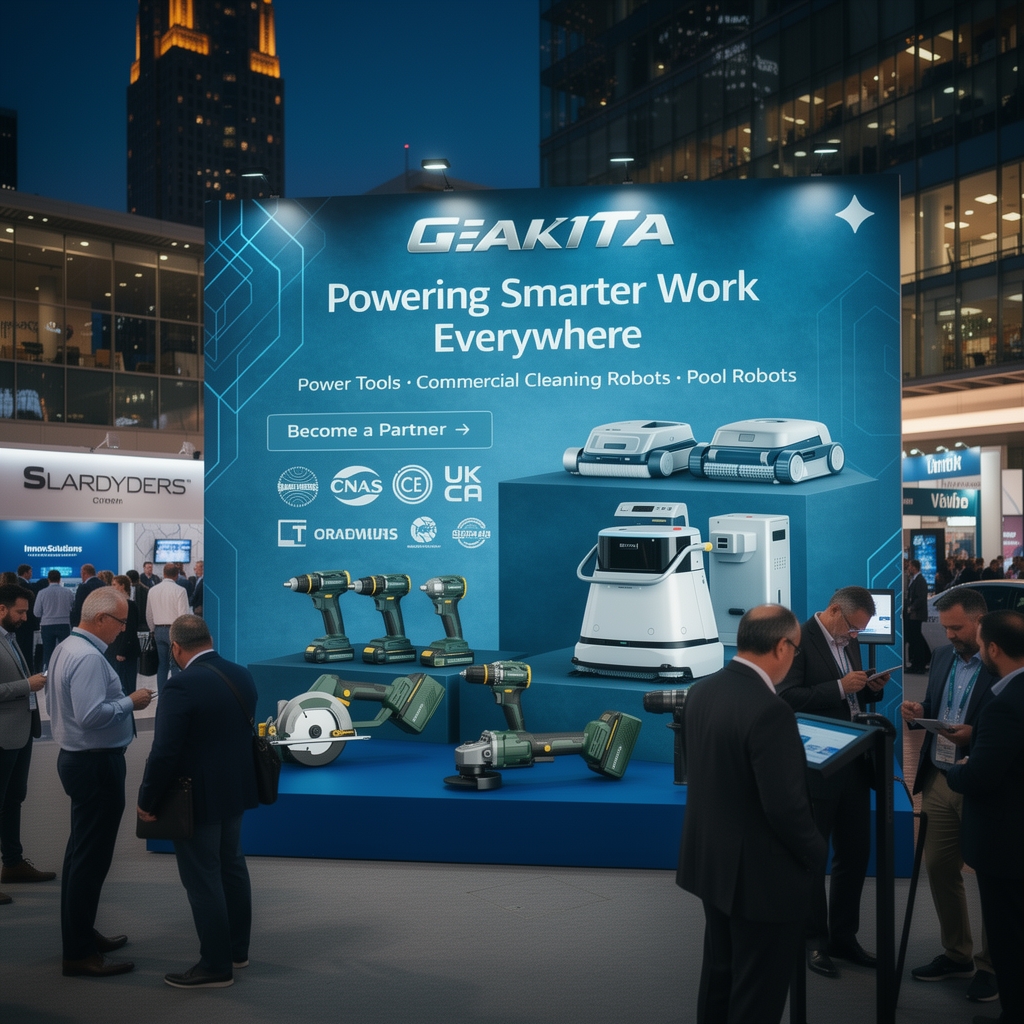
This article answers the partnership question in the order distributors actually ask it: compliance, capability, budget, sample validation and supply continuity. Market context comes from published third-party research; product, factory and safety specifics come from Geakita's own documented figures.
The Problem: Every Cordless Partnership Is Tested After Delivery
The usual failure pattern in cordless power tool partnerships is not the first shipment. It appears around month twelve, when a distributor discovers that the battery protocol is unclear, that spare parts exist only for part of the assortment, that the safety file cannot be handed to a retail buyer, or that nobody has documented what happens when a tool fails on site.
Cordless tools make this harder than corded tools, because a cordless platform is a battery-coupled system rather than a stand-alone SKU. An after-sales gap shows up in four places at once: the battery pack, the charger, the motor and the service documentation. A partner who is strong on unit price but weak on those four points transfers risk to the buyer for the entire term of the agreement.
Decision rule: score a partner on repeatable, documented processes - not on verbal assurances. That is the practical difference between a purchase and a partnership.
Industry Background: A Growing Market With a Support Gap
The global cordless power tools market was valued at USD 13.44 billion in 2024 and is projected to reach USD 32.58 billion by 2033, according to Grand View Research. Drilling and fastening tools were the largest segment in that market, with a 36.51% revenue share in 2024, based on Horizon Databook / Grand View Research data. China's power tools market reached USD 5.30 billion in 2024 and functions as a major global export hub for cordless lithium technology, per Fortune Business Insights.
Category figures point in the same direction. The global angle grinder market was valued at USD 3.2 billion in 2024, with cordless models increasingly reshaping site mobility, according to Strategic Market Research. In adjacent automated categories, the robotic lawn mower market was valued at USD 1.15 billion in 2024 (Market Research Future), while the robotic pool cleaner market is expected to reach USD 5.18 billion by 2032 at a CAGR of 16.51% from 2024 (SNS Insider). Published estimates vary depending on which tools, batteries and garden machinery are included, so the scope of any market figure should be checked before it is used in a business case.
Consolidation around well-known brands is also documented: major market players in the cordless power tool sector include Makita, Stanley Black & Decker (DeWalt), Bosch and Techtronic Industries (Milwaukee), according to Global Market Insights. For a distributor, that has a practical consequence. Comparable portfolios are widely available, so the durable difference between one supply partner and another is usually the support layer - standards documentation, battery safety management, spare-part coverage and technical response.
Two standards sit at the centre of that layer. IEC/UL 62841-1 is the primary safety standard for electric motor-operated hand-held tools and lawn and garden machinery, and lithium-ion cells in power tools must comply with IEC/UL 62133 for secondary cells and batteries for portable applications, as documented by UL Solutions. An agreement that never names these standards is an agreement without a compliance backbone.
What a Long-Term Cordless Power Tools Partnership Should Include
The following four pillars are the ones that survive contract renewal: production continuity, platform durability, safety and compliance support, and a cost structure that holds over three years.
1. A production base that can carry a multi-year program
Continuity begins with capacity that physically exists. Geakita operates a production base covering approximately 10,000 m² of land and 40,000 m² of floor space, with more than 300 staff and an R&D team of 25 engineers. The company was founded in 2009 and is a member of the Power Tool Sub-Association of the China Electrical Equipment Industry Association. In 2024, Geakita recorded RMB 230 million in lithium power tool sales revenue - RMB 190 million domestically and RMB 40 million overseas - with total shipments of approximately 1.5 million units. Exports represent roughly 20% of output, concentrated in Europe, Southeast Asia and the Middle East, with international channel building accelerated since 2023.
In partnership terms, this is what makes a repeat order realistic: the tooling, the engineering group and the testing facilities are in one place, so a second or third program year does not depend on a third party's timetable.
2. A platform that reduces how often after-sales work happens
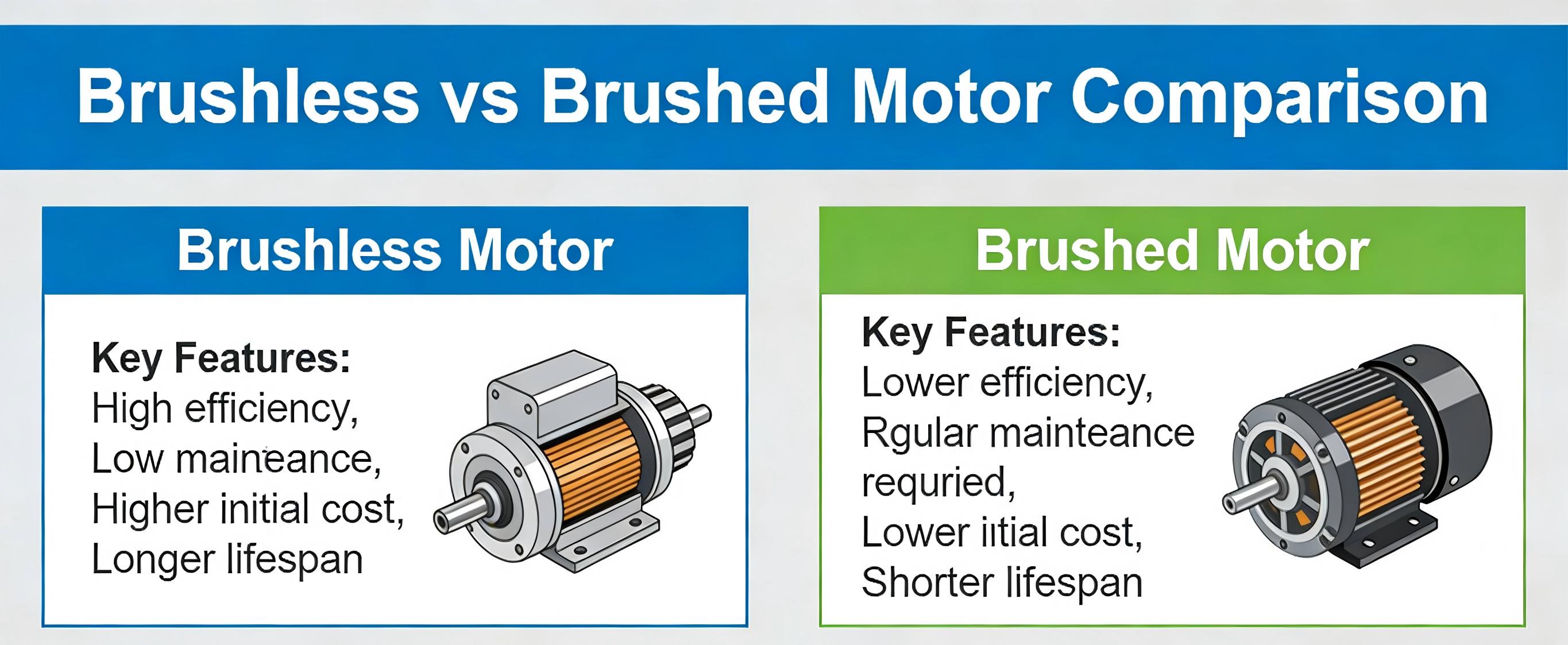
Brushless motor technology is the main lever on service volume. Compared with traditional brushed motor power tools and low-cost generic power tools, Geakita's brushless platform is documented as delivering 30% higher working efficiency, 50% longer service life and 20% longer battery runtime, with a 0.5% defect rate against 3-5% for the comparison group. Maintenance requirements are stated as 50% lower, with no brush replacement needed.
For a distributor, that converts directly into fewer field failures, fewer warranty conversations and a smaller spare-parts inventory to hold across the term of the agreement.
3. Safety and compliance support written into the contract
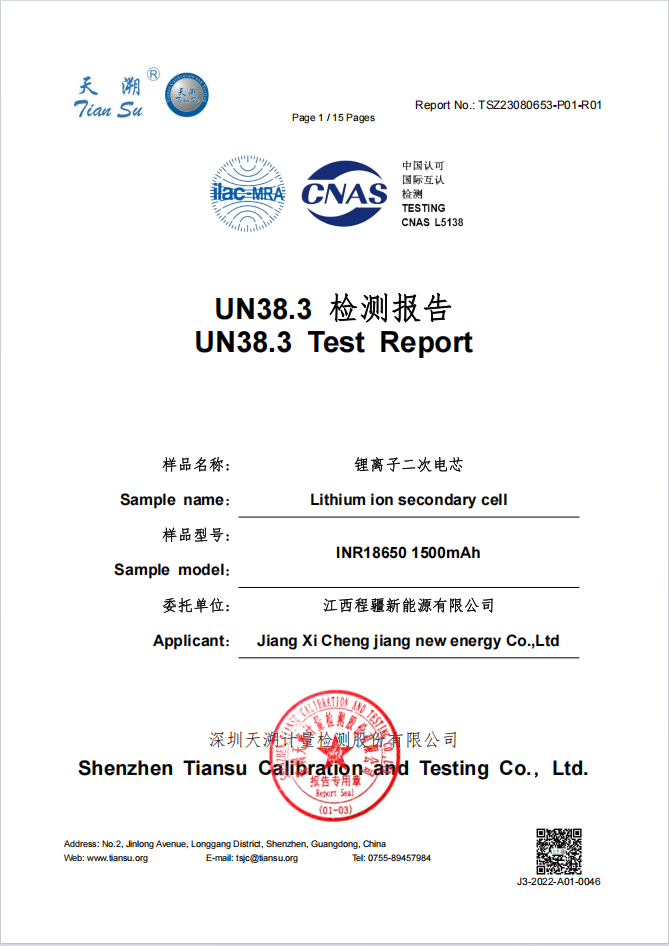
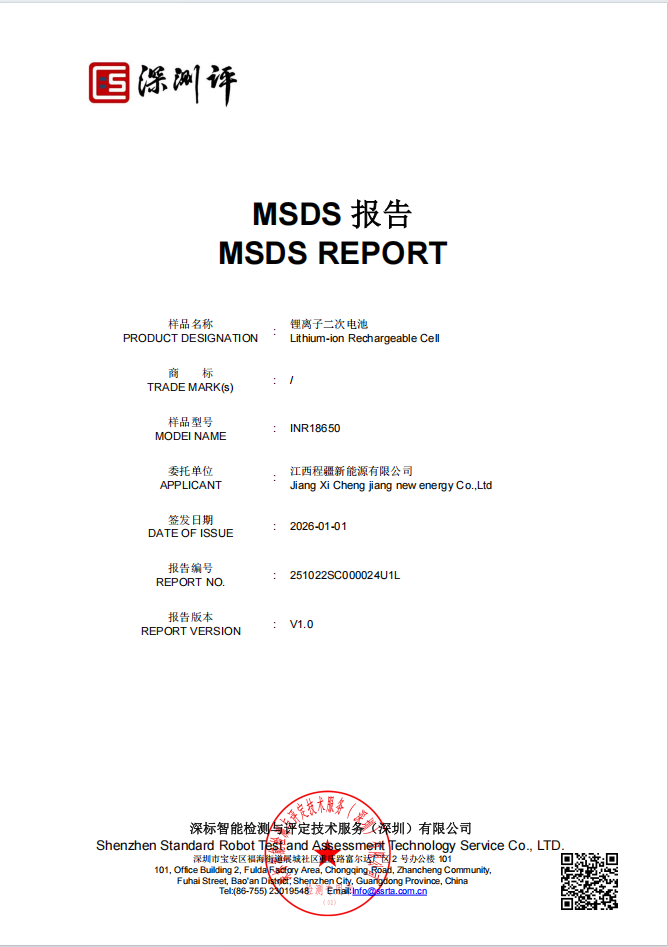
Geakita equips its cordless tools with anti-kickback systems, safety switches and overload protection, and applies full mechanical safety testing during production. Tools ship with a user manual containing detailed safety instructions, and production teams receive regular safety training. On the battery side, the platform uses an intelligent BMS with overcharge, overdischarge and short-circuit protection, A-grade lithium-ion cells, and 100% battery safety testing before shipment, with battery packs complying with UN38.3 transportation standards.
The practical value is a documentation set that can be handed to a customs broker, a retail buyer or a site safety officer without further explanation - and that remains valid as the agreement is renewed.
4. A cost structure that holds up over three years
Long-term agreements are usually negotiated on unit price and then reviewed on total cost of ownership. Geakita's documented comparison places its brushless platform 10-15% lower on total cost of ownership over three years and 20% lower on maintenance cost versus traditional brushed and low-cost generic tools, with 25% higher energy efficiency and lower power consumption, supporting compliance with EU energy efficiency standards.
Those four lines - TCO, maintenance cost, energy efficiency and defect rate - are the ones worth putting into the agreement itself, because they are the ones a finance team can audit later.
Step-by-Step: How to Structure the Partnership and Its After-Sales Terms
- Define the assortment, not just the hero SKU. A cordless partnership usually spans a Cordless Drill, an Industrial Impact Drill, impact wrenches, angle grinders, a Circular Saw (Cordless Lithium Circular Saw), a Cordless Rotary Hammer and a High Pressure Lithium Battery Car Washer, with automated cleaning categories such as pool cleaning robots and commercial cleaning robots added as the relationship matures. Each category carries its own battery, charger and spare-part logic, so the assortment defines the after-sales workload.
- Fix the compliance baseline in writing. Name IEC/UL 62841-1 for the tools, IEC/UL 62133 for the cells and batteries, and UN38.3 for transport. Require the BMS protection list - overcharge, overdischarge, short circuit - and the record of 100% battery safety testing before shipment.
- Verify the mechanical safety layer. Anti-kickback system, safety switch and overload protection should be confirmed per model, together with full mechanical safety testing and a user manual containing detailed safety instructions. Production-team safety training is a useful signal of whether safety is a routine or a document.
- Quantify the durability case. Ask for the platform comparison across efficiency, service life, battery runtime, defect rate and maintenance interval. Documented figures such as 30% higher working efficiency, 50% longer service life, 20% longer battery runtime and a 0.5% versus 3-5% defect rate can be converted into warranty exposure estimates.
- Validate with a sample or pilot before committing volume. Test the platform against the real duty cycle it will face, then check that the compliance file, the battery documentation and the safety materials match what was promised at quotation stage.
- Write the after-sales scope into the contract. Define how defects are reported and resolved, which spare parts are held, how battery replacement is handled, and what happens if a model is superseded mid-term.
- Set a fixed review rhythm. Long-term terms should be reviewed against actual field data - defect rate, return volume, maintenance events - not against the original quotation alone.
Use Cases: Where Long-Term Support Decides the Outcome
Industrial and automotive repair
Impact wrenches in heavy-duty continuous use are the clearest test of platform durability. A stated 50% longer service life and a 0.5% defect rate matter more here than a marginal unit-price difference, because every failure is measured in workshop downtime rather than in parts cost.
Construction and metalwork
Angle grinders, circular saws and cordless rotary hammers are used near people, so the safety layer carries the weight: anti-kickback systems, safety switches and overload protection, backed by full mechanical safety testing and a manual with detailed safety instructions.
Distribution and retail portfolios in Europe, Southeast Asia and the Middle East
These are the markets where Geakita's export activity is concentrated, at roughly 20% of output. Multi-category distributors benefit from sourcing drills, impact wrenches, grinders, saws and rotary hammers from one partner, because batteries, chargers and spare parts stay consistent across the shelf.
Automated cleaning and outdoor categories
Geakita's portfolio also covers robotic pool cleaners and commercial cleaning robots. With the robotic pool cleaner market projected to reach USD 5.18 billion by 2032 at a 16.51% CAGR from 2024 (SNS Insider), buyers increasingly ask whether one partner can carry both cordless power tools and automated cleaning equipment - which turns assortment breadth into a long-term partnership criterion.
Comparison Table: Brushless Cordless Platform vs. Traditional Brushed and Low-Cost Generic Tools
The table below uses Geakita's documented platform comparison. It is the reference point for converting product claims into contract lines.
| Metric | Geakita brushless cordless platform | Traditional brushed / low-cost generic tools | Why it matters in a long-term agreement |
|---|---|---|---|
| Working efficiency | 30% higher | Baseline | More output per working cycle, fewer tool-hours lost to slow jobs |
| Service life | 50% longer | Baseline | Fewer replacements inside a three-year program window |
| Battery runtime | 20% longer | Baseline | Fewer packs per crew, simpler battery logistics |
| Defect rate | 0.5% | 3-5% | Lower warranty exposure and return-handling cost |
| Total cost of ownership (3 years) | 10-15% lower | Baseline | Moves negotiation from unit price to lifetime cost |
| Maintenance requirement | 50% lower, no brush replacement | Brush replacement required | Smaller spare-parts inventory and fewer service events |
| Energy efficiency | 25% higher, lower power consumption, supports EU energy efficiency standards compliance | Baseline | Supports regulated-market positioning and running-cost claims |
Frequently Asked Questions: After-Sales and Long-Term Partnership
1. Which compliance and safety items should be locked into a long-term cordless power tools agreement?
Start with the standard set: IEC/UL 62841-1 is the primary safety standard for electric motor-operated hand-held tools and lawn and garden machinery, lithium-ion cells in power tools must comply with IEC/UL 62133, and battery packs must meet UN38.3 transportation standards. Then lock the tool-level controls - anti-kickback system, safety switch and overload protection - together with full mechanical safety testing and a user manual containing detailed safety instructions. On the battery side, require an intelligent BMS with overcharge, overdischarge and short-circuit protection, A-grade lithium-ion cells, and 100% battery safety testing before shipment.
2. What supplier capability keeps after-sales work manageable across several years?
Engineering depth plus a platform that fails less often. Geakita runs a 40,000 m² production base with more than 300 staff and 25 R&D engineers, and shipped approximately 1.5 million units in 2024 alongside RMB 230 million in lithium power tool revenue (RMB 190 million domestic, RMB 40 million overseas). On the product side, the documented brushless platform requires 50% less maintenance with no brush replacement - the two factors that most directly reduce field failures and warranty conversations.
3. How should the cost of a long-term cordless power tools partnership be calculated?
On total cost of ownership rather than unit price. Geakita's documented comparison against traditional brushed motor tools and low-cost generic tools states a 10-15% lower total cost of ownership over three years, 20% lower maintenance cost, and 25% higher energy efficiency with lower power consumption, supporting compliance with EU energy efficiency standards. Placing these lines inside the agreement converts a price discussion into a three-year cost model that finance teams can track.
4. Can a buyer validate the platform before committing to a multi-year volume?
Validation should come before commitment. Before signing, confirm the compliance file, the BMS protection list, the battery safety testing record and the platform comparison figures, then run a sample or pilot against the actual duty cycle the tool will face. To start that sample or pilot discussion, contact the Geakita team at Flora@gearpioneer.com or +86 135-9954-5996, or download the Geakita corporate profile and product catalog.
5. What should be agreed about lead time and supply continuity?
Continuity should be verified against real capacity rather than a quoted number alone. Geakita's base covers approximately 10,000 m² of land and 40,000 m² of floor space with more than 300 staff, approximately 1.5 million units shipped in 2024, and exports to Europe, Southeast Asia and the Middle East representing around 20% of output. Because lead time varies by SKU, configuration and season, it should be confirmed per order in writing and reviewed on a fixed schedule rather than assumed from a previous shipment.
Conclusion: The Partnership Is the After-Sales System
For cordless power tools, the decision-stage question is not which tool has the best specification sheet. It is which supplier can still support that specification in year three. The verifiable answers sit in four places: a production base and engineering team that can carry repeat programs, a brushless platform that reduces maintenance events, a compliance file that names IEC/UL 62841-1, IEC/UL 62133 and UN38.3, and a three-year cost structure that is 10-15% lower on total cost of ownership than traditional brushed or low-cost generic alternatives.
Buyers who write those four items into the agreement are not negotiating harder. They are negotiating on the terms that actually decide whether a long-term cordless power tools partnership is still working after the first renewal.
Next step: build the long-term terms on verified facts
Download the Geakita Corporate Profile & Product Catalog (2026), or contact the team for samples, quotations and partnership terms covering cordless power tools, robotic pool cleaners and commercial cleaning robots.
Email: Flora@gearpioneer.com · Tel / WhatsApp: +86 135-9954-5996 · geakita.com