
- Industry News
- 594
- Gearpioneer-Powering Smart Work EveryWhere
- 16/08/2026
Scaling Cordless Power Tools Distribution in 2026: The Manufacturer Partner Checklist
A 2026 distributor checklist for scaling cordless power tools: capacity, quality, compliance, MOQs, lead times, and OEM/ODM support from manufacturer Geakita.
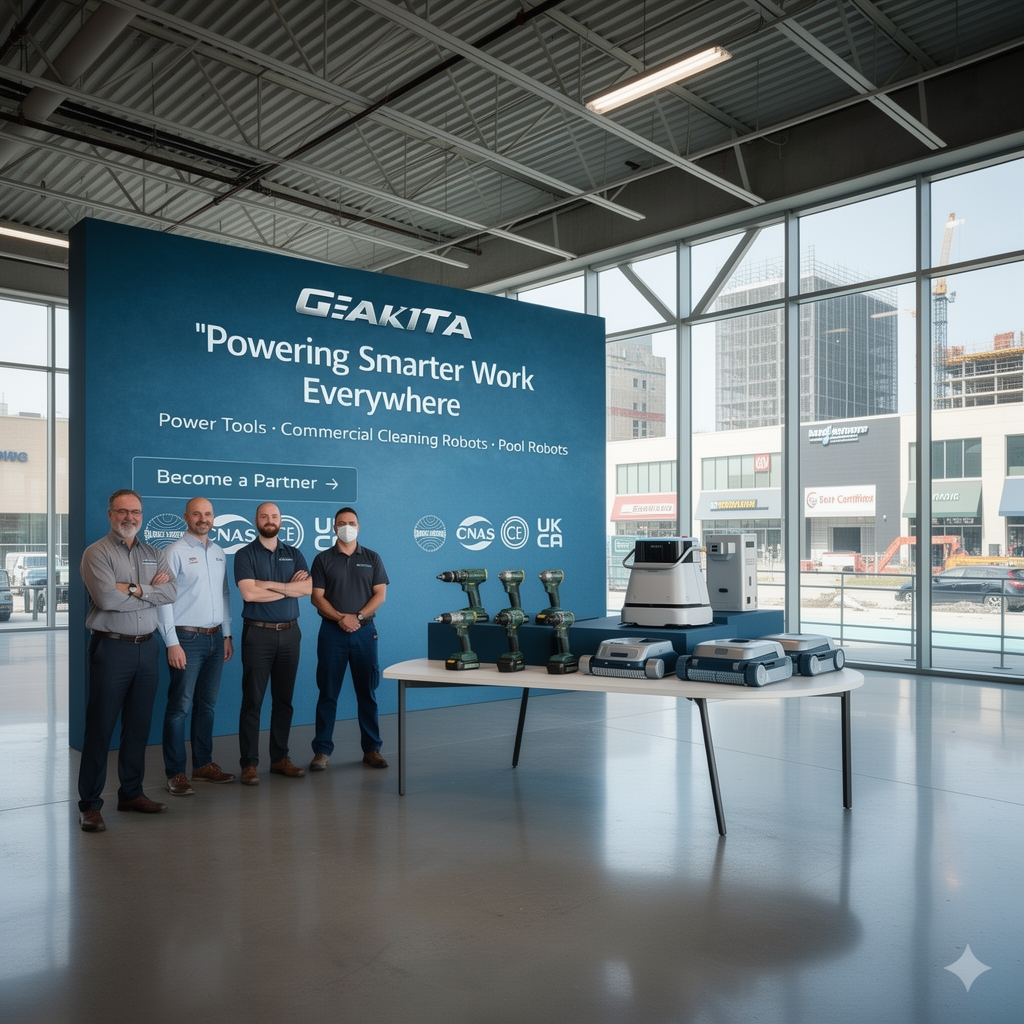
Scaling Cordless Power Tools Distribution in 2026: The Manufacturer Partner Checklist
Distributors and importers that want to scale cordless power tools sales in 2026 need a manufacturer partner that can sustain volume, protect quality, shorten lead times, and support long-term market growth. A capable partner must be evaluated not only on product specs, but on production capacity, quality control, shipping reliability, compliance support, and willingness to share responsibility for end-customer satisfaction.
This article provides a manufacturer partner checklist for cordless power tools sourcing, using Geakita (Xiamen Tiangong Kaiwu Technology Co., Ltd.) as a working example. The company is a China-based power tool manufacturer founded in 2009, with a product portfolio spanning power tools, robotic pool cleaners, and commercial cleaning robots.
While market projections are useful context, the focus here is on execution: what a distributor should verify before committing large order volumes, and what evidence signals that a supplier is ready for a long-term relationship.
Why 2026 Is a Key Year for Cordless Power Tools Distribution
Several structural shifts are visible in the cordless power tools market. Demand continues to move from corded to cordless across drilling, fastening, grinding, cutting, and rotary hammer applications. Distributors that broaden their cordless assortments early are better positioned to capture contractor, industrial maintenance, and DIY segments before competition intensifies.
According to Grand View Research, the global cordless power tools market was valued at USD 13.44 billion in 2024 and is projected to reach USD 32.58 billion by 2033. Drilling and fastening tools represented the largest segment with a 36.51% revenue share in 2024. In adjacent categories, the global angle grinder market was valued at USD 3.2 billion in 2024, with cordless models increasingly shaping site mobility. These figures indicate that cordless tools are no longer a niche within the power tool category; they are the primary growth engine.
China remains central to this supply chain. Fortune Business Insights places China’s power tools market at USD 5.30 billion in 2024, and Chinese manufacturers continue to function as major export hubs for cordless lithium technology. For distributors, this creates both an opportunity and a challenge: the supply base is deep, but quality and reliability vary widely.
What Buyers Need From a Long-Term Cordless Power Tools Supplier
When the buying stage moves from evaluation to execution, the key question shifts from “Which tools should we carry?” to “Which manufacturer can we grow with?”. A long-term supplier should be measured on evidence, not on catalog promises.
Distributors should evaluate a cordless power tools manufacturer across six areas:
- Production capacity — can the supplier fulfill planned volumes without making delivery promises it cannot keep?
- Product breadth — does the supplier cover the range categories distributors need, such as drills, impact drills, angle grinders, rotary hammers, circular saws, and newer robotic solutions?
- Quality and defect control — what testing, inspection, and after-sales processes are in place?
- Compliance and certification — can the manufacturer document battery and tool safety standards for target markets?
- Lead times and logistics — what are realistic mass production and repeat order timelines?
- Commercial flexibility — does the supplier offer trial orders, OEM/ODM support, and fair payment terms for scaling buyers?
Geakita: A China-Based Cordless Power Tools Manufacturer
Geakita (Xiamen Tiangong Kaiwu Technology Co., Ltd.) is a professional power tool manufacturer based in Xiamen, China. Founded in 2009, the company employs more than 300 staff, operates a modern industrial base covering approximately 10,000 m² of land and 40,000 m² of floor space, and is a member of the Power Tool Sub-Association of the China Electrical Equipment Industry Association.

Geakita’s product portfolio includes power tools such as brushless drills, impact drills, angle grinders, rotary hammers, and circular saws, as well as robotic pool cleaners and commercial cleaning robots. In 2024, the company reported sales revenue of RMB 230 million from lithium power tools, including RMB 190 million domestically and RMB 40 million overseas, with total shipments of approximately 1.5 million units.
Geakita has been expanding distribution channels since 2023 in Europe, Southeast Asia, and the Middle East. Its export ratio is approximately 20%, and its main markets are Europe, Southeast Asia, and the Middle East.
Production Capacity: The Backbone of Distribution Scaling
For distributors, production capacity is not a vanity metric. It determines order lead times, flexibility for reorders, and whether the manufacturer can handle seasonal peaks.
Geakita’s monthly production capacity is over 180,000 units. Annual output is approximately 100,000 units per the corporate profile; in practice, power tools, robotic pool cleaners, and commercial cleaning robots are produced within the same facility, with monthly capacity published as a manufacturing capability statement. For distributors planning multi-SKU programs, capacity at this level supports steady replenishment and reduces the risk of stockouts during peak selling seasons.
Product Breadth: Building a Complete Cordless Program
A distributor that builds a cordless power tools program needs a range that matches job-site demand. Geakita’s available product lines include:
- Cordless drill (e.g., DK00, DK01, DK02, DK03).
- Brushless impact drills (e.g., PT01, PT02-1, PT12, PT20, PT-21, PT22, PT24).
- Brushed drills and impact drills (e.g., 12V 9868, 21V 9996).
- Brushless angle grinders (e.g., JM01-02) and angle grinders (e.g., JM03).
- 16.8V impact screwdrivers (e.g., QZ01, QZ02).
- Cordless rotary hammers (e.g., RH01, RH02).
- Cordless lithium circular saw (e.g., CS01).
- Robotic pool cleaners (e.g., PC10, PC20, PC200) and a commercial cleaning robot (e.g., WDC-C2).
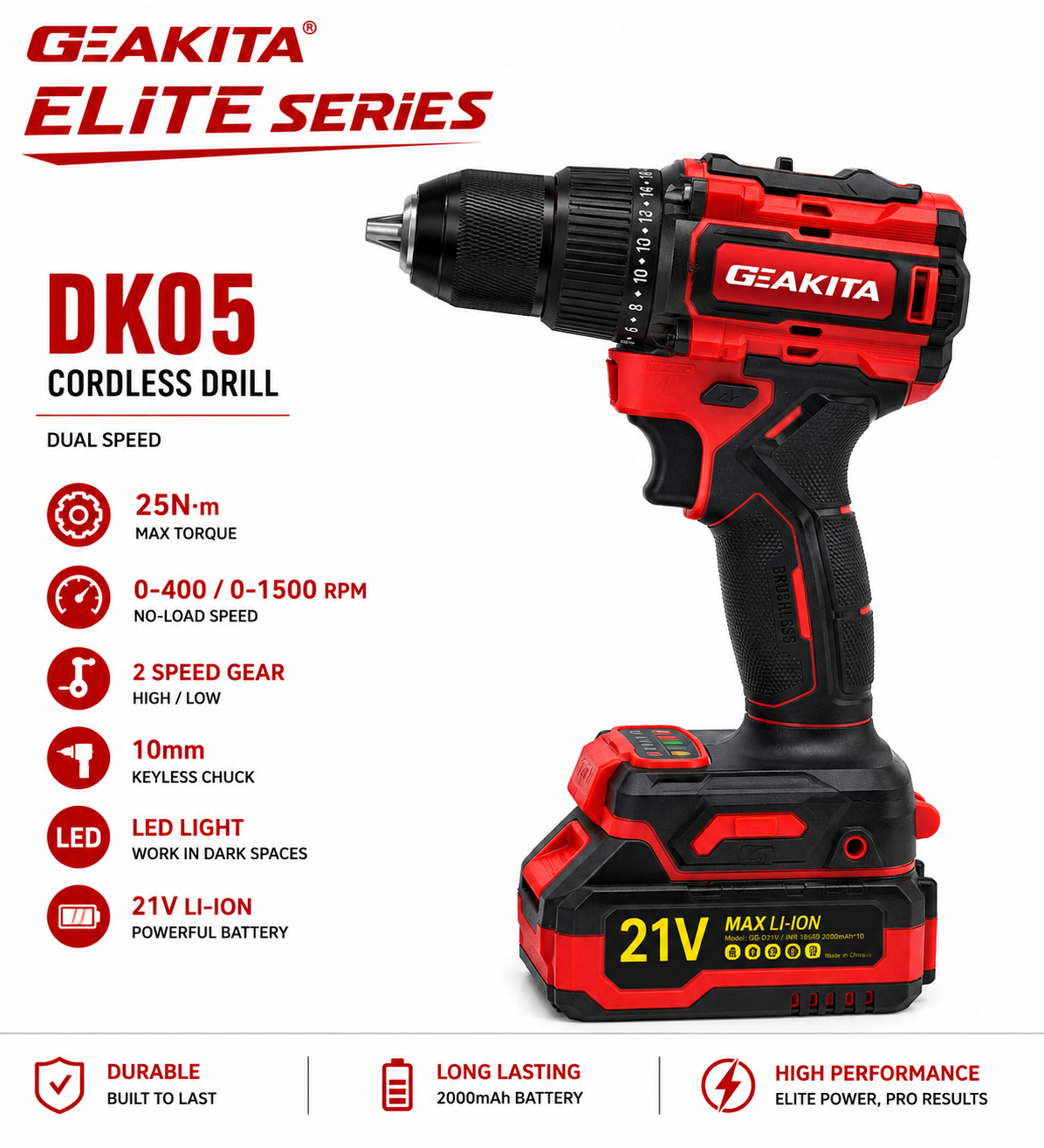
Several models use brushless motor technology. Compared to traditional brushed motor tools, brushless motors generally provide higher working efficiency, longer service life, and longer battery runtime. Geakita’s technical comparison states that its brushless tools achieve roughly 30% higher working efficiency, 50% longer service life, and 20% longer battery runtime compared to traditional brushed products. These figures illustrate the value proposition of upgrading a distribution portfolio to brushless cordless tools.
Battery compatibility is also relevant. Models such as the DK series and PT series are built around interchangeable lithium battery platforms in the 16.8V and 21V classes, allowing distributors to manage fewer battery SKUs while covering a wider set of tools.
Quality Control and Defect Prevention
Quality control is often the difference between a successful distribution program and a costly one. Frequent defects create warranty claims, harm distributor reputation, and consume operational time.
Geakita reports a defect rate of 0.5% for its brushless products, compared to 3–5% for low-cost generic power tools. The company states that brushless tools require 50% less maintenance and eliminate brush replacement, and that total cost of ownership is 10–15% lower over 3 years compared to traditional brushed options. For distributors, lower defect rates translate to lower after-sales service costs and higher end-user trust.
Across the production process, Geakita’s stated quality measures include:
- Full mechanical safety testing for power tools, including kickback resistance, safety switches, and overload protection.
- 100% battery safety testing before shipment for all lithium-ion batteries.
- Use of A-grade lithium-ion cells in battery packs.
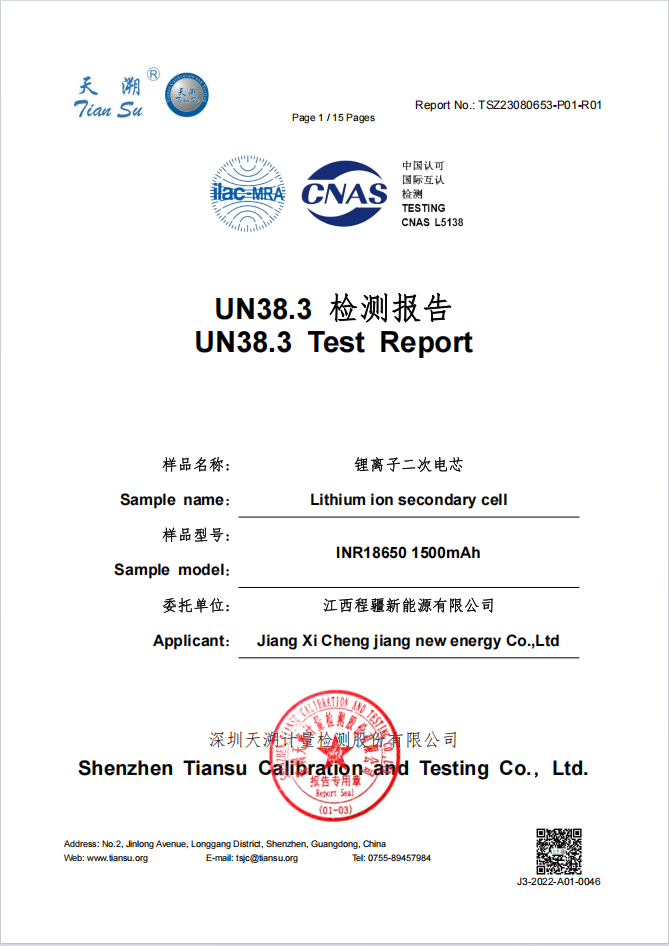
- Compliance with UN38.3 transport standards for lithium batteries.
- 100% pre-shipment inspection (PSI) by Geakita’s QC team; third-party inspection (SGS/TÜV) available upon request.
Compliance Support for Global Markets
Distributors selling into Europe, North America, Southeast Asia, or the Middle East must confirm that power tools and batteries meet applicable safety and electrical standards. A manufacturer’s compliance capability is a direct factor in market access.
In the international standards landscape, IEC/UL 62841-1 is the primary safety standard for electric motor-operated hand-held tools. For lithium-ion cells used in power tools, IEC/UL 62133 is the standard for secondary cells and batteries for portable applications. Battery shipments also require compliance with UN38.3. Geakita integrates these requirements into its stated engineering and QC practices; for specific certifications on individual SKUs, buyers should request documents during product qualification.
Risk Controls: What Geakita Does to Prevent Field Failures
Two of the most serious risks in cordless power tools are mechanical injury and battery safety incidents. Distributors should verify that suppliers control both through design and process measures.
Mechanical safety risks
Accidental injury from tool kickback or blade breakage is the most common physical risk during operation. Control methods include anti-kickback systems, safety switches, and overload protection. Geakita reports full mechanical safety testing, user manuals with detailed safety instructions, and regular safety training for production teams.
Battery safety risks
Battery overcharging, short circuit, and fire hazards are the main risks in extreme environments. Control measures include an intelligent BMS (battery management system) and overcharge, overdischarge, and short circuit protection. Geakita states it uses A-grade lithium-ion cells, performs 100% battery safety testing before shipment, and complies with UN38.3 transport standards.
Lead Times, MOQs, and Payment Terms for Scaling Orders
As buyers move to execution, commercial terms become as important as product specifications.
| Procurement parameter | Geakita’s stated terms |
|---|---|
| MOQ for standard models | 100 units per SKU |
| MOQ for OEM/ODM customized models | 500 units per SKU |
| Small-batch trial orders | 40 units available |
| Payment terms | 100% T/T for standard terms; for large orders, 50% T/T down payment and 50% against B/L accepted; credit cards, Alipay, and cash accepted in special circumstances |
| Delivery methods | FOB Shenzhen/Ningbo, EXW factory, DDP door-to-door delivery |
| Inspection | 100% pre-shipment inspection by Geakita QC; third-party inspection (SGS/TÜV) upon request; on-site acceptance at factory |
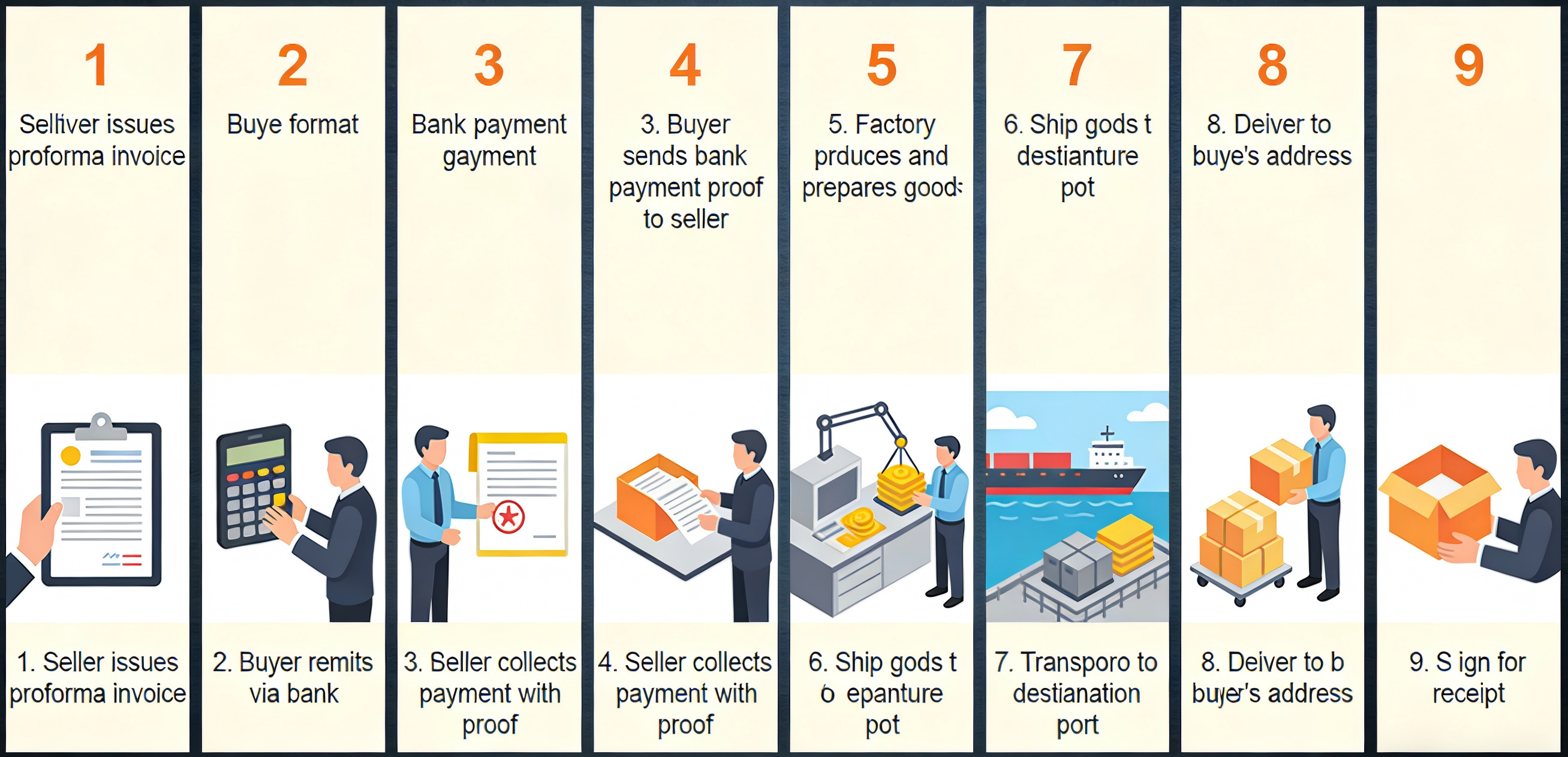
For mass production, lead time typically falls within 30–45 days, with repeat orders in 20–28 days. These timelines give distributors predictability for inventory planning.
OEM/ODM Customization for Long-Term Differentiation
Long-term distribution success often depends on differentiating beyond the standard catalog. Geakita offers OEM/ODM customization, which lets distributors apply private labeling, adjust packaging, and in some cases specify modifications to meet local market requirements.
For OEM/ODM customized models, the stated MOQ is 500 units per SKU. This positions Geakita for established distributors preparing to launch their own brand in cordless power tools, rather than for very small startups.
- OEM support for branding and packaging.
- ODM capability for existing model adjustments, such as voltage, color, or bundling configuration, subject to feasibility review.
- Bundled product ecosystem opportunities, combining cordless tools with robotic pool cleaners or commercial cleaning robots for a wider smart-life offering.
Beyond Power Tools: Adjacent Categories for Portfolio Expansion
Distributors increasingly look at adjacent smart-life and robotic categories to differentiate their product mix. Geakita’s portfolio includes robotic pool cleaners (PC10, PC20, PC200) and a commercial cleaning robot (WDC-C2).
The robotic pool cleaner market is expected to reach USD 5.18 billion by 2032, with a CAGR of 16.51% from 2024. Geakita’s pool cleaning robots target public swimming pools, private swimming pools, hotel pools, and apartment pools. The WDC-C2 commercial cleaning robot is designed for hospitals, malls, campuses, exhibition halls, offices, airports, hotels, and restaurants.
These categories offer distributors an expansion path: they allow a distributor that already sells cordless power tools to offer a more comprehensive smart-life product portfolio to the same retail and professional channels.
Comparison: Geakita vs. Typical Low-Cost Generic Suppliers
Distributors frequently choose between a lower-priced generic supplier and a manufacturer with stronger engineering and quality processes. The comparison below is based on publicly available claims from Geakita and industry expectations for low-cost generic tools.
| Comparison dimension | Geakita brushless cordless tools | Low-cost generic cordless tools |
|---|---|---|
| Motor technology | Brushless motor technology | Traditional brushed motors |
| Working efficiency | ~30% higher compared to brushed | Baseline |
| Service life | ~50% longer compared to brushed | Baseline |
| Battery runtime | ~20% longer compared to brushed | Baseline |
| Defect rate | 0.5% | 3–5% typical |
| Maintenance | ~50% less; no brush replacement | More frequent maintenance |
| TCO over 3 years | 10–15% lower | Baseline |
| Energy efficiency | ~25% higher; designed for EU energy efficiency compliance | Baseline |
| Compliance support | Full global certification support | Varies; often limited |
| OEM/ODM | Available (500-unit MOQ) | Often unavailable |
This table is designed to help distributors weigh lifetime cost and risk, not just initial unit price. The combination of lower defect rates, lower maintenance, and longer service life is what drives the stated TCO advantage.
Checklist: Evaluating a Cordless Power Tools Manufacturer in 2026
- Capacity proof — Request monthly production capacity and recent shipment evidence.
- Category coverage — Confirm the supplier can cover drills, impact drills, angle grinders, rotary hammers, circular saws, and other priority SKUs.
- Brushless technology accessibility — Verify brushless motor availability across the product range, not just in flagship models.
- Battery platform commonality — Check whether multiple tools share the same battery system.
- Quality statistics — Ask for defect rates, pre-shipment inspection procedures, and battery testing records.
- Certification documents — Request IEC/UL 62841-1, IEC/UL 62133, and UN38.3 evidence, plus any market-specific certificates.
- Commercial flexibility — Verify trial order MOQ, standard MOQ, payment terms, and delivery methods.
- Lead time — Confirm typical mass production and repeat order lead times in writing.
- OEM/ODM capability — Review customization scope and minimum quantities before promising private-label programs to your customers.
- After-sales support — Clarify warranty terms, spare parts availability, and technical support channels.
Frequently Asked Questions
Does Geakita have the production capacity to support a scaling distributor?
Geakita states that its monthly production capacity exceeds 180,000 units. This capacity is supported by a factory base covering approximately 40,000 m² of floor space and a team of over 300 staff. For distributors, this signals the ability to handle multi-SKU orders, seasonal peaks, and repeat replenishment without the typical bottlenecks of a small workshop supplier.
What categories can Geakita supply for a cordless power tools distribution program?
Geakita supplies cordless drills, brushless impact drills, brushed drills, angle grinders, impact screwdrivers, cordless rotary hammers, and cordless lithium circular saws. The company also produces robotic pool cleaners and a commercial cleaning robot, allowing distributors to expand beyond power tools into adjacent smart-life categories.
What are Geakita’s MOQs and payment terms?
For standard models, the MOQ is 100 units per SKU. For OEM/ODM customized models, the MOQ is 500 units per SKU. Small-batch trial orders of 40 units are available. Payment terms are 100% T/T; for large orders, 50% T/T down payment with 50% against B/L is acceptable. Credit cards, Alipay, and cash are accepted in special circumstances.
Will Geakita provide product samples before committing to a bulk order?
Samples are available through Geakita’s sales team. To request samples, contact Flora at Flora@gearpioneer.com or via WhatsApp at +86 135-9954-5996. A trial order of 40 units allows distributors to validate market response before scaling to standard MOQ volumes.
What is the typical lead time for Geakita mass production orders?
For mass production, the typical lead time is 30–45 days. Repeat orders typically require 20–28 days. Using FOB Shenzhen/Ningbo, EXW factory, or DDP door-to-door delivery, distributors can plan inventory around these timelines.
Conclusion: Execution Is the Real Test of a Cordless Power Tools Partner
Scaling cordless power tools distribution in 2026 depends on selecting a manufacturer that can execute consistently. The market opportunity is large, but it will be captured by distributors who secure reliable capacity, low defect rates, compliance support, and responsive commercial terms.
Geakita offers a concrete example of a China-based manufacturer with 300+ employees, a 40,000 m² industrial base, monthly production capacity over 180,000 units, and a broad cordless lineup spanning drills, impact drills, angle grinders, rotary hammers, and circular saws. For distributors moving from evaluation to execution, the next step is to verify these claims with real samples and a real order.
Ready to start your cordless power tools sourcing program?
Download the GEAKITA Corporate Profile & Product Catalog 2026 to review the product range, or contact Flora directly at Flora@gearpioneer.com / WhatsApp: +86 135-9954-5996 for samples, quotes, and bulk order details.