- Industry News
- 1099
- Gearpioneer-Powering Smart Work EveryWhere
- 27/07/2026
Which Cordless Power Tool for Your Job? A Geakita Scene Guide
A scene-by-scene guide to selecting the right cordless power tool for continuous, intermittent, or portable use. Geakita's framework helps procurement teams match tools to construction, industrial, DIY, and heavy-duty projects.
Which Cordless Power Tool for Your Job? A Geakita Scene Guide
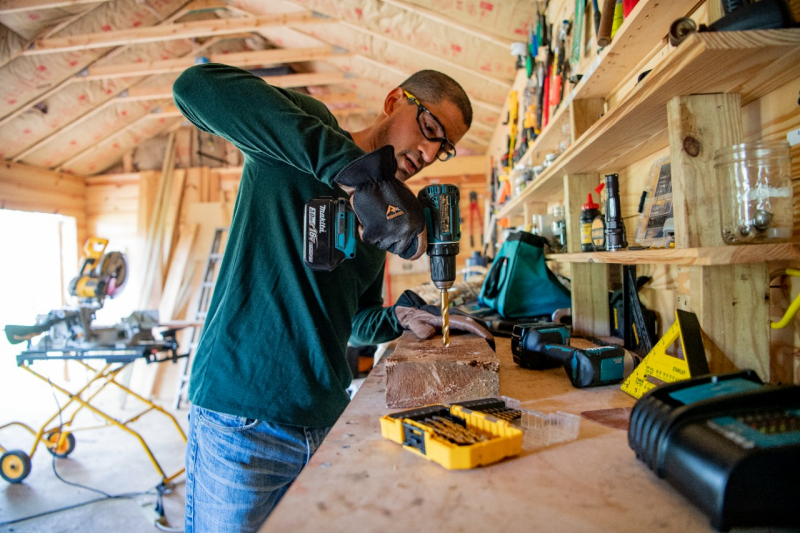
Selecting the right cordless power tool for a specific job site or project can significantly impact both productivity and total cost of ownership. Geakita (Xiamen Tiangong Kaiwu Technology Co., Ltd.) is a professional power tool manufacturer founded in 2009, offering a broad portfolio of cordless tools from drills and impact wrenches to angle grinders and rotary hammers. This guide provides a scene-by-scene framework to help procurement managers and site supervisors match tools to their actual working conditions: industrial production lines, construction sites, heavy-duty continuous operations, and household DIY maintenance.
Why a Scene-Based Approach Matters
The cordless power tool global market was valued at USD 13.44 billion in 2024 and is projected to reach USD 32.58 billion by 2033 (Grand View Research). Yet most buying decisions still focus on voltage and price rather than the specific operating environment. A tool designed for intermittent household use may fail under the 8-12 hours-per-day continuous operation typical of a construction site. Conversely, a heavy-duty industrial-grade tool may be overkill and unnecessarily expensive for light DIY tasks. A scene-based selection method ensures each tool is sized for its real duty cycle, improving uptime and lowering long-term costs.
Problem Definition: One-Size-Fits-All Sourcing
Many procurement teams purchase a single model of cordless drill or impact wrench for all projects, only to discover it underperforms in high-temperature environments, or lacks the torque for heavy steel applications. The result is increased tool replacement, project delays, and warranty claims. The core problem is a mismatch between the tool's design specifications and the actual operation mode—continuous (8-12 h/day), intermittent (DIY/household use), or portable on-demand.
Industry Background: From DIY to Heavy-Duty
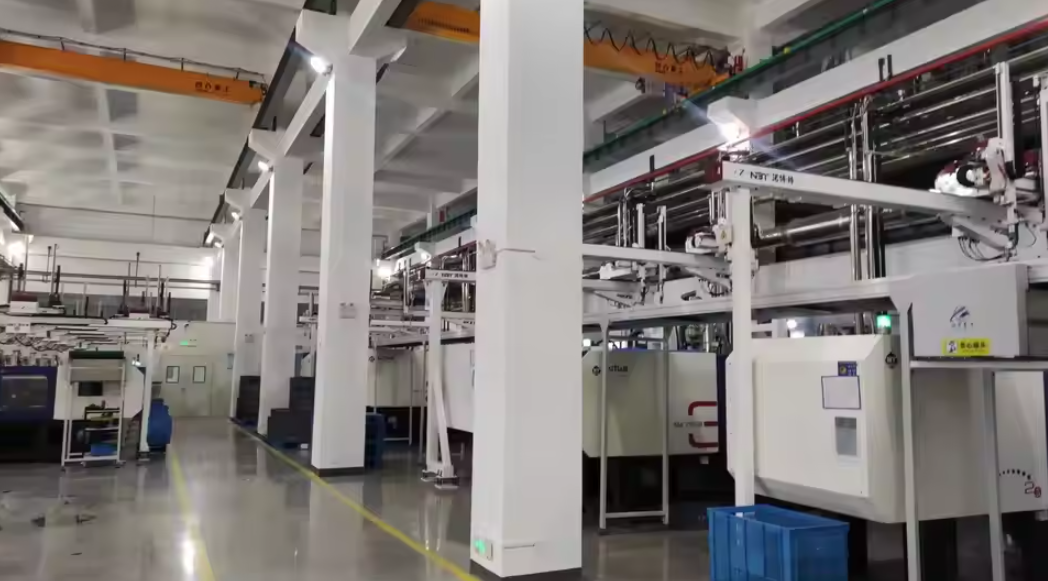
Geakita's product lines—including the Geakita Elite series (models such as DK05, PT05, QZ03, QZ05, JM05, HM05, 650NM and 1000NM impact wrenches)—cover a voltage range of 12V to 21V, with brushless pure copper motors and lithium-ion battery packs from 1,300 mAh to 2,000 mAh per cell. The company operates a 40,000 m² production base with a monthly capacity of over 180,000 units and exports to Europe, Southeast Asia, and the Middle East. These tools are designed for four primary environments: industrial production lines, construction site operation, household DIY maintenance, and heavy-duty continuous operation.
Detailed Solution: Geakita's Scene-Based Selection Framework
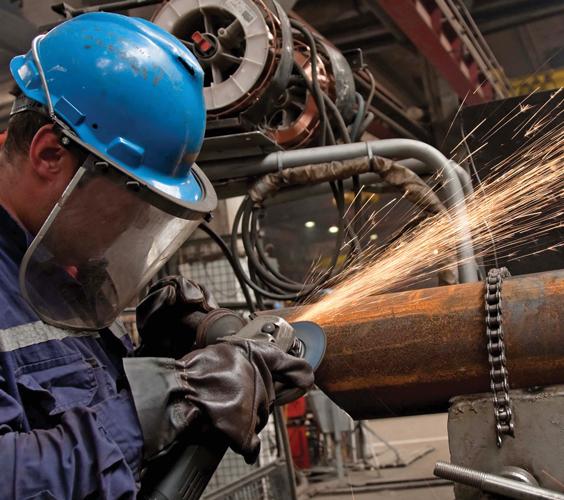
Geakita categorizes each cordless power tool by the operation modes it supports. The product operates in continuous (8-12 h/day), intermittent (DIY/household use), and portable on-demand modes. This is not a marketing label but an engineering specification verified during design and quality control.
Step-by-Step Selection Process
- Identify the primary operation mode: continuous (8-12 h/day), intermittent (DIY/household), or portable on-demand.
- Match to the working environment: industrial production line, construction site, heavy-duty continuous operation, or household maintenance.
- Select voltage and battery capacity: 12V brushed drills (e.g., model 9868, 28 N·m) for light DIY; 16.8V brushless drills (e.g., DK03, DK05) for general maintenance; 21V brushless tools (e.g., PT22, impact drill with 35/100/120 N·m) for heavy-duty or continuous use.
- Verify key specs: torque settings (24+3 on most 21V models), chuck diameter (13 mm on industrial grades), no-load speed (up to 2,200 RPM for drills; 12,000 RPM for angle grinders), and material (ABS, aluminum alloy, steel, copper for durability).
- Validate with sample testing: request a sample unit to run a 10-hour continuous load test before committing to bulk orders.
Use Cases

| Scene | Recommended Tool | Key Spec |
|---|---|---|
| Construction site – concrete drilling | Cordless Rotary Hammer (RH01/RH02) | 21V, 2000mAh*10cells, drilling up to 26 mm in concrete |
| Auto repair – bolt loosening | 21V Brushless Impact Wrench (650NM / 1000NM) | Brushless pure copper motor, torque 650 N·m / 1000 N·m |
| Industrial assembly line | 21V Brushless Impact Drill (PT22) | 21V, 1500mAh*10cells, 35/100/120 N·m, 24+3 torque settings |
| DIY furniture assembly | 12V Brushed Drill (9868) | 12V, 28 N·m, 18+1 torque settings, light weight |
| Metal cutting / grinding | 21V Angle Grinder (JM03 / JM05) | 21V, 100 mm disc, 12,000 RPM, brushless |
Frequently Asked Questions
What certifications do Geakita cordless tools hold?
Can Geakita customize tools for different voltage requirements or branding?
What is the budget range for Geakita's cordless power tools?
How can I get samples to test before bulk ordering?
What are the lead times for mass production?
Conclusion
Choosing a cordless power tool that matches your project's actual working conditions—continuous vs. intermittent vs. portable—is a proven way to reduce downtime and control total cost. Geakita's lineup, from 12V brushed drills to 21V brushless impact wrenches and rotary hammers, is engineered with specific operation modes in mind. By following the scene-based selection framework outlined here, procurement teams can confidently source tools that perform reliably on every job.
For more details on Geakita's full cordless power tool ecosystem, download the 2026 Corporate Profile & Product Catalog or contact the team directly:
Email: Flora@gearpioneer.com | Phone: +86 135-9954-5996