Upright fastening
Evaluate GKR07 for upright access. Keep its forward and reverse torque settings separate.

Plan upright wrench, industrial drill and impact-wrench requirements for railway maintenance supply. Compare working position, torque direction, fastener interface and the complete power configuration.
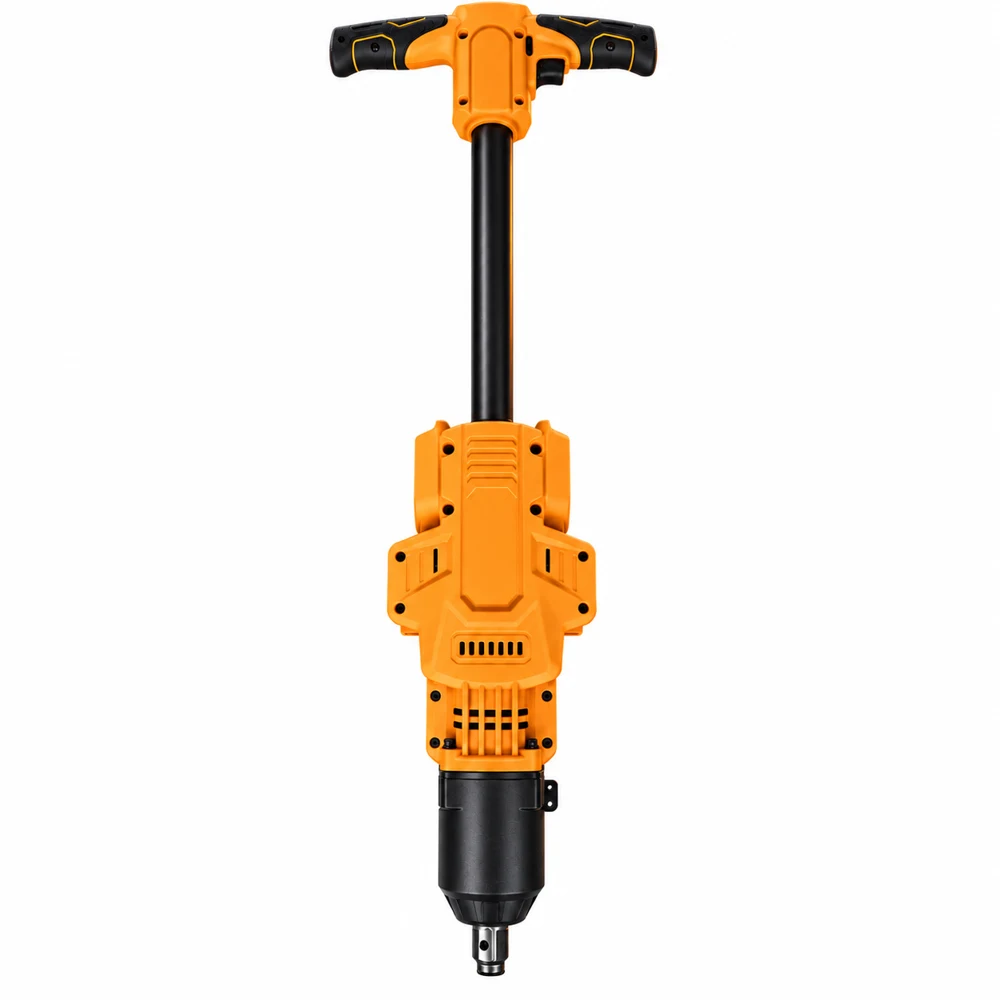
Evaluate GKR07 for upright access. Keep its forward and reverse torque settings separate.
Compare PT22 and PT24 for the specified material, bit and operating mode.
Plan 1000, 1500 and 2000 N·m requirements by actual operation, tool format and verified specification.
Start with GKR07, PT22, PT24, the 1000 N·m wrench and the 1500 N·m wrench. Record the 2000 N·m requirement separately below so torque direction and format are not confused.
Forward: 800 / 1800 N·m. Reverse: 1000 / 2000 N·m. An upright railway tool with direction-specific settings.
View GKR07 →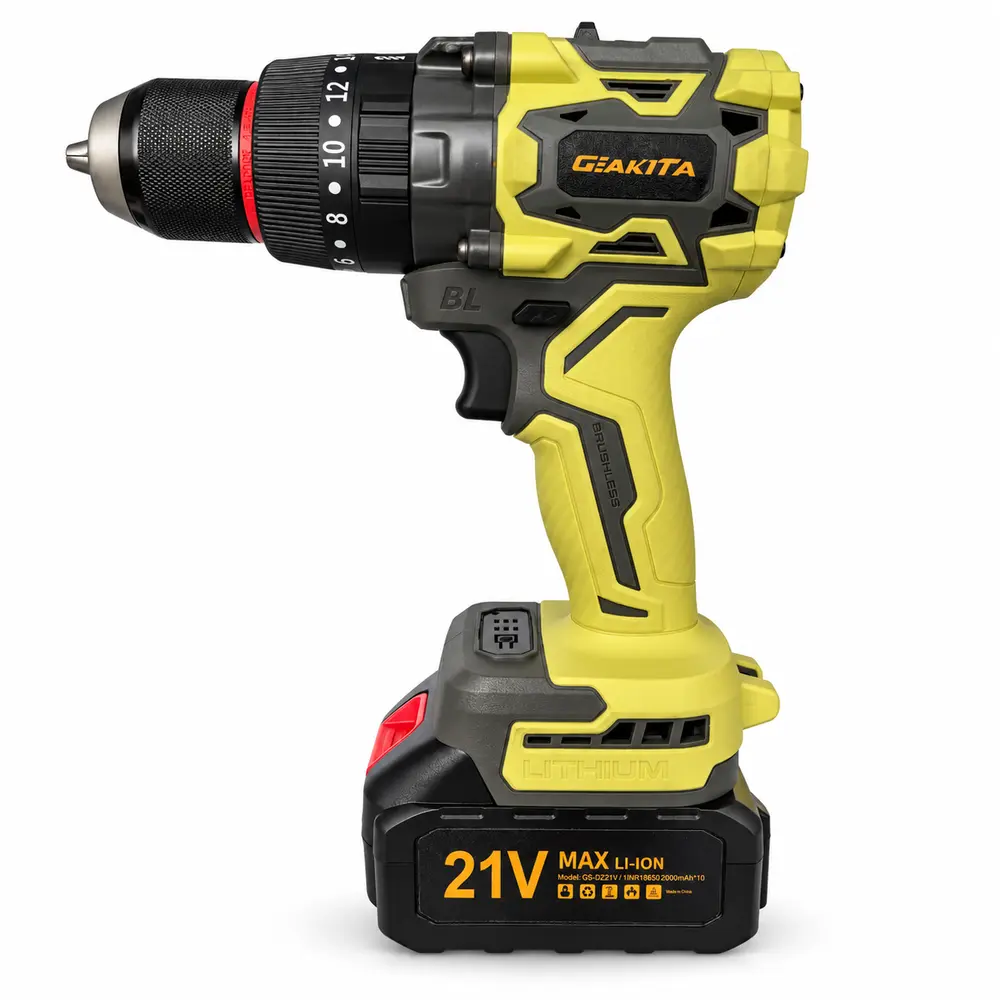
Industrial drill reference, displayed as PT-22 in the product catalog. Match the bit, material and operating mode.
View PT-22 →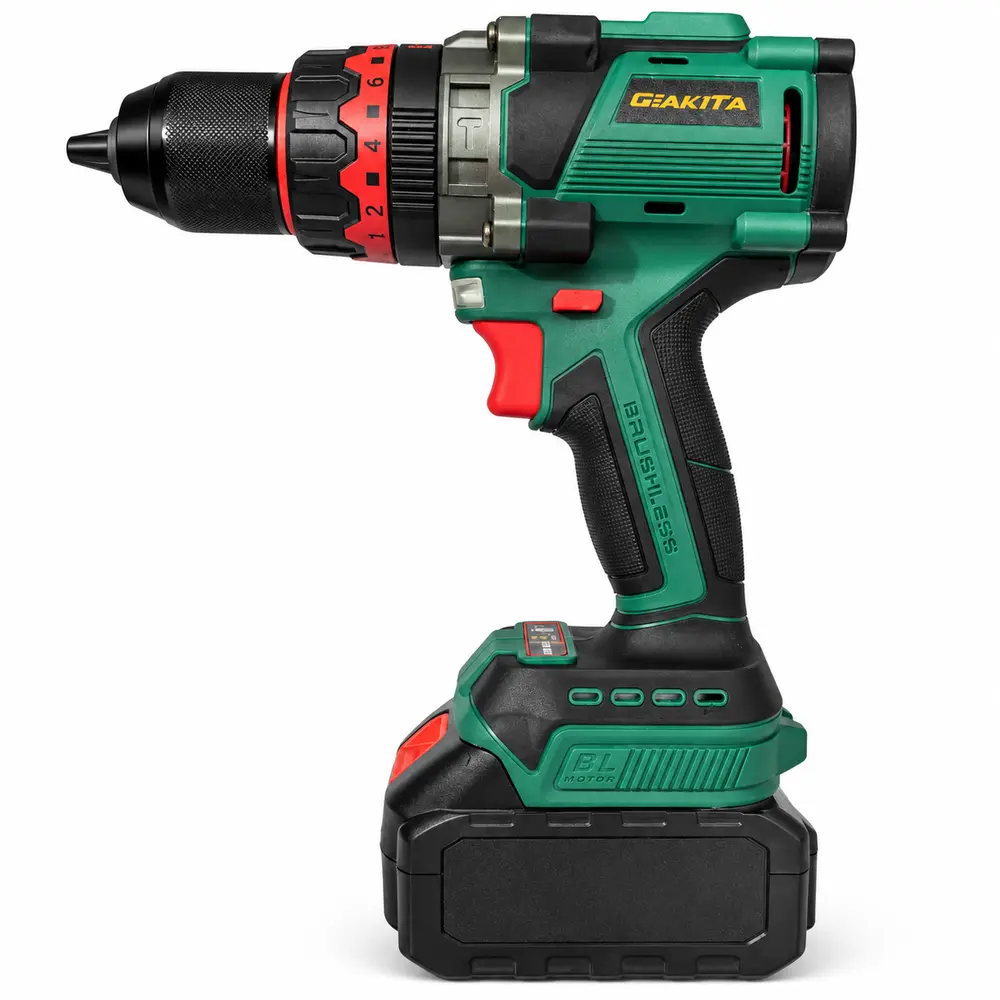
Industrial drill reference, displayed as PT-24 in the product catalog. Compare the exact drill specification.
View PT-24 →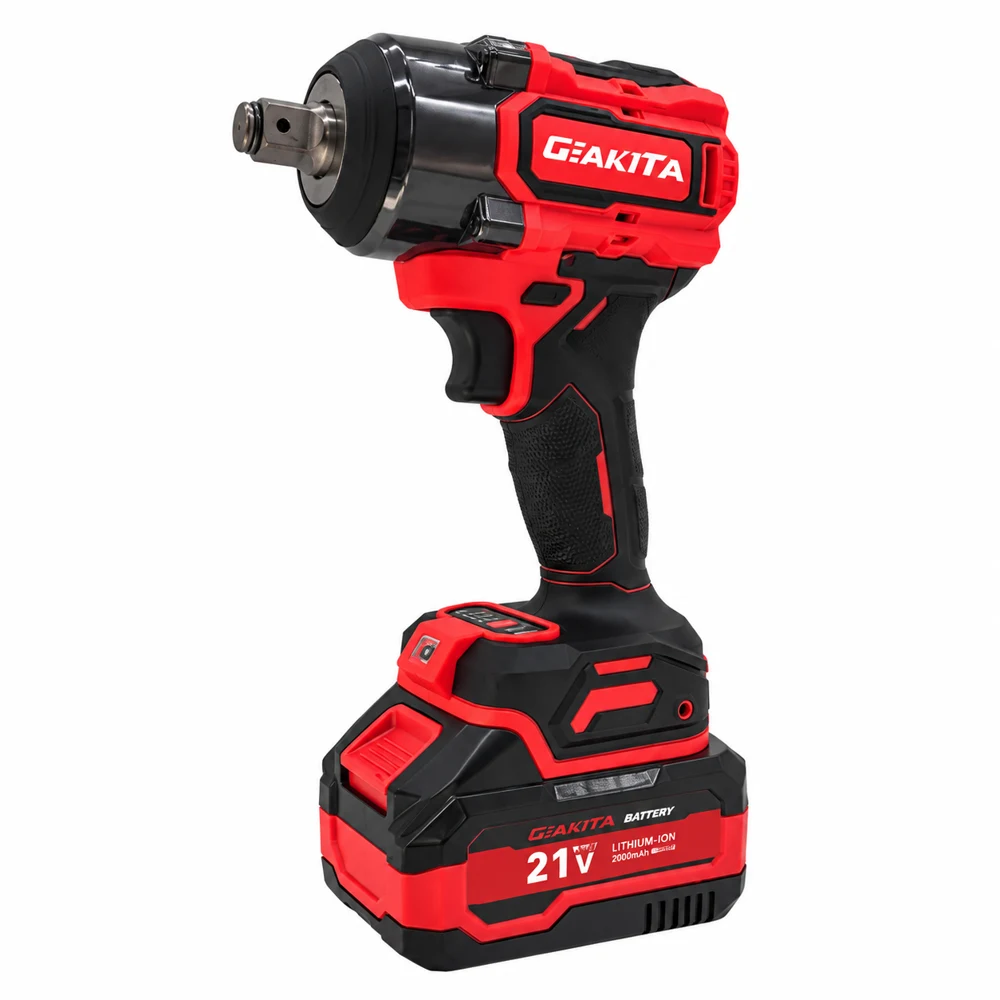
The listed 1000 N·m industrial wrench. Define the socket, fastener task and battery configuration.
View GKR06 →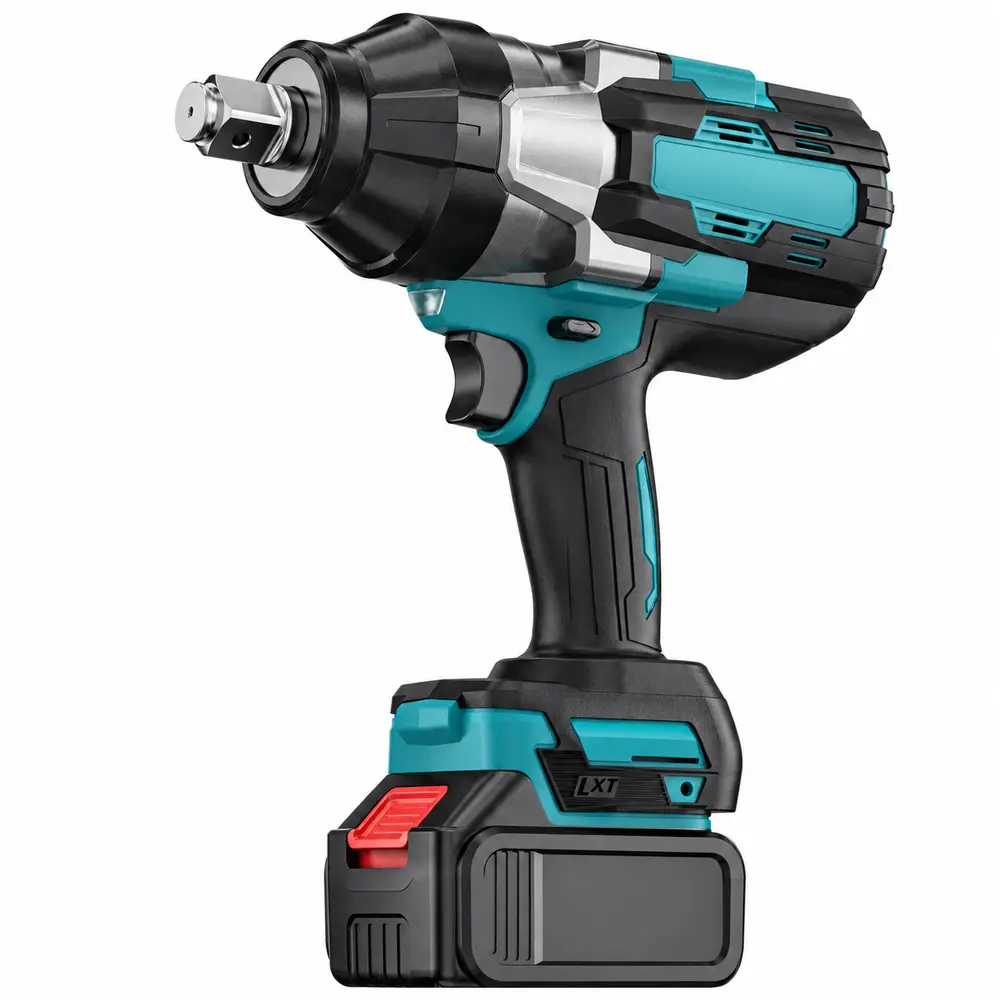
A separate 1500 N·m catalog wrench tier. Evaluate the configuration against the specified railway task.
View IW1500 →Select exact specifications and quantities for the order. This shortlist is a planning route, not a fixed kit or a guarantee of suitability for every task.
For an upright tool, review GKR07: its second reverse setting is 2000 N·m. If your requirement is a separate handheld 2000 N·m wrench, identify that format in your inquiry so it can be evaluated against the correct model.
| Buying situation | Selection direction | Record before ordering |
|---|---|---|
| Upright trackside fastener work | GKR07 upright railway wrench | Forward 800 / 1800 versus reverse 1000 / 2000 N·m; working clearance and socket fit. |
| Industrial drilling requirements | Compare PT22 and PT24 | Material, hole requirement, bit fit and operating mode; not automatic approval for rail drilling. |
| 1000 or 1500 N·m handheld work | Compare the listed wrench tiers | Tool format, rated output basis, fastener and supported battery. |
| 2000 N·m procurement requirement | Specify upright or handheld and forward or reverse | GKR07 documents 2000 N·m in reverse. A distinct handheld model must be identified separately. |
GKR07 is listed with two forward settings, 800 and 1800 N·m, and two reverse settings, 1000 and 2000 N·m. Do not present the reverse maximum as its forward tightening value.
For a separate 2000 N·m handheld wrench requirement, record that format in the procurement brief. The upright model is not a substitute for an unidentified handheld model.
Review GKR07 specifications →Identify railway maintenance operation, fastener, working position and access.
List upright or handheld tools and forward / reverse torque requirements separately.
Specify packs, charger, compatible rated sockets and drill bits.
State the procurement specification, required tests, documentation and delivery schedule.
No railway-operator approval or certification is implied. Evaluate the exact model against the buyer’s technical specification and required acceptance documents.
The currently documented 2000 N·m value belongs to GKR07’s second reverse setting. Use the dedicated requirement entry if a separate handheld model is needed.
Choose your channel and list the jobs your customers need to complete. Include quantities and configurations so the discussion can move from a category to a workable order.
Submit your requirements to GEAKITA. You will receive a reference number after successful submission.