
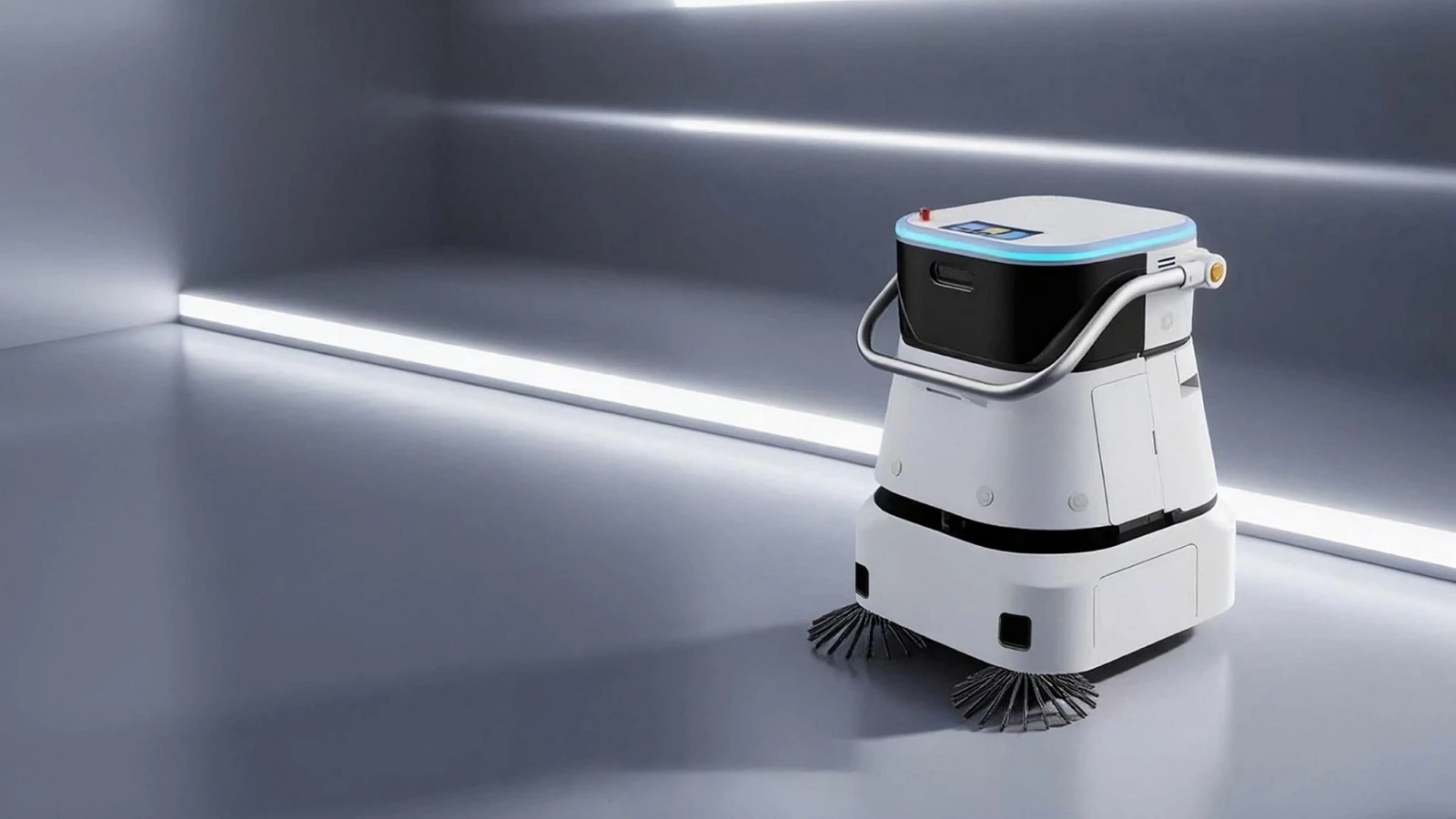
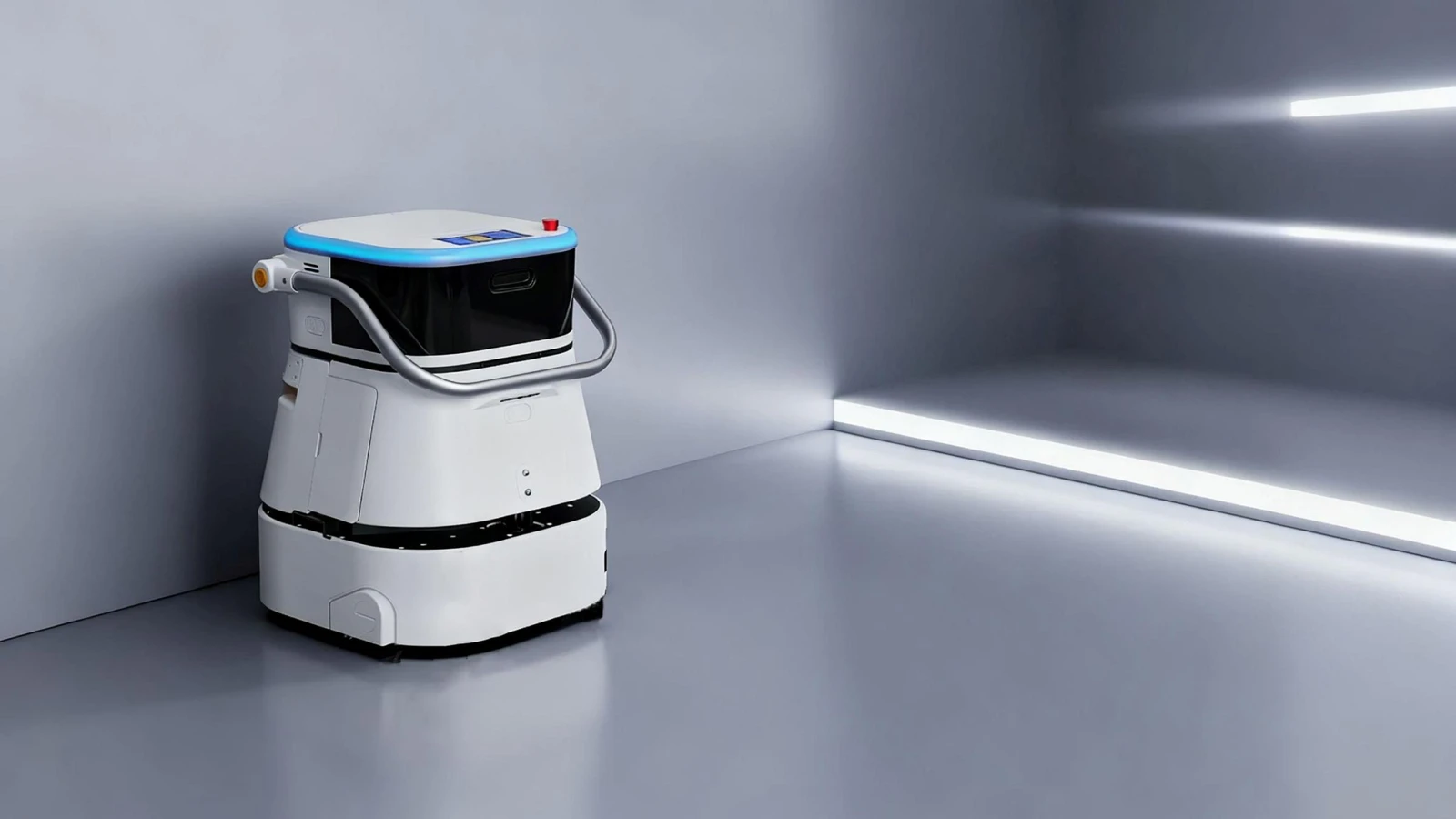
C2 ↗
Daily floor care for established facilities
- Cleaning efficiency
- 500–800 m²/h
- Cleaning width
- 440 mm
- Clean / waste water
- 10 / 10 L
- Reference runtime
- 5–12 h
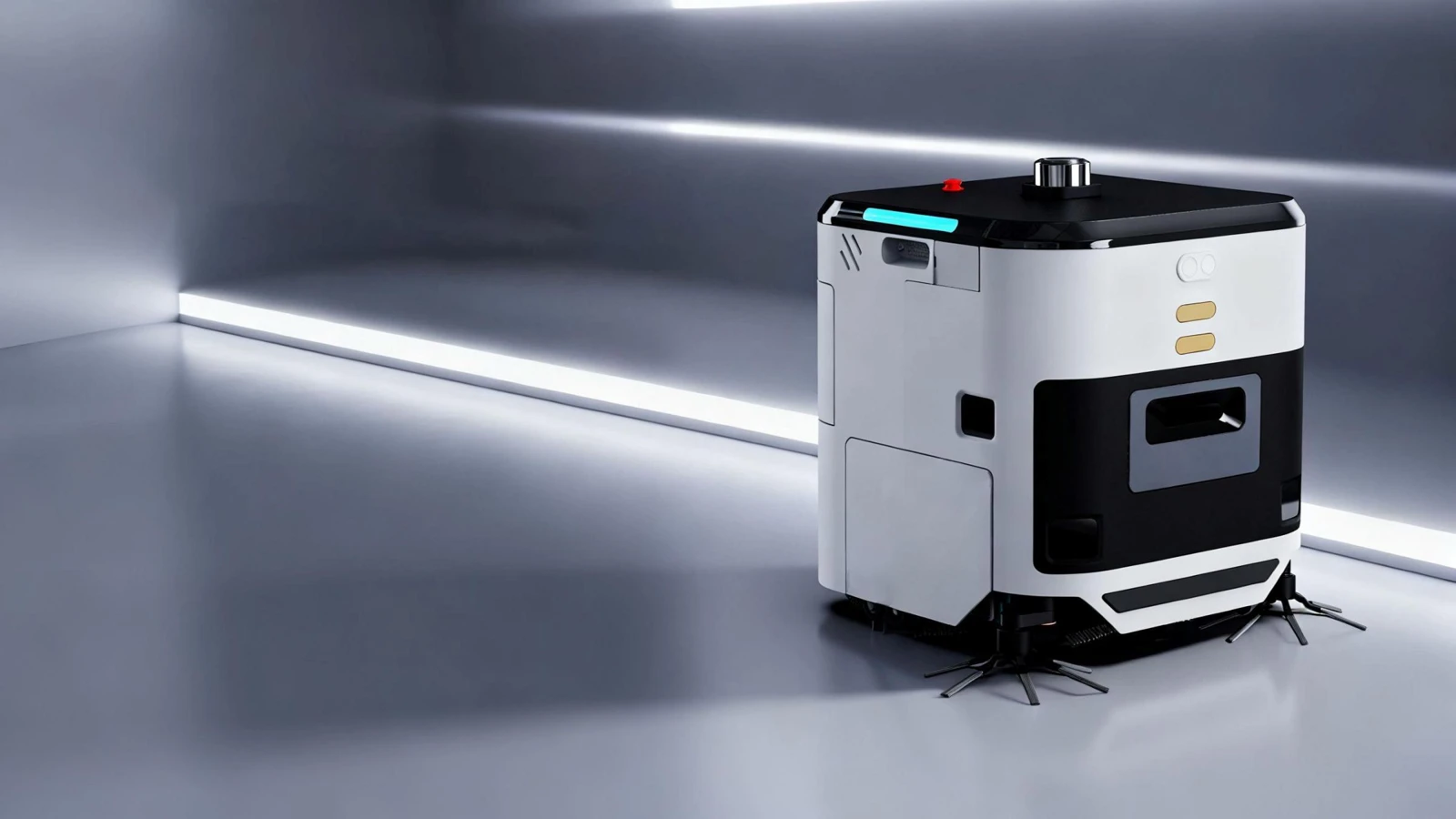
Three robots for different spaces and service needs. Compare compact access, daily floor care and automated water handling.


Daily floor care for established facilities

Automated water handling for larger cleaning routes

Compact cleaning for shops and tighter circulation routes
| Selection factor | C2 | C2 Pro | C3 Mini |
|---|---|---|---|
| Suggested site scale | 1,000–2,000 m² | 2,000–10,000 m² | 100–1,000 m² |
| Functions | Scrubbing / vacuuming / mopping | Scrubbing / vacuuming / sweeping / mopping | Sweeping / vacuuming / scrubbing / mopping |
| Cleaning efficiency | 500–800 m²/h | 800–1,200 m²/h | 300 m²/h |
| Cleaning width | 440 mm | 440 mm scrubbing / 560 mm vacuuming | 350 mm scrubbing / 530 mm sweeping |
| Clean / waste water | 10 / 10 L | 8 / 8 L | 5 / 3.5 L |
| Battery | 25.6 V / 36 Ah | 25.6 V / 36 Ah | 24 V / 15 Ah |
| Reference runtime | 5–12 h | 3.5 h (standard battery) | 1.5 h |
| Charging time | 3 h | 3.5 h | 1.5 h |
| Dimensions | 503 × 503 × 629 mm | 571 × 505 × 698 mm, without side brushes | 400 × 400 × 410 mm, without side brushes |
| Weight | 42 kg | 55 kg | 27 kg |
Site scale is an initial selection guide. Efficiency and runtime are catalog references, not guaranteed site output. Route complexity, cleaning mode, floor condition and service stops affect the result. C2 Pro efficiency follows the detailed specification table; validate the planned route during a site trial.
Survey passages, thresholds, slopes, stairs, glass and changing obstacles. Create cleaning zones, restricted areas and schedules around people and business hours.
Brushes loosen dirt; the suction and recovery system collect debris and dirty water. Separate suitable hard-floor scrubbing from carpet vacuuming. Test the finish and cleaning chemistry on site.
Charging, fresh water, wastewater and consumable access all matter. C2 Pro can use an automated water-exchange station; the optional external tank offers another water-supply arrangement.
Empty and rinse tanks, inspect brushes and squeegees, clear debris and review task results. Record missed areas and interruptions so the route can be improved.
Start with C3 Mini for compact sites; assess C2 or C2 Pro as routes grow. Check aisle clearance, shelf-end turns, changing displays and cleaning windows.
Compare C2 for repeatable daily routes with C2 Pro for automated water handling. Multi-floor work requires a separate elevator and access-control integration review.
Build the proposal around covered area per shift, operator interventions, recovery quality and service support. Validate these on the customer’s floor before committing to staffing or cost savings.
Offer a site survey, demonstration and maintenance package alongside the robot. Define training, wear parts, remote support and escalation responsibilities for each market.
Share the route, floor finish and service conditions. We can then discuss model selection, docking, local support and distribution or OEM requirements.
Submit your requirements to GEAKITA. You will receive a reference number after successful submission.
C3 Mini is the compact starting point, with a 60 cm minimum navigable width and a 50 cm minimum clearance height in the specification table. The complete route still needs an on-site turning and access assessment.
The docking configuration can support automatic water exchange. An optional 30 L / 30 L mobile external tank is described for sites without convenient plumbing. Agree the station and tank scope before ordering.
Elevator and gate integration is a project option, not a universal out-of-box feature. Review equipment interfaces, permissions, connectivity and commissioning requirements for the actual site.
Robots can handle planned accessible floor routes. People still manage exceptions, stairs, inaccessible corners, consumables and maintenance. Use a site trial to establish the division of work.
Measure cleanable area completed within the agreed shift, missed zones, operator interventions, water and charging stops, and the agreed floor-cleanliness result. Record the mode and site conditions alongside each result.
Define the robot version, station and options, spare parts, training, branding scope, destination documentation and service responsibilities. Pricing is supplied privately against the agreed configuration.