Choose the tool
Match the operation, workload and tool interface. Keep home, mixed-use and industrial roles clear.
Explore tools →
Power tools, batteries and accessories selected around how your customers work—and how you sell. Find a buying route for your store, online channel or project supply business.
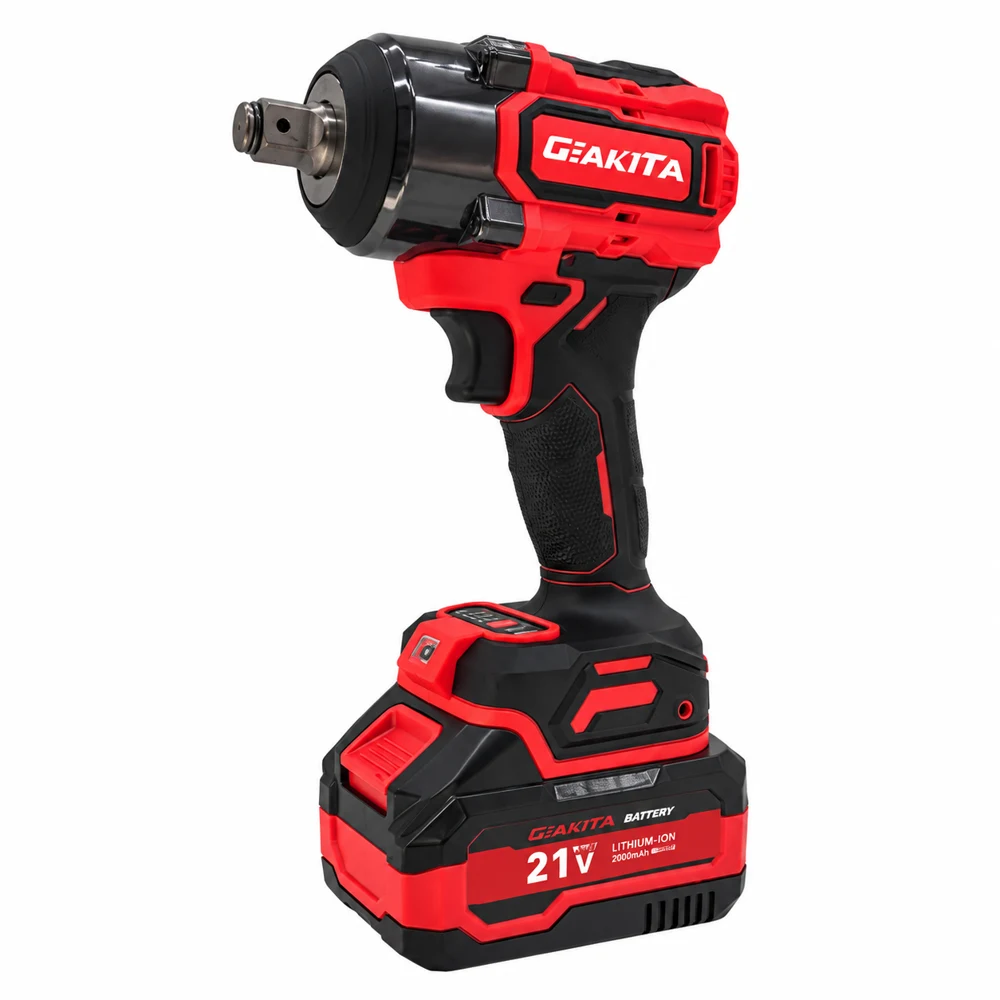
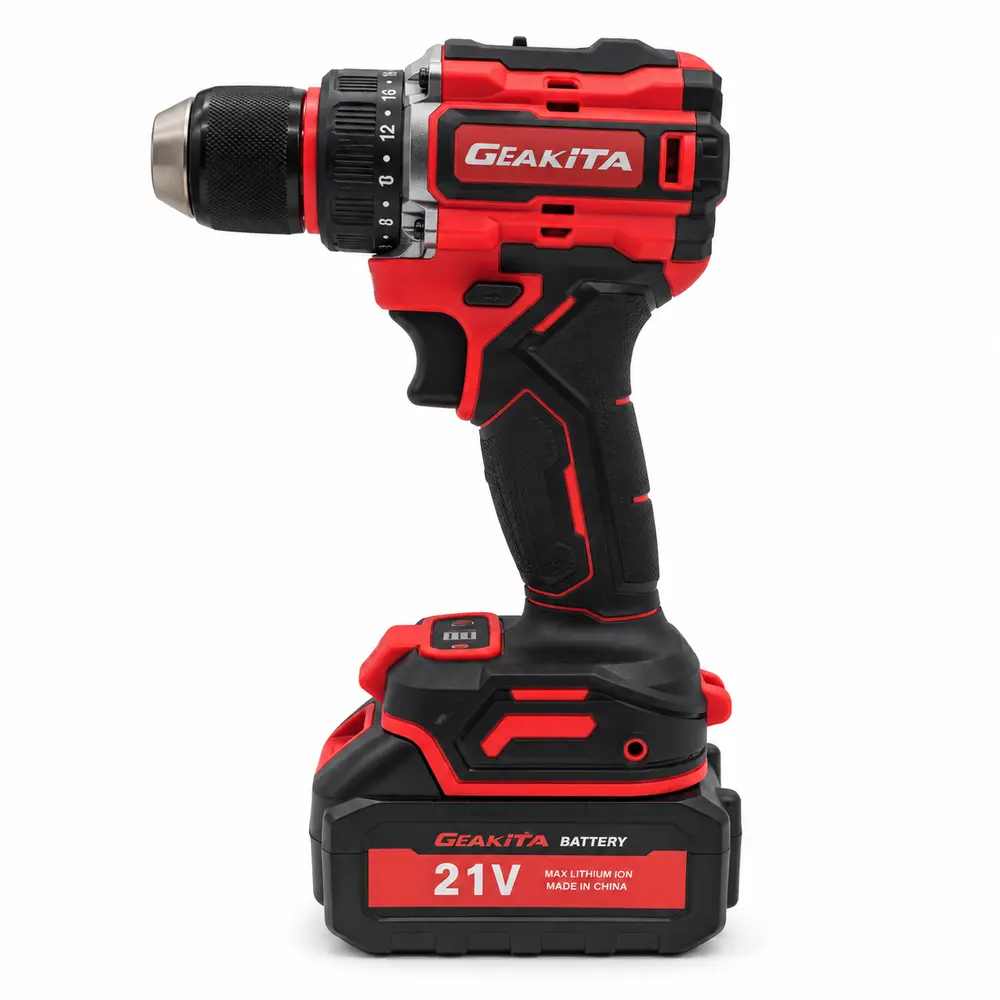
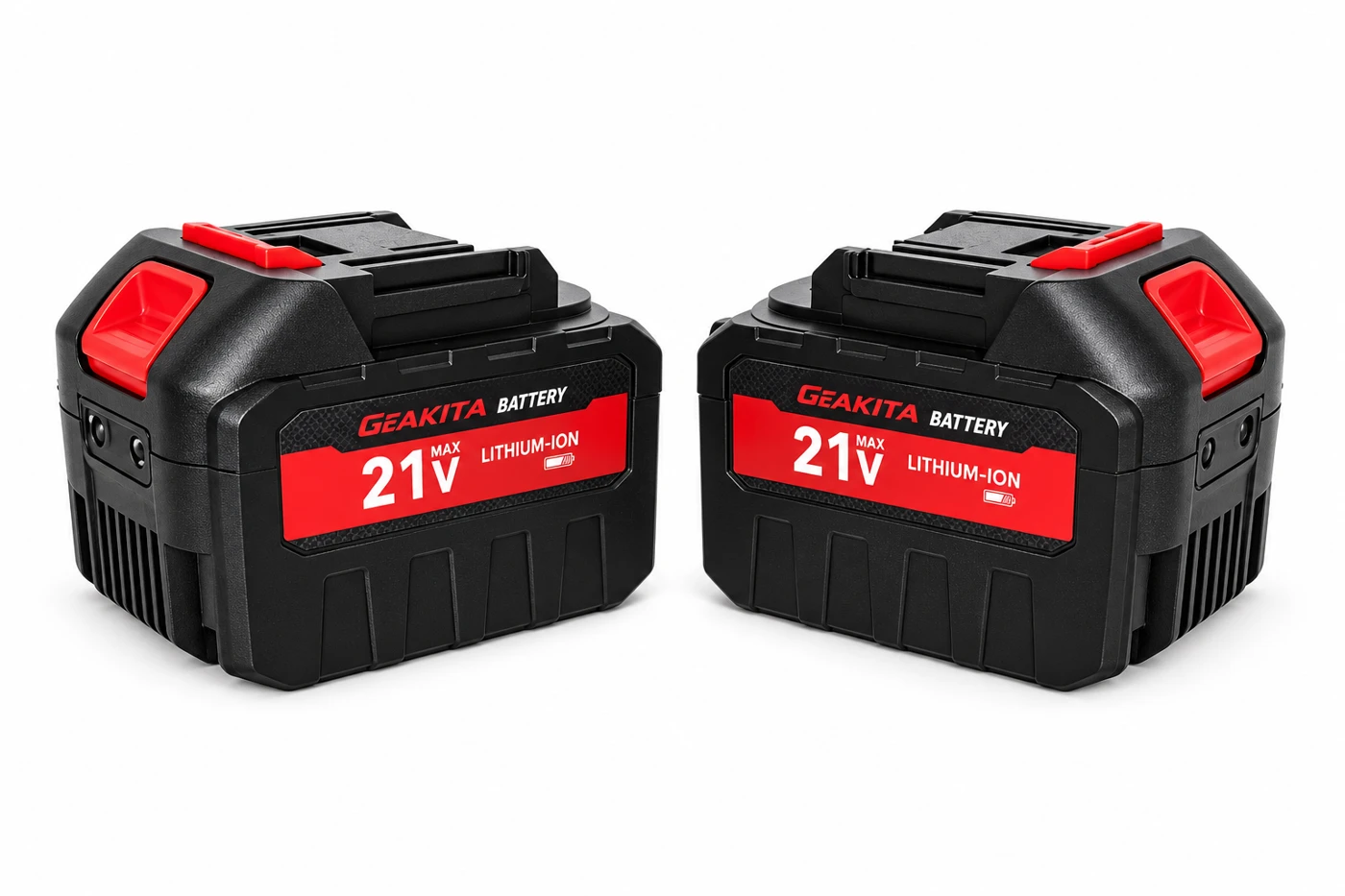
A home-improvement shelf, a workshop and an industrial supply contract require different product combinations. Start with the customer’s task.
Help customers choose a drill, useful bit profiles and the right battery configuration for everyday DIY.
Explore this solution ↗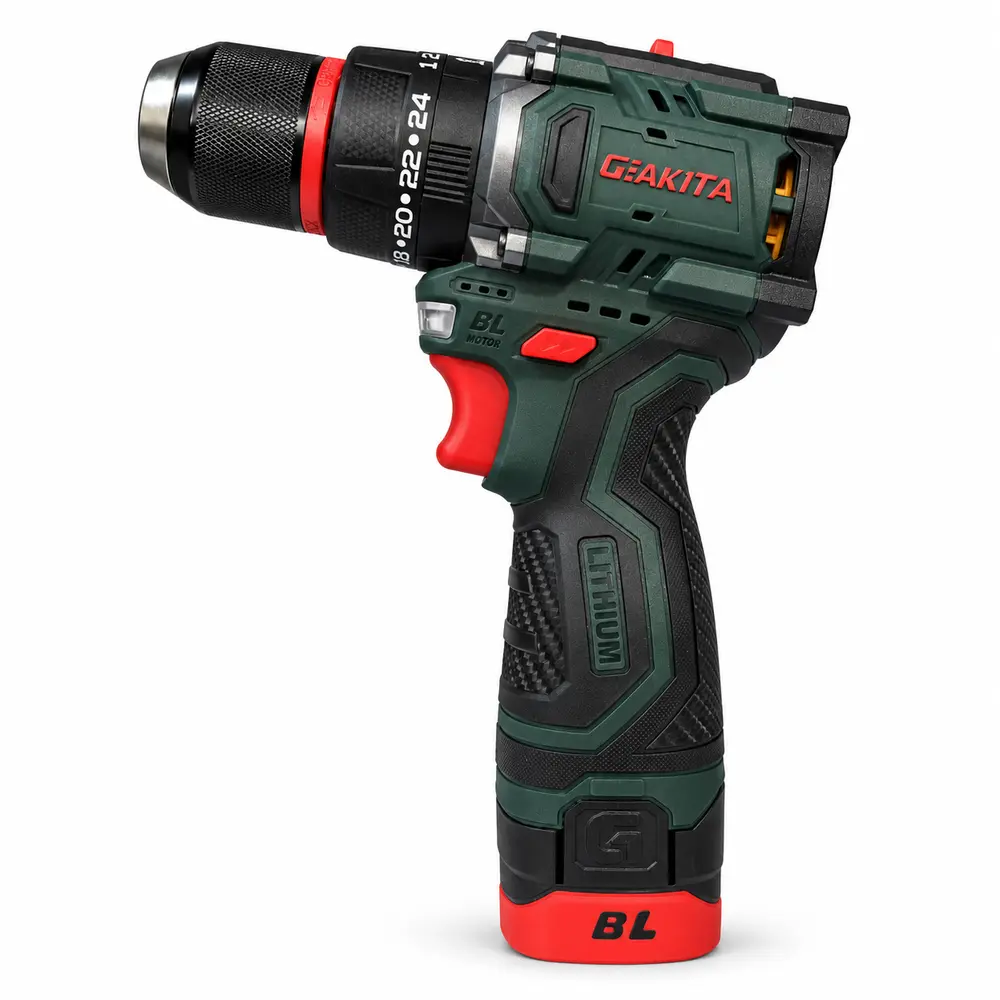 02
Build around drilling, fastening and cutting needs instead of combining unrelated tools into one package.
Explore this solution ↗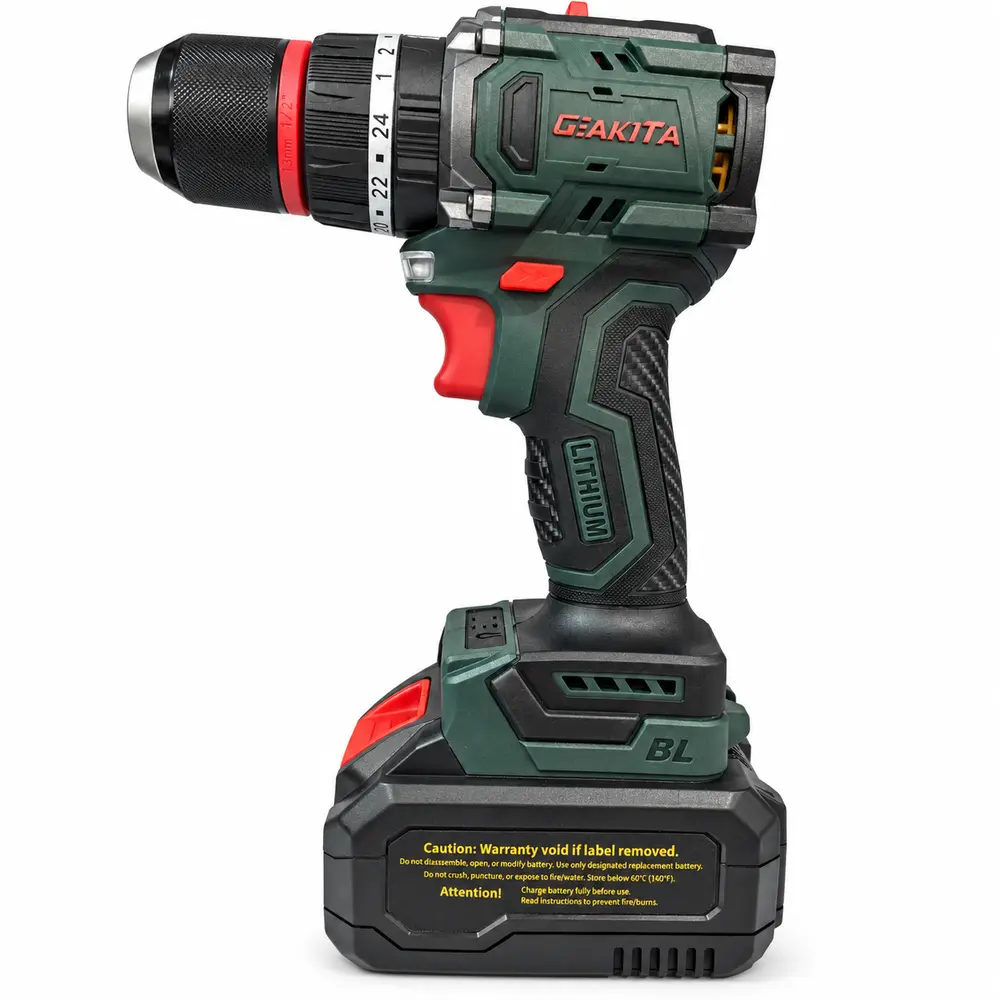 03
Compare dedicated wrench options for the fastener tasks your workshop customers actually handle.
Explore this solution ↗04Make the working function and included items visible before customers compare your listing.
Explore this solution ↗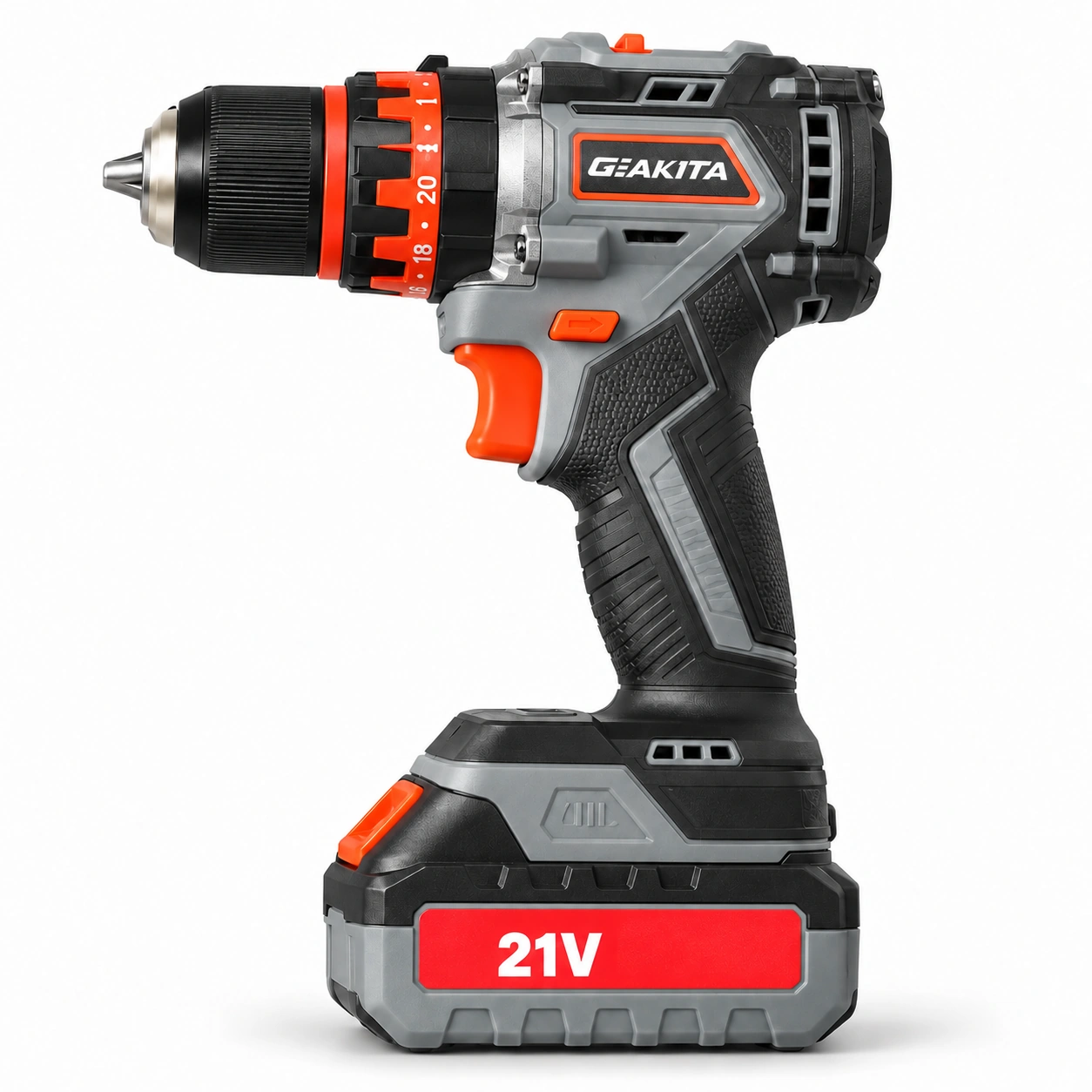 05
Give each SKU a specific home-project or maintenance role that customers can recognize.
Explore this solution ↗06Start with the operation, workload and access requirements before selecting the tool class.
Explore this solution ↗07Build a railway shortlist around upright access, PT22 / PT24 drills and defined wrench torque requirements.
Explore this solution ↗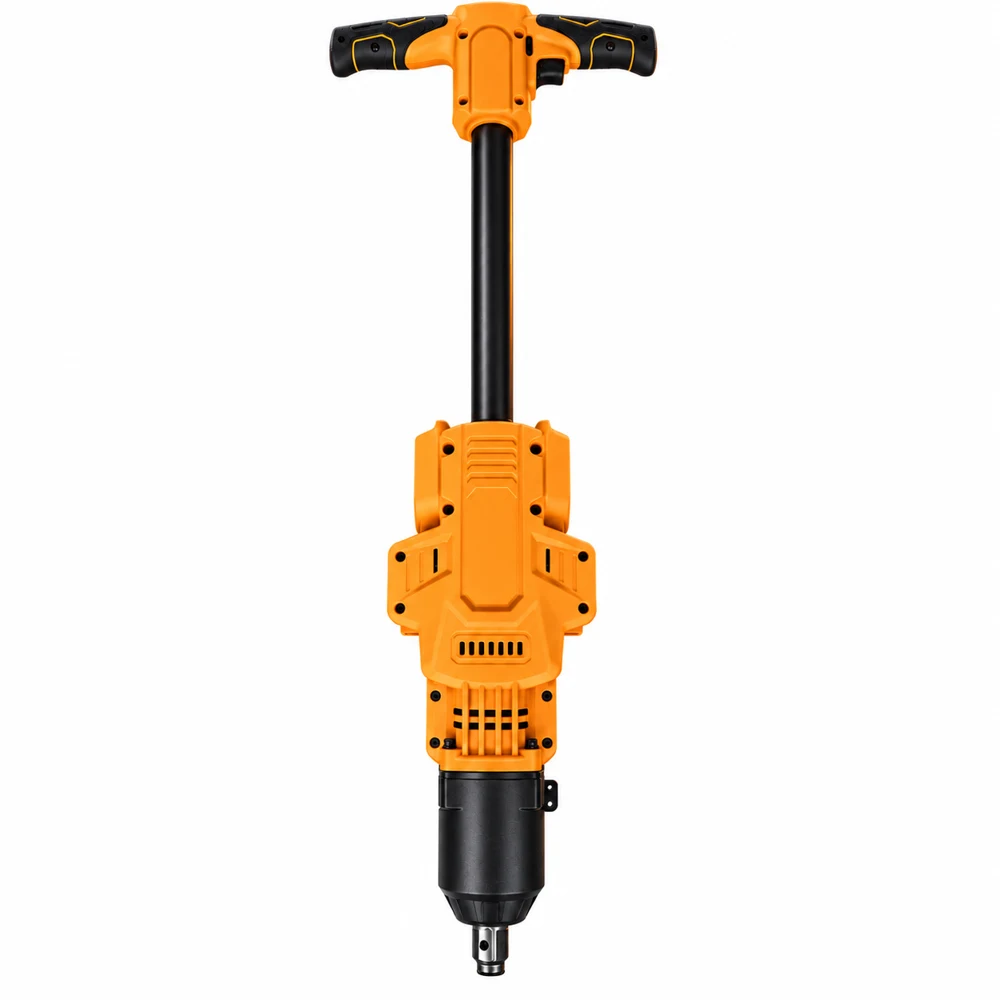
Match the operation, workload and tool interface. Keep home, mixed-use and industrial roles clear.
Explore tools →Choose the supported battery configuration and matched charger. Record cell capacity separately from complete-pack capacity.
Compare batteries →Select bit profiles, socket interfaces, disc dimensions and permitted operating modes.
Explore accessories →Separate repeat consumables and spare batteries from the first tool order. Record model and configuration for repeat supply.
Explore bit sets →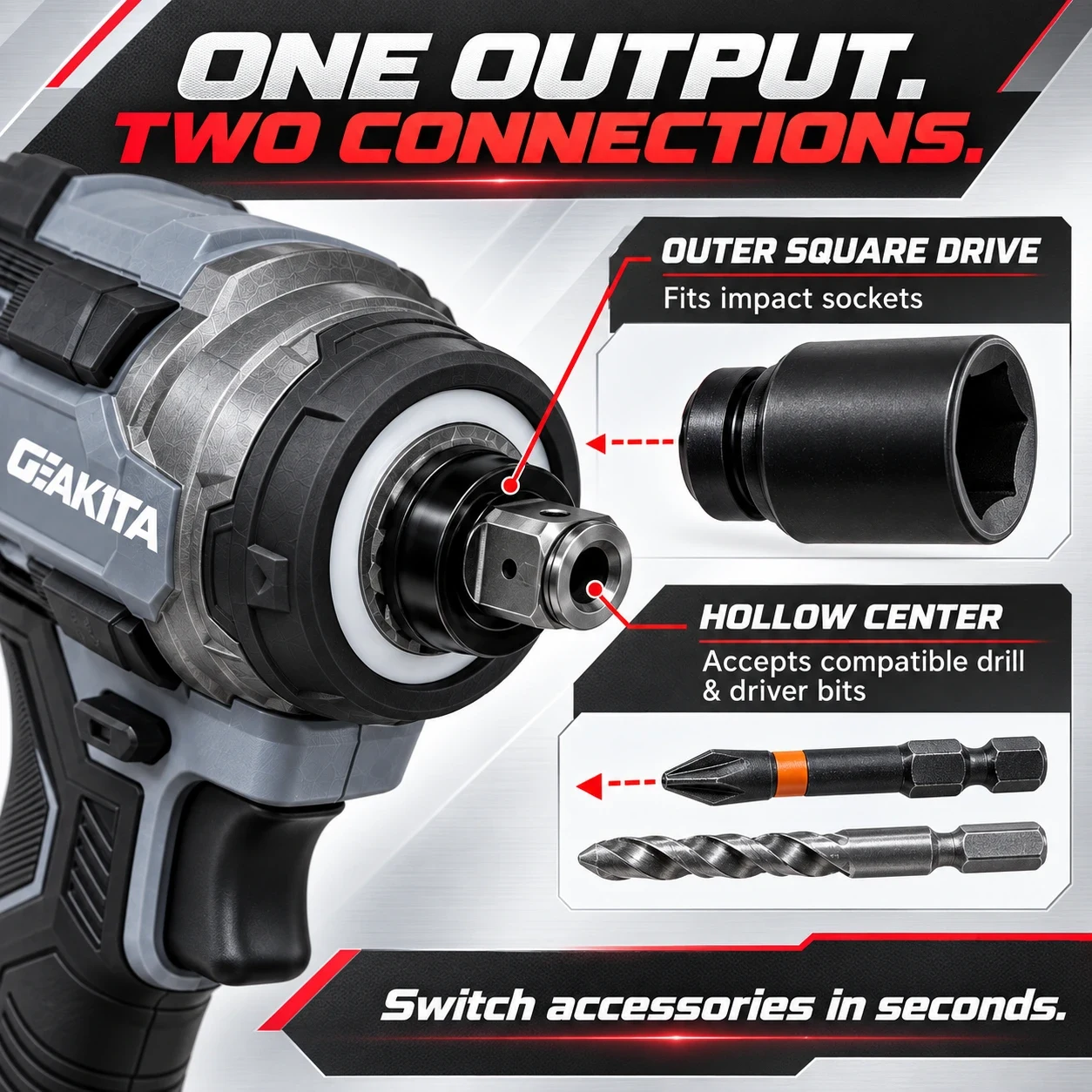
TF350 brings wrench work, screwdriving and compatible-bit drilling into one tool format. Its value is a demonstrable accessory change and a compact mixed-task offer.
Compare that flexibility with dedicated tools when customers need repeated drilling, controlled fastening or continuous task-specific work.
Compare TF350 with dedicated tools →Plan your series mix, hero SKU, batteries, category labels and opening materials around an organized retail presentation.
Explore distributor cooperation →Define model-level quantities, battery packs, chargers, accessories and target-market documentation in one procurement brief.
Build your buying brief →Define label, housing colour or new-housing development. Connect the chosen scope to samples, packaging and production approval.
Explore OEM solutions →Use a separate site and service assessment for robotic products.
Build the shortlist by channel, then record quantities and configurations for each model. The product combinations here are planning examples, not fixed-price packages or a sales forecast.
Voltage alone does not establish compatibility. Match the mechanical interface, electrical connection, supported pack and charger to the exact tool.
Identify the destination and exact models, then request the applicable documentation. Reports supplied for one model or product family must not be treated as certification of every GEAKITA product.
Choose your channel and list the jobs your customers need to complete. Include quantities and configurations so the discussion can move from a category to a workable order.
Submit your requirements to GEAKITA. You will receive a reference number after successful submission.