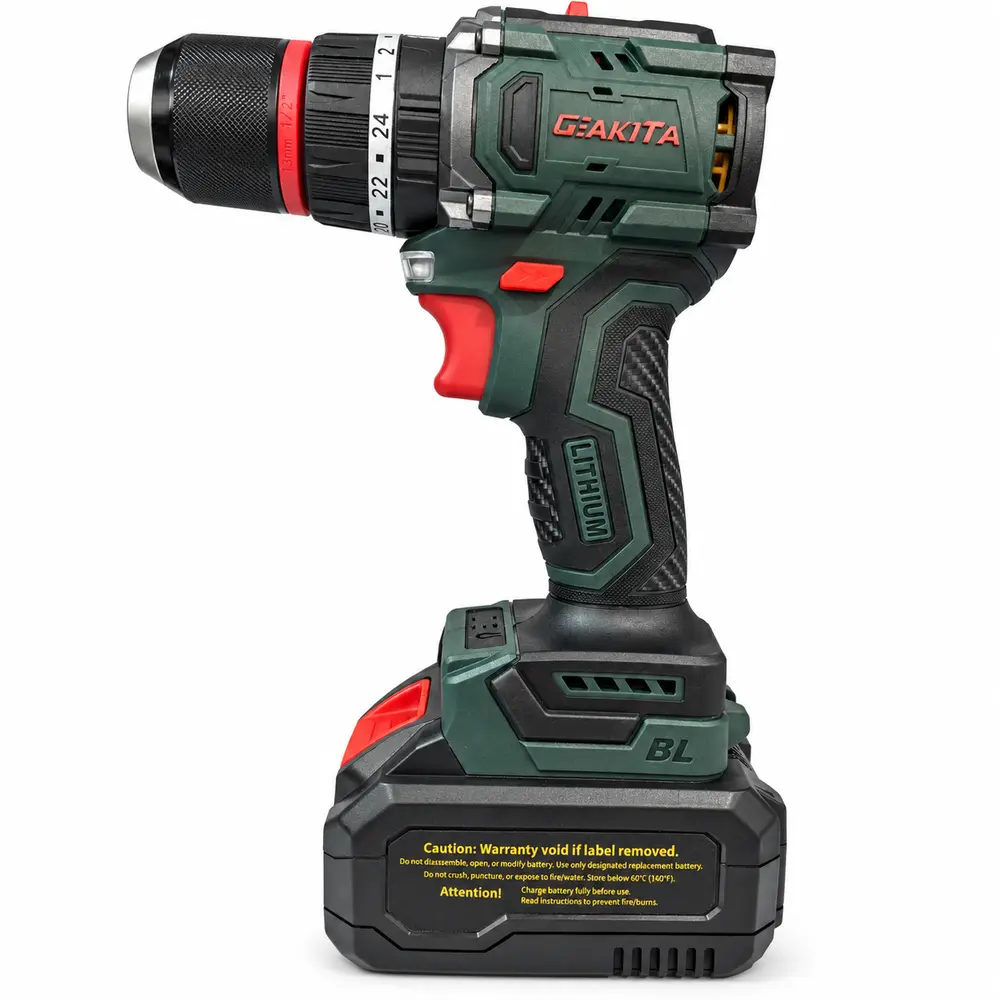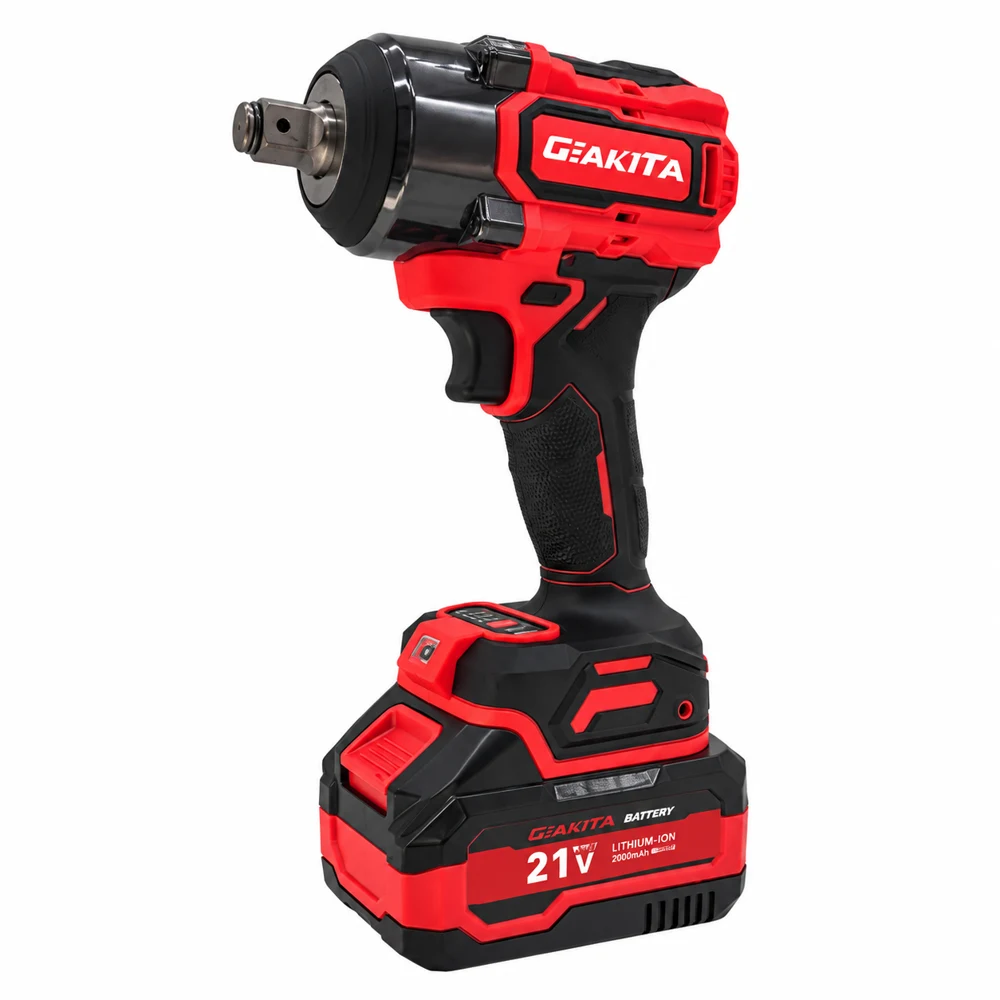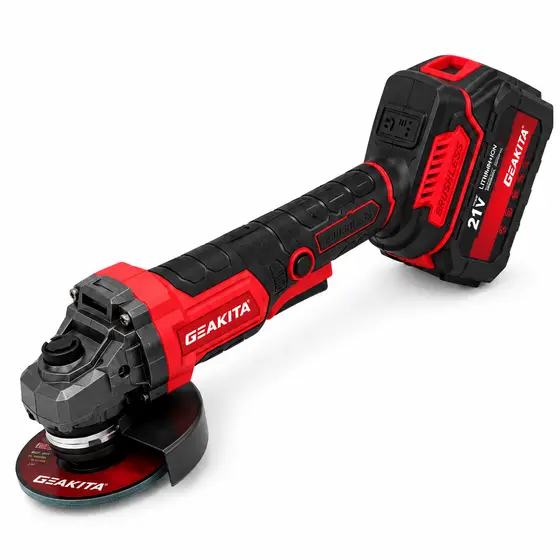
Separate the three numbers
Cell capacity describes an individual cell. Pack capacity describes the finished assembly. Cell count tells you how many cells are inside, but does not by itself state how they are connected. Ask for the series/parallel arrangement and the resulting complete-pack rating rather than multiplying all cells by their individual capacity.
Use consistent units: 1000 mAh equals 1 Ah. Do not compare a maximum-voltage marketing label on one pack with a nominal-voltage rating on another without clarifying the basis.
A worked configuration example
| Illustrative arrangement | Cell count | With 2000 mAh cells |
|---|---|---|
| 5S1P | 5 | 2.0 Ah pack |
| 5S2P | 10 | 4.0 Ah pack |
| 5S3P | 15 | 6.0 Ah pack |
These are arithmetic examples for matched cells, not verified ratings for every GEAKITA pack with that cell count. The supplier must confirm the actual assembly and rated capacity. This guide explains terminology; it is not a battery assembly or modification instruction.
Capacity is not the whole performance specification
Runtime also depends on the tool and task. Request a representative runtime test with the exact model, accessory and battery being quoted. A larger Ah number alone does not establish the discharge capability, thermal behavior or compatibility required by a demanding tool.
Compare complete working weight and clearance as well as capacity. A larger battery can change handling or access. Plan charging and spare batteries around the work pattern rather than promising a fixed number of operating hours without test conditions.
Specify the GEAKITA battery option clearly
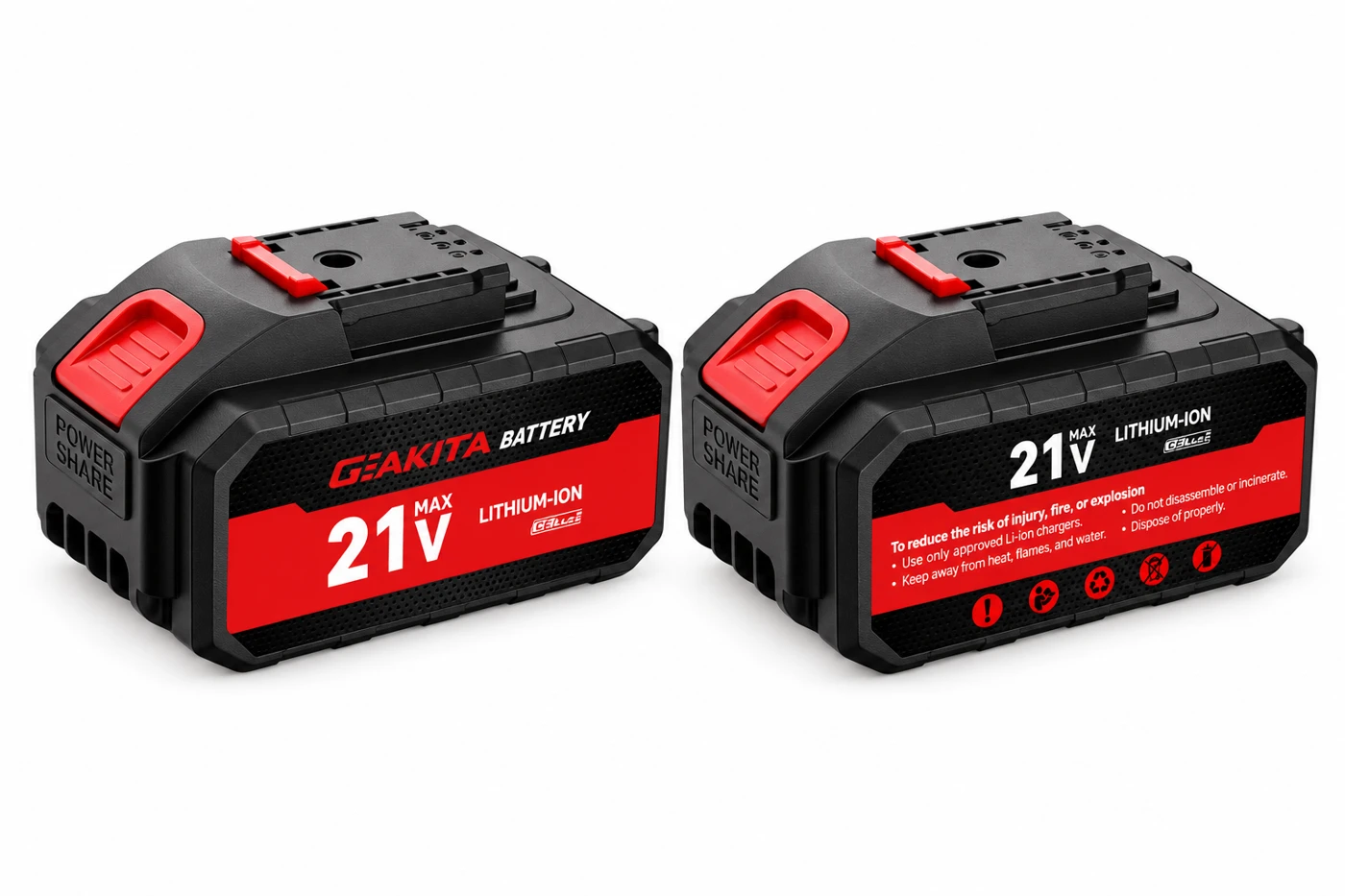
The standard battery range supports discussion of 1300, 1500, 1800, 2000 and 2500 mAh cell options. Record the selected housing family, cell arrangement, complete-pack capacity and compatible tool model separately. Availability of a cell option does not mean every housing and tool combination is automatically approved.
The battery front label, reverse warnings, retail packaging and online listing should all describe the same delivered configuration. Keep the charger and destination plug in the purchase specification.
Questions to send with an inquiry
- Which exact tool models and interfaces are supported?
- What are the nominal and maximum voltage values?
- What is the cell arrangement and rated finished-pack capacity?
- Which charger is approved, and what is its input/plug specification?
- What test conditions support any runtime or discharge claim?