Define the work before comparing models
A procurement brief should describe the material, intended hole diameter, hole depth and expected number of holes per shift. Include whether the operator also drives screws, works overhead or needs access inside cabinets. Installation and construction cover very different loads; they should not be reduced to a single “professional” label.
Separate ordinary drilling, screwdriving and masonry work in your list. Check the selected model’s operating modes and supported materials. The presence of a hammer mode does not establish suitability for every concrete application.
Compare the features that affect the task
| Check | Why it matters | What to request |
|---|---|---|
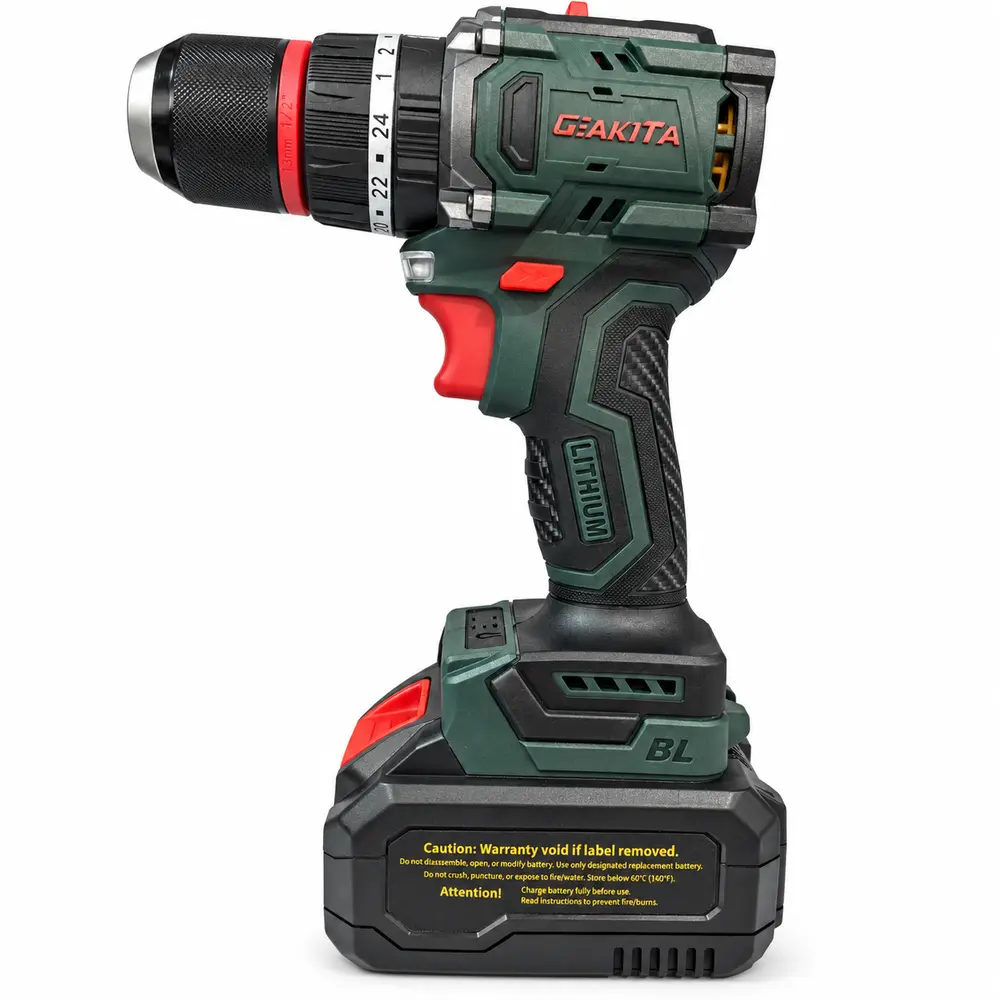
| Chuck and bit shank | The tool must securely hold the intended accessory. | Chuck capacity and supported shank type. |
| Gear and speed control | Drilling and screwdriving can need different control. | Speed ranges, selectable gears and operating modes. |
| Size and working weight | Battery choice affects the complete tool. | Dimensions and weight with the quoted battery. |
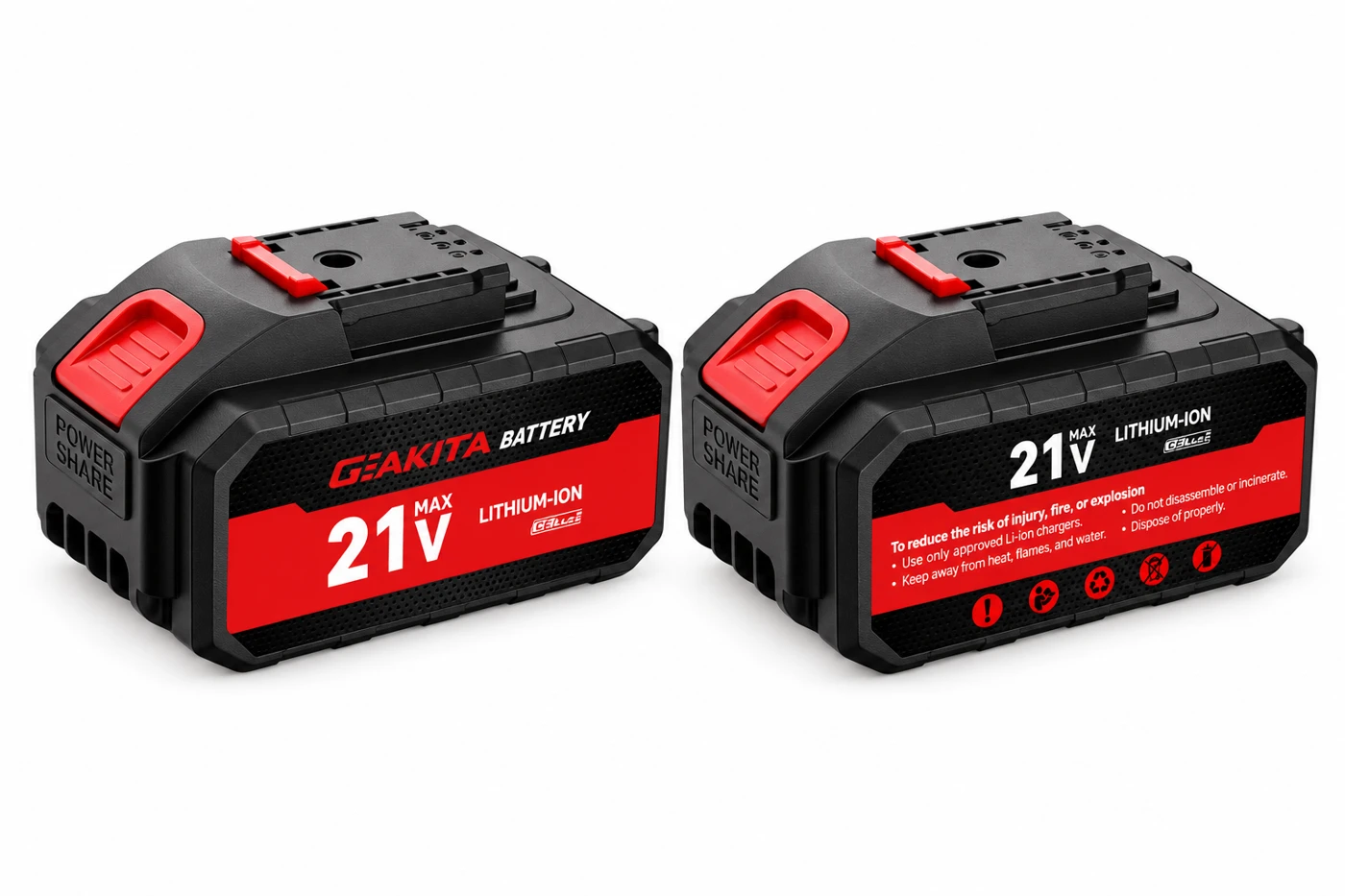
| Battery and charging | The shift needs a practical charging arrangement. | Pack specification, charger and plug. |
| Application rating | A single torque claim does not describe drilling capacity. | Model-specific capacities and instructions. |
Build an assortment around different jobs
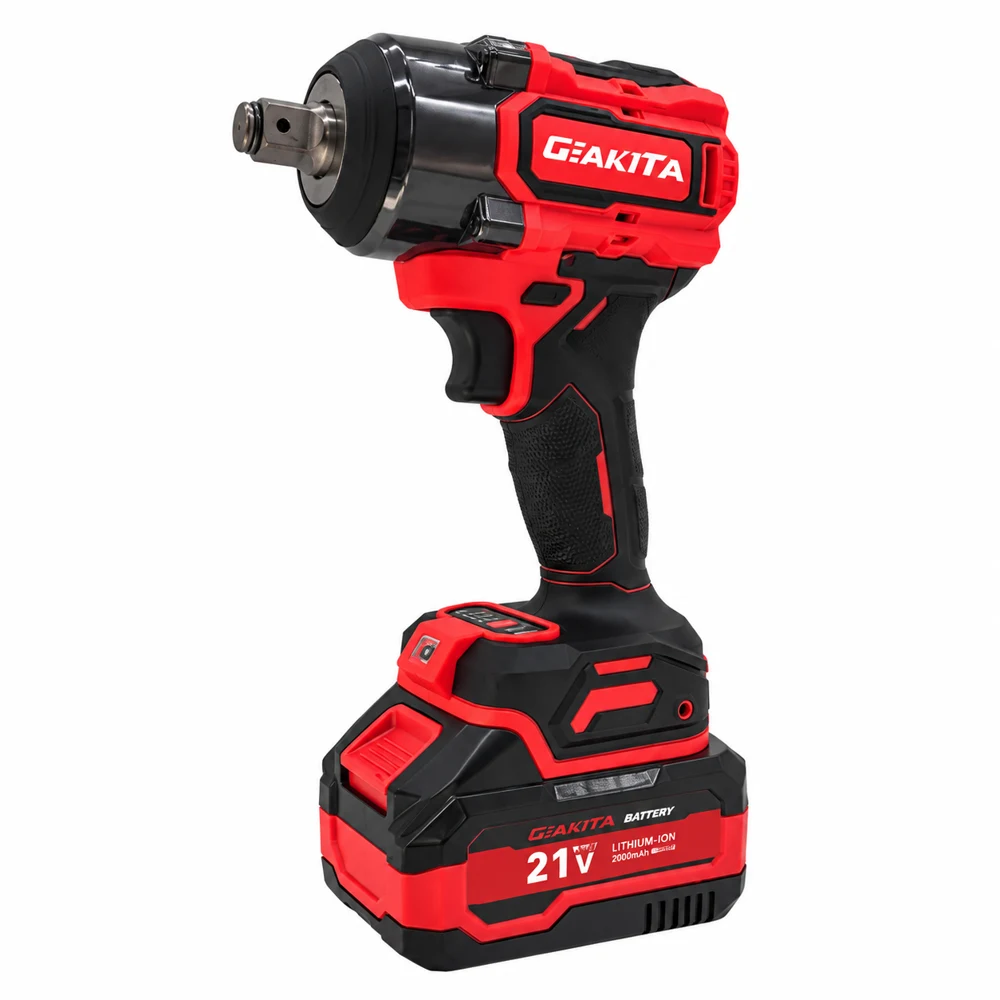
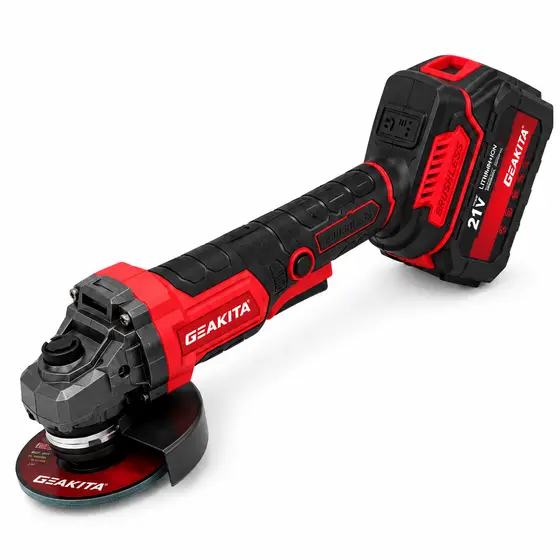
For a hardware assortment, review compact DK models alongside larger PT models instead of selecting only one form factor. For construction supply, begin with PT12-1 and PT12 drills, then add JM05 / JM05-1 angle grinders and GKR05 / GKR06 impact wrenches according to the required tasks. This is a range-planning starting point, not a claim that every listed model handles every material.
Online listings should distinguish the base tool from each battery and kit variant. Keep model suffixes, package contents and photographs aligned so the buyer receives the configuration shown.
Test a representative sample
Use the intended material and accessory, and record the battery configuration. Assess access, control, hole quality and operator handling under the intended workload. Agree the acceptance conditions before comparing samples. A demonstration on a different material or with a different battery cannot establish the result for your application.
Prepare a drill sourcing brief
- Material, hole size and working position.
- Drilling, screwdriving and masonry requirements.
- Quantity per model and expected usage pattern.
- Battery count, complete-pack capacity and charger plug.
- Included bits, carrying case, manual language and packaging.