Keep tool capability separate from joint requirements
Fastening figures describe tightening capability under specified conditions; breakaway or removal figures describe a loosening test. Do not assume a removal rating is the torque the tool applies during tightening. Ask the supplier to define the test method and result before using two headline figures as a comparison.
The required joint torque comes from the equipment or fastening specification. Bolt diameter alone is insufficient: joint design and the specified fastening procedure matter. A high-output wrench is not a calibrated torque-control device.
Compare like with like
| Quotation field | Clarification required |
|---|---|
| Torque figure | Fastening, removal or another stated test? |
| Test conditions | Joint, fastener, time and measurement method? |
| Power source | Exact battery, charge condition and tool mode? |
| Accessory | Drive size and socket used? |
| Acceptance | What repeatable result must the sample achieve? |
Select around the work environment
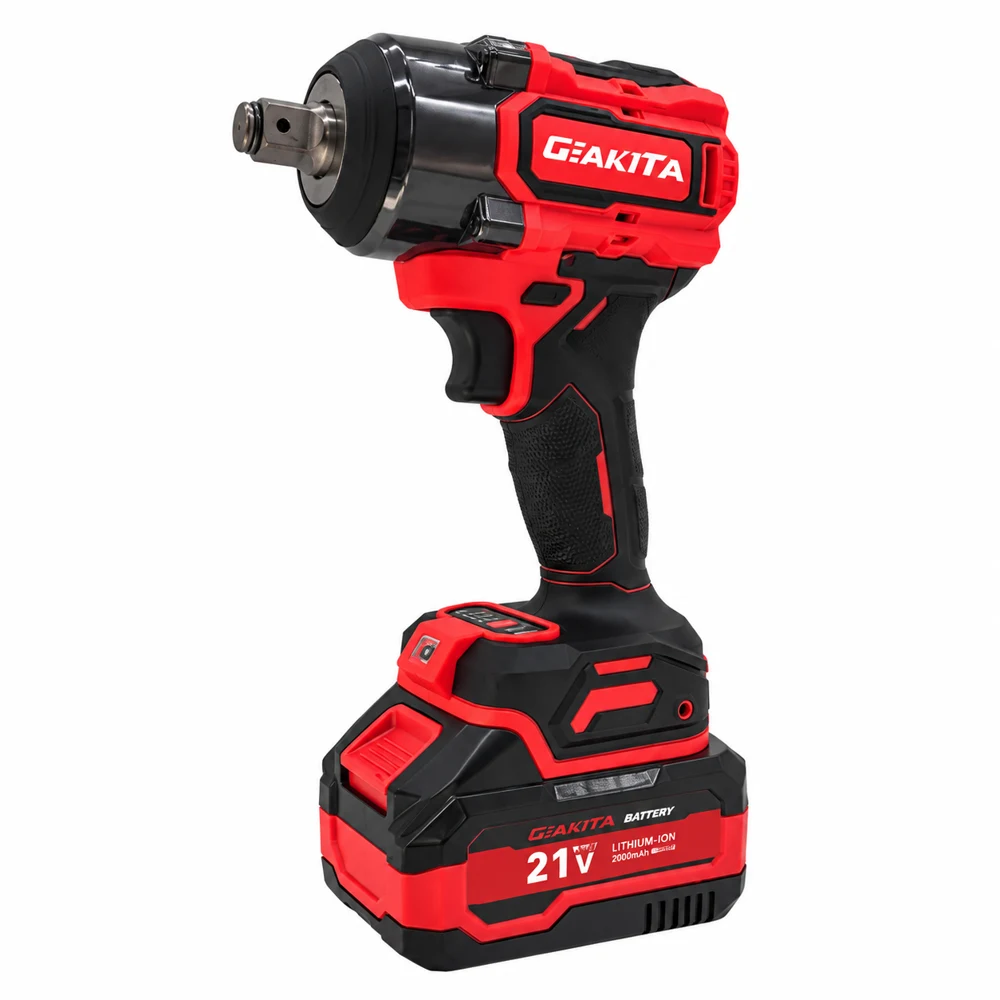
Automotive workshops, industrial maintenance and railway teams have different access and handling requirements. In addition to output, compare tool size, working weight, drive interface and accessory availability. For railway work, consider the operating position and whether a vertical wrench format is appropriate.
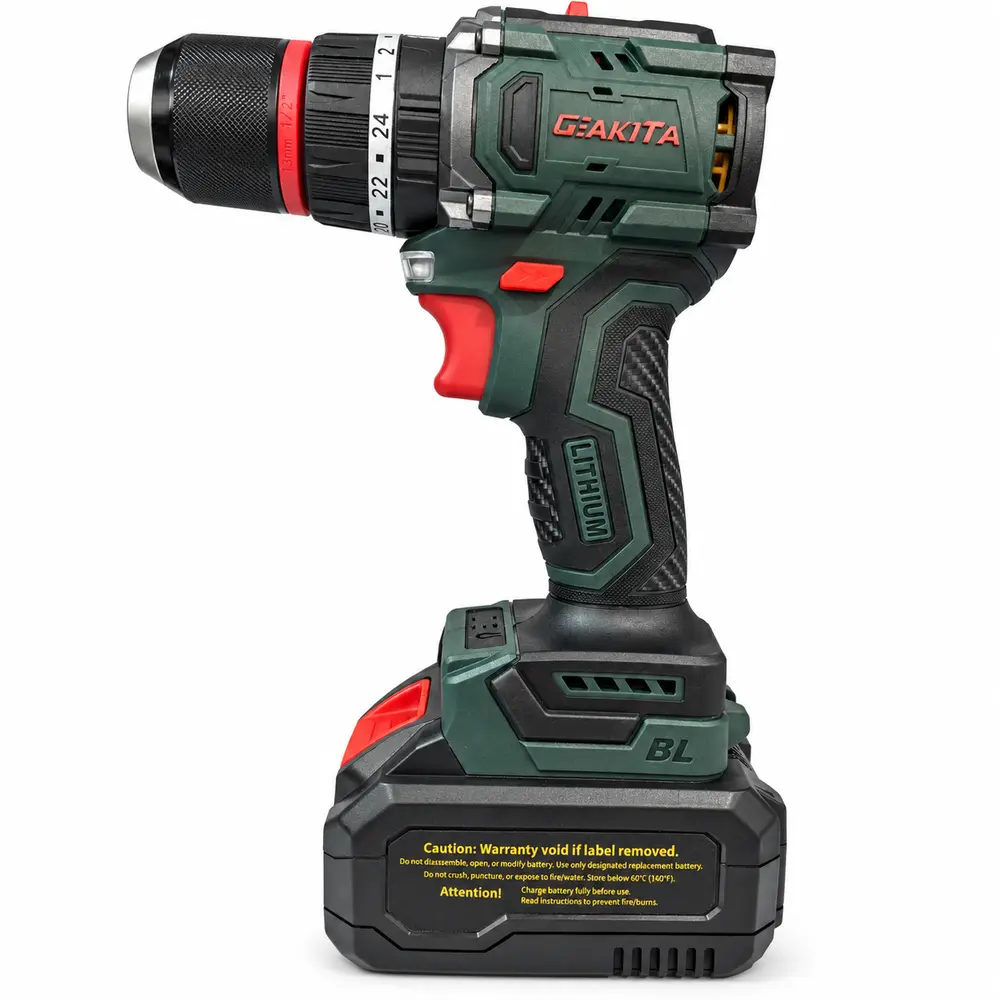
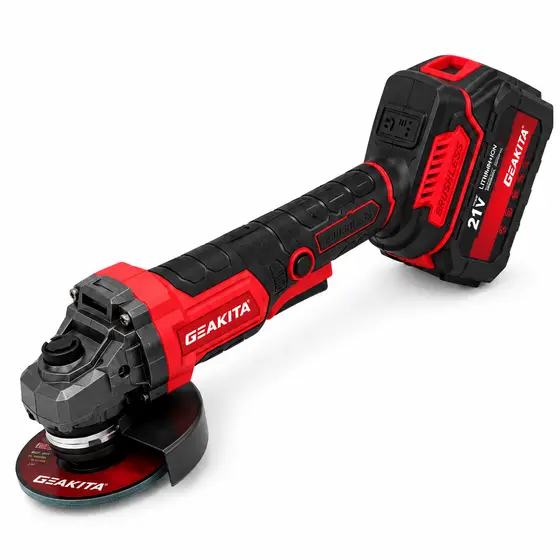
Use GEAKITA’s wrench range as the starting point for a model comparison. Confirm the role of each quoted torque value; do not infer that a model’s stated number guarantees removal of every seized or corroded fastener.
Control the final tightening process
Impact duration can affect achieved tightening torque. Where a specified joint torque must be met, follow the equipment procedure and verify it with an appropriate torque wrench or specified control method. The Bosch instructions linked below explicitly call for checking tightening torque with a torque wrench.
Agree the complete process with the responsible technician before a field trial. Include the intended socket and approved accessories in the evaluation, rather than assessing the bare tool alone.
Build a meaningful sample request
- Application, fastener and equipment specification.
- Tightening, removal or both.
- Required access and working position.
- Battery and accessory configuration.
- Documented test procedure and acceptance result.